

Brisbane, Queensland, Australia, April 22, 2026 ( Parliament Politics Magazine ) Australia energy security news is being shaped by a major policy push as Queensland commits new funding to biodiesel production to reduce reliance on imported fuel. The initiative, supported by state authorities and industry partners, aims to strengthen domestic supply chains while advancing renewable energy goals. Officials say the move is designed to improve resilience amid ongoing volatility in global fuel markets.
The program focuses on scaling production capacity, upgrading infrastructure, and linking agricultural inputs with refining operations. It also aligns with national priorities around energy independence and emissions reduction.
“This is about building a more secure and self-reliant energy system for Queensland and Australia,”
a government spokesperson said.
Investment Strategy Targets Supply Resilience
The new funding package signals a decisive step in Australia energy security news, emphasizing local production over import dependence. Queensland’s plan centers on expanding biodiesel output to ensure a stable and predictable fuel supply.
Key objectives include:
- Increasing domestic biodiesel capacity
- Reducing exposure to international price shocks
- Strengthening regional supply chains
By prioritizing local production, policymakers aim to limit disruptions tied to global shipping constraints and geopolitical risks.
Production Expansion and Infrastructure Upgrades
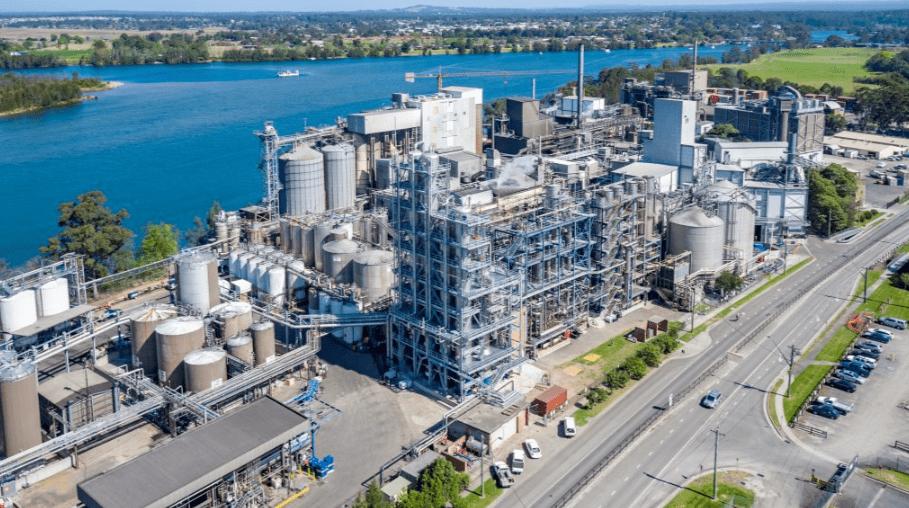
A core element of the initiative is the expansion of refining capacity and logistics networks. The program will modernize existing plants and support the construction of new facilities designed for higher efficiency and output.
Biodiesel—produced from renewable sources such as vegetable oils, used cooking oil, and animal fats—offers a practical pathway to diversify the fuel mix. The push is expected to raise production volumes and improve distribution across Queensland.
Officials note that scaling capacity will be critical to meeting demand while keeping costs competitive.
Economic Impact and Regional Jobs
The investment is expected to stimulate regional economies, particularly in agricultural areas that supply feedstock. Increased production activity will likely generate employment across multiple sectors, including farming, transport, and processing.
Anticipated benefits tied to Australia energy security news include:
- Job creation in rural communities
- Growth in agricultural supply chains
- New opportunities in manufacturing and logistics
“Regional economies stand to benefit significantly as supply chains expand and production ramps up,”
an industry representative said.

Reducing Dependence on Imported Fuel
Australia has historically relied on imported fuel, making it vulnerable to price spikes and supply interruptions. The Queensland initiative addresses this risk by building a stronger domestic base.
Through expanded biodiesel output, the state aims to:
- Stabilize fuel availability
- Reduce import reliance
- Improve price predictability
These measures are intended to insulate local markets from external shocks and enhance overall system reliability.
Environmental Goals and Emissions Reduction
The policy also supports broader climate objectives. Biodiesel produces lower lifecycle emissions than conventional diesel, contributing to national targets on carbon reduction.
Within the context of Australia energy security news, the environmental component includes:
- Lower greenhouse gas emissions
- Greater use of renewable feedstocks
- Support for circular economy practices
By converting waste oils and agricultural byproducts into fuel, the program reduces environmental impact while creating value.
Collaboration Across Industry and Research
Successful implementation will depend on collaboration between government agencies, private companies, and research institutions. Partnerships are being formed to improve processing technology, optimize feedstock supply, and enhance efficiency.
Focus areas include:
- Advanced refining techniques
- Supply chain integration
- Innovation in renewable fuels
These collaborations are expected to strengthen competitiveness and accelerate adoption across the sector.
Challenges Facing Expansion
Despite strong momentum, the initiative faces several hurdles. High capital costs, infrastructure requirements, and competition from fossil fuels remain key challenges.
Additional risks associated with Australia energy security news include:
- Volatility in feedstock prices
- Policy and regulatory shifts
- Market competition from traditional fuels
Addressing these factors will be essential to ensure long-term viability.
National Context and Global Trends
Queensland’s move reflects a wider global shift toward energy independence and renewable fuels. Governments worldwide are investing in alternatives to reduce reliance on imported oil and meet sustainability goals.
Australia’s approach positions it within this transition, with Queensland acting as a leading hub for biodiesel development.
Outlook for 2026 and Beyond
Analysts expect continued momentum as projects move from planning to execution. If supported by stable policy and market demand, biodiesel could become a larger component of Australia’s energy mix.
Within ongoing Australia energy security news, the outlook points to:
- Gradual scaling of production capacity
- Increased integration with existing fuel systems
- Continued investment in technology and infrastructure
“The long-term trajectory is positive, provided policy support and market conditions remain aligned,”
energy analysts noted.
What This Means for Australia
Queensland’s biodiesel initiative represents a strategic effort to enhance energy security, reduce reliance on imports, and support sustainable growth. By investing in renewable fuel production, the state is addressing both economic and environmental challenges.
The developments highlighted in Australia energy security news indicate a shift toward resilience and self-sufficiency. While challenges remain, the initiative offers a clear pathway for strengthening supply chains and supporting long-term energy stability.