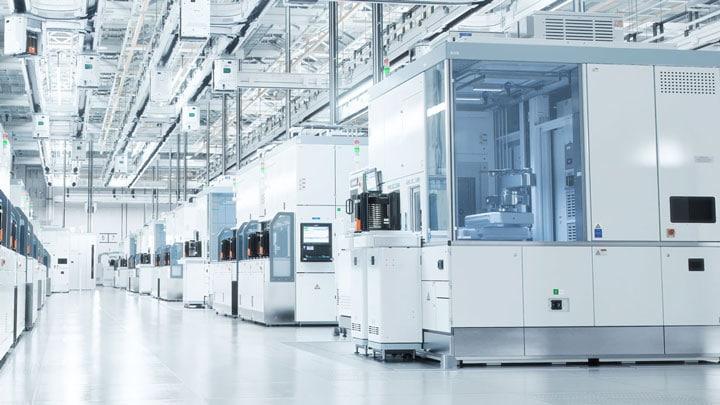
Amsterdam, Netherlands, April 23, 2026 ( Parliament Politics Magazine ) AI chip manufacturing trends are reshaping the semiconductor industry, as BE Semiconductor Industries (Besi) reported stronger first-quarter bookings driven by surging demand for hybrid bonding technology and advanced chip packaging solutions.
The latest update signals a broader transformation underway in global technology markets, where artificial intelligence is fueling investment across semiconductor manufacturing and infrastructure.
First-Quarter Growth Reflects Rising Industry Confidence
Besi confirmed that bookings increased during the first quarter, indicating renewed confidence among chipmakers investing in next-generation manufacturing technologies. The surge aligns closely with AI chip manufacturing trends, which are pushing companies to adopt more advanced and efficient production methods.
Hybrid bonding, a critical technology for high-performance chips, is seeing rapid adoption as manufacturers seek to improve speed, efficiency, and scalability in AI-driven applications.
An industry expert stated:
“AI chip manufacturing trends are fundamentally changing how semiconductors are built, and companies like Besi are benefiting from this transformation.”
AI Demand Driving Semiconductor Investment Cycle
The global expansion of artificial intelligence has triggered a new wave of semiconductor investment. From cloud computing to machine learning platforms, demand for powerful processors continues to rise.
AI chip manufacturing trends are influencing:
- Expansion of data centers worldwide
- Increased production of GPUs and AI accelerators
- Growth in high-bandwidth memory technologies
- Demand for energy-efficient chip architectures
These factors are contributing to stronger equipment orders, positioning companies like Besi at the center of the evolving semiconductor landscape.
Hybrid Bonding Technology Gains Momentum
Hybrid bonding technology is becoming essential in modern chip manufacturing. Unlike traditional packaging methods, it enables direct connections between chips, resulting in improved performance and reduced power consumption.
This innovation is particularly important for:
- AI processing units
- High-performance computing systems
- Advanced mobile devices
- Next-generation memory chips
As AI chip manufacturing trends continue to evolve, hybrid bonding is expected to play a central role in enabling future semiconductor designs.
Investor Sentiment Strengthens Around AI-Driven Growth
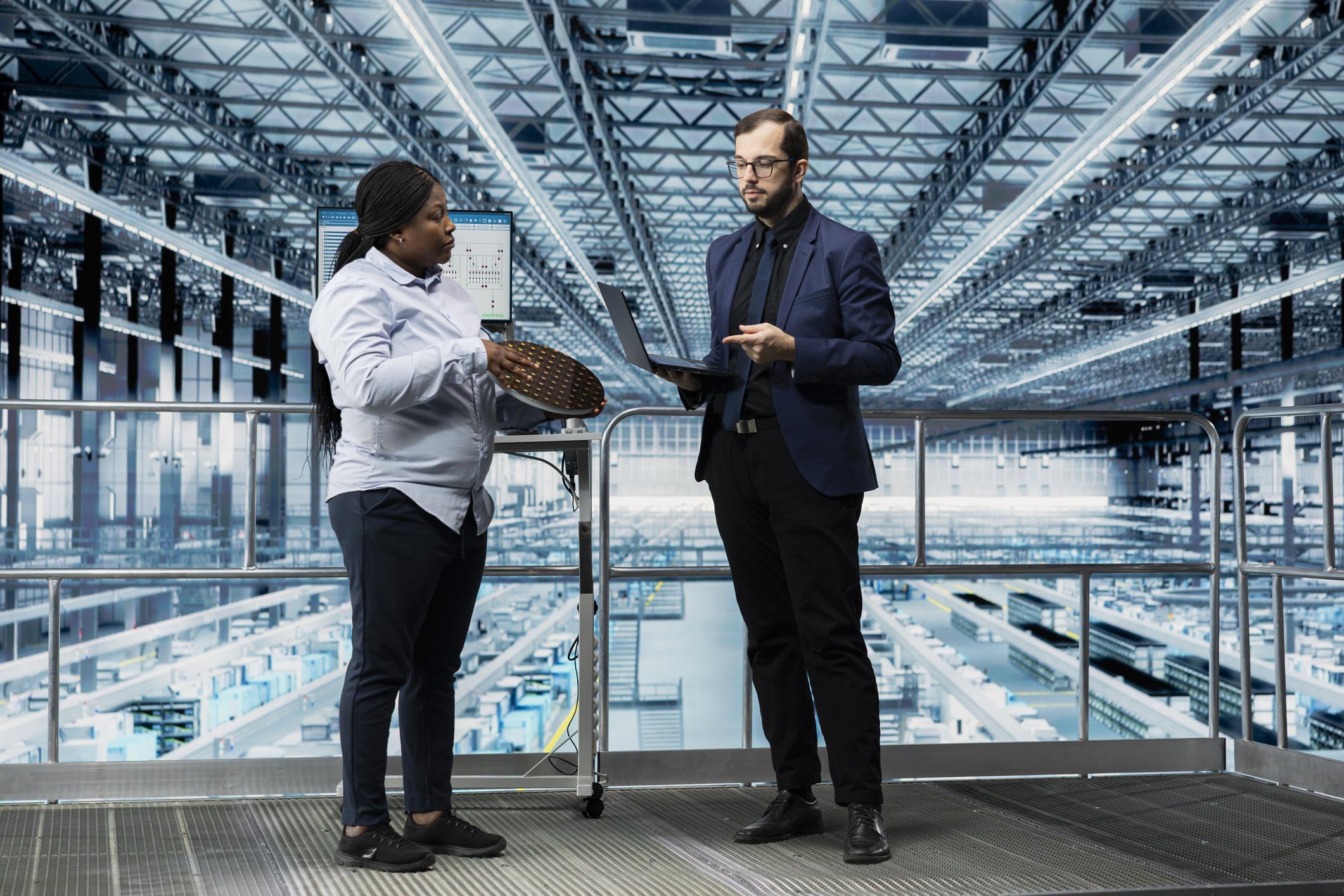
Financial markets have responded positively to Besi’s performance, with analysts highlighting the company’s strong positioning within AI-driven semiconductor trends.
AI chip manufacturing trends are now a key focus for investors, as they indicate sustained growth potential across the technology sector.
Market implications include:
- Increased capital spending in semiconductor manufacturing
- Strong demand for advanced packaging equipment
- Continued focus on innovation and efficiency
- Long-term growth opportunities tied to AI expansion
The positive outlook reflects growing confidence that AI will remain a major driver of semiconductor demand.
Global Trends Reinforce Industry Expansion
The semiconductor sector is experiencing structural changes as governments and corporations invest heavily in technology infrastructure. AI chip manufacturing trends are accelerating these developments, creating new opportunities for companies involved in advanced chip production.
Key global trends include:
- Expansion of semiconductor fabrication facilities
- Strategic investments in AI and automation
- Efforts to strengthen supply chain resilience
- Increased collaboration across technology ecosystems
Besi’s first-quarter results align with these trends, reinforcing its role in the future of semiconductor manufacturing.
Challenges in a Competitive Landscape
Despite strong growth, the semiconductor equipment industry remains highly competitive. Companies must continuously innovate to stay ahead in a rapidly evolving market.
Challenges include:
- Ongoing supply chain uncertainties
- Geopolitical factors affecting global trade
- Rapid technological advancements
- Competitive pricing pressures
However, AI chip manufacturing trends continue to provide a strong foundation for long-term industry growth.
Future Outlook: AI Continues to Shape the Market
Looking ahead, Besi expects continued momentum as AI adoption expands across industries. The company’s focus on hybrid bonding technology positions it to benefit from ongoing shifts in semiconductor manufacturing.
Industry projections suggest that AI chip manufacturing trends will drive:
- Increased adoption of advanced packaging solutions
- Higher demand for AI-specific chips
- Continued investment in semiconductor infrastructure
- Long-term growth across global technology markets
Besi remains well-positioned to capitalize on these developments as the industry evolves.
Key Takeaways
AI chip manufacturing trends are driving a major shift in the semiconductor industry, pushing demand for advanced technologies like hybrid bonding. Besi’s strong first-quarter bookings highlight this momentum, signaling continued growth as AI reshapes global technology markets.
With rising investment and innovation, the semiconductor sector is entering a new phase of expansion—one defined by AI-driven demand and next-generation manufacturing solutions.