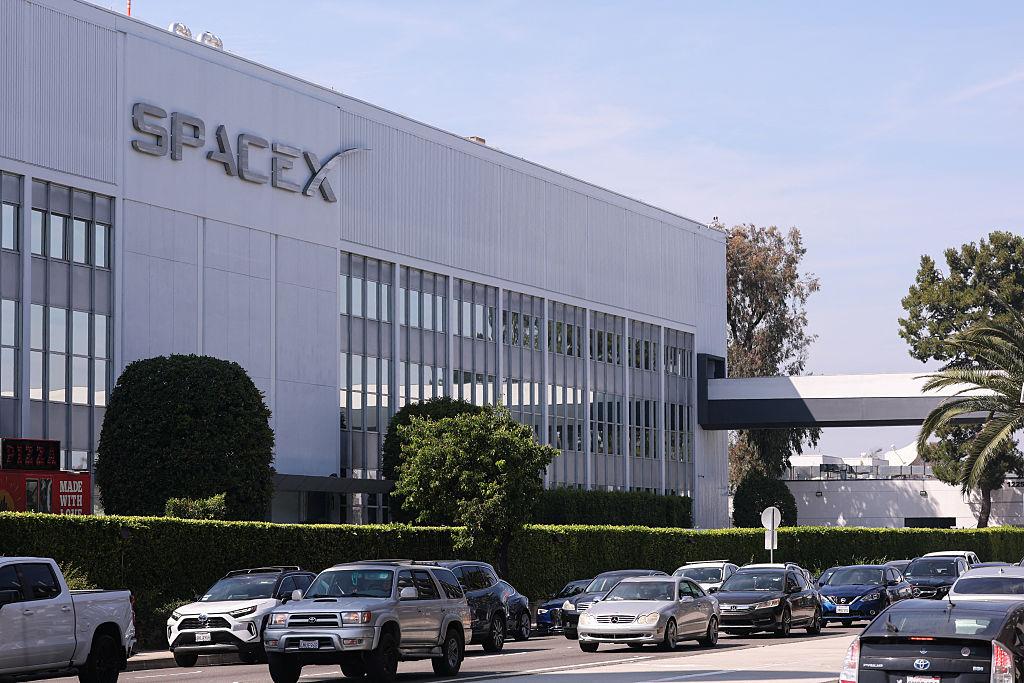
Hawthorne, California, April 25, 2026 (Parliament Politics Magazine) SpaceX AI investment strategy is becoming a defining element of the company’s evolution in 2026, as revenue generated by Starlink is increasingly used to fund large-scale artificial intelligence initiatives. The shift reflects a broader transformation across the global technology sector, where companies are prioritizing AI as a long-term growth driver despite the significant financial burden.
The move signals a calculated pivot by SpaceX, positioning itself not only as a leader in aerospace innovation but also as a contender in the rapidly expanding artificial intelligence landscape.
Starlink Profits Drive Strategic Expansion
Starlink has emerged as a powerful revenue engine, connecting millions of users worldwide and generating consistent cash flow. This financial strength has enabled the company to pursue ambitious projects beyond its original mission.
A notable portion of these profits is now being allocated to AI infrastructure, including advanced computing systems and machine learning platforms. The SpaceX AI investment strategy reflects a deliberate effort to reinvest earnings into future technologies that could redefine the company’s competitive position.
This approach mirrors a growing trend among major technology firms that are leveraging profitable divisions to fund high-risk, high-reward innovations.
Artificial Intelligence Moves to the Core of Operations
Artificial intelligence is rapidly becoming central to how SpaceX operates and plans for the future. The SpaceX AI investment strategy aims to integrate AI into satellite management, network optimization, and mission planning.
By embedding AI into its systems, SpaceX seeks to improve efficiency, reduce operational costs, and enhance service quality for Starlink users. These improvements could strengthen its position in the competitive satellite internet market.
A senior technology expert commented:
“SpaceX is building a foundation where artificial intelligence is not an add-on, but a core component of its operational ecosystem.”
Financial Demands Raise Industry Concerns
The cost of artificial intelligence development remains one of the most significant challenges. The SpaceX AI investment strategy requires substantial ongoing investment in hardware, energy, and talent.
Major cost factors include:
- High-performance computing infrastructure
- Energy consumption for data centers
- Continuous research and development
- Recruitment of specialized AI engineers
These expenses are prompting questions about sustainability, particularly if the return on investment takes longer than expected.
Another analyst noted:
“AI development at this scale is expensive and unpredictable. The key question is whether the long-term payoff will justify the current level of spending.”

Competitive Pressure Across the AI Sector
The SpaceX AI investment strategy places the company in direct competition with established technology leaders such as Google, Microsoft, and OpenAI.
Unlike these firms, SpaceX is leveraging a unique funding model, using Starlink revenue to finance its AI ambitions. While this provides flexibility, it also increases exposure to risk if the strategy does not deliver expected results.
The competitive landscape is intensifying as companies race to develop more advanced and scalable AI systems.
Operational Gains Through AI Integration
Despite the financial challenges, the SpaceX AI investment strategy is expected to deliver immediate operational benefits. AI-driven systems can enhance satellite coordination, improve data routing, and reduce network latency.
Key advantages include:
- More efficient satellite deployment
- Predictive maintenance capabilities
- Enhanced network performance
- Reduced downtime and operational disruptions
These improvements could lead to better service quality and increased customer satisfaction for Starlink users.
History of SpaceX Innovation Leading to AI Expansion
Since its inception, SpaceX has pursued bold and transformative goals. From developing reusable rockets to launching a global satellite network, the company has consistently demonstrated a willingness to invest heavily in innovation.
The SpaceX AI investment strategy represents the next phase in this evolution. By combining aerospace expertise with artificial intelligence, SpaceX is continuing its tradition of pushing technological boundaries.
This historical context underscores the company’s long-term vision and its commitment to shaping the future of technology.
Market Sentiment Remains Divided
Reactions to the SpaceX AI investment strategy are mixed across the financial and technology sectors. Some analysts view the move as a forward-thinking investment that could yield significant returns, while others express concern about the scale and pace of spending.
Investor sentiment is closely tied to the company’s ability to balance innovation with financial stability. The outcome of this strategy could influence broader market trends and investment decisions.
Long-Term Risks and Strategic Opportunities
The SpaceX AI investment strategy presents both opportunities and challenges. On one hand, successful AI integration could position SpaceX as a leader in next-generation technology. On the other hand, the financial risks are considerable.
Key risks include:
- Delayed returns on investment
- Increased competition in the AI sector
- Regulatory challenges
- High operational costs
However, the potential rewards include technological leadership and expanded market influence.
Future Outlook for SpaceX and AI
Looking ahead, the SpaceX AI investment strategy is expected to play a central role in the company’s growth. As artificial intelligence continues to evolve, SpaceX’s early investments could provide a competitive advantage.
The integration of AI with satellite technology may also have broader implications for global communication, scientific research, and commercial applications.
A technology strategist summarized the outlook:
“The companies that successfully integrate AI into their core operations will define the next era of innovation, and SpaceX is positioning itself to be one of them.”

AI Cash Burn Gamble: Can SpaceX Turn Starlink Profits into Future Power?
The SpaceX AI investment strategy signals a major turning point in how the company is driving growth and innovation in 2026. By channeling Starlink profits into artificial intelligence, SpaceX is making a bold bet on a future shaped by AI-powered space and communication systems. This aggressive push highlights both ambition and confidence in long-term technological leadership.
At the same time, the strategy brings rising costs and financial uncertainty that cannot be ignored. The balance between innovation and profitability will be critical as investments continue to grow. Market conditions and competition will play a decisive role in shaping outcomes.
Ultimately, the success of this strategy hinges on execution, timing, and the ability to turn AI investments into real-world advantages.