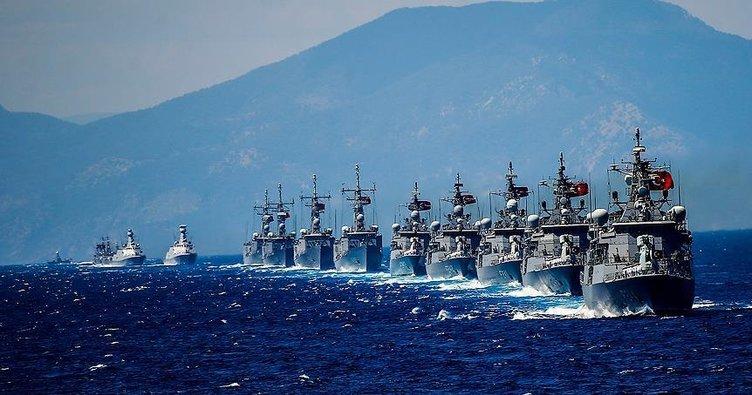
ANKARA, Turkey, April 25, 2026 (Parliament Politics Magazine) Turkey naval operations outlook is rapidly gaining strategic importance as Ankara signals potential involvement in maritime security efforts in the Strait of Hormuz following evolving diplomatic developments between Iran and the United States.
The discussion comes at a critical moment for global trade and energy flows. The Strait of Hormuz remains one of the most sensitive and strategically vital waterways in the world, carrying a substantial share of global oil shipments. Any shift in security dynamics within the region immediately draws international attention.
As tensions ease slightly amid diplomatic progress, Turkey is positioning itself as a possible contributor to stability, with officials indicating readiness to support demining and maritime safety initiatives if formal agreements are reached.
Strategic Relevance of Hormuz in Global Security
The Strait of Hormuz serves as a gateway between the Persian Gulf and international waters, making it indispensable for global energy distribution.
Its importance includes:
- Transport of significant global oil supply
- Critical role in international shipping lanes
- Influence on global energy pricing
The growing emphasis on the Turkey naval operations outlook reflects the urgent need to maintain uninterrupted navigation through this corridor.
“Securing maritime routes like Hormuz is essential for global economic stability,”
a regional security analyst stated.
Diplomatic Momentum Shapes Military Readiness
Recent diplomatic developments between Iran and the United States have opened the possibility for coordinated maritime security operations.
This includes:
- Potential agreements on navigation safety
- Reduced immediate military tensions
- Opportunities for multilateral cooperation
Turkey’s willingness to engage aligns with these developments, reinforcing its role as a regional actor capable of bridging diplomatic and military objectives.
The evolving situation continues to define the Turkey naval operations outlook, particularly in the context of international collaboration.
Naval Demining as a Strategic Priority
Demining operations are central to ensuring safe passage in contested waterways.
These operations involve:
- Detection of underwater explosives
- Neutralization of naval mines
- Continuous monitoring of maritime zones
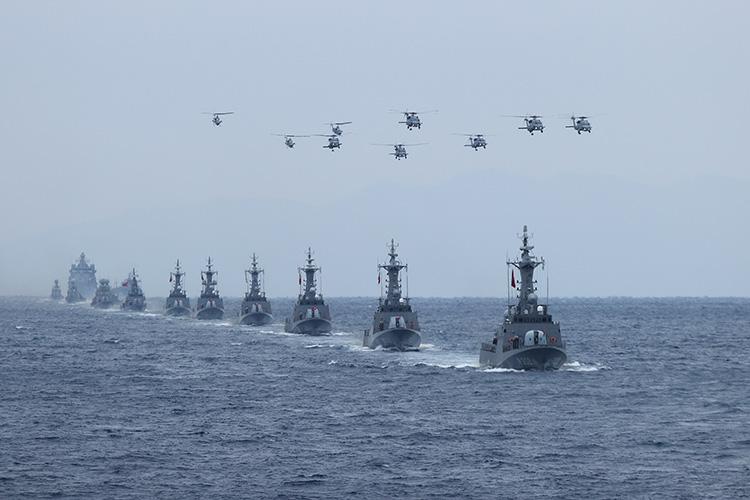
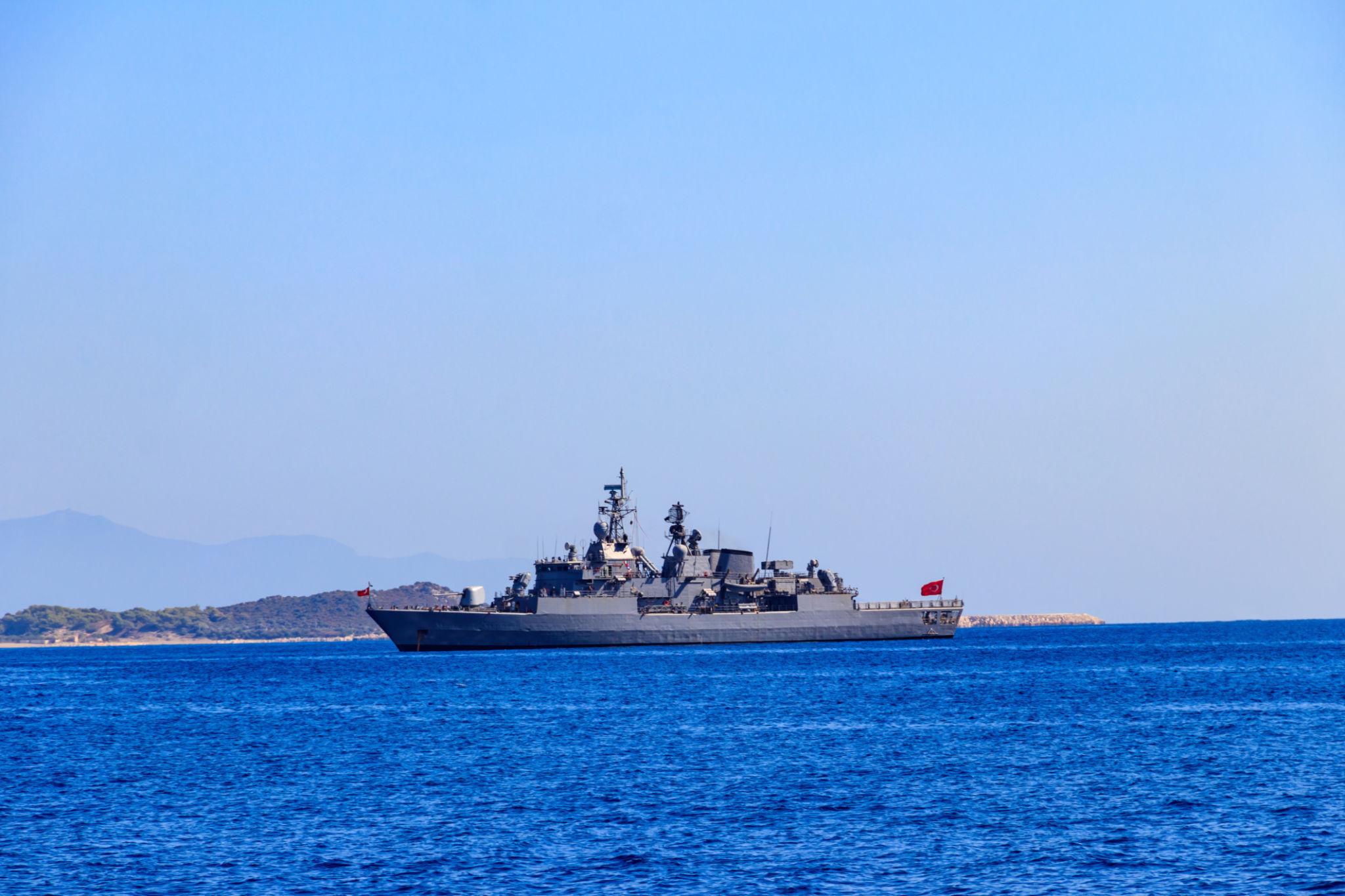
Turkey’s naval forces possess the technical capabilities and operational experience required for such missions.
Participation in these efforts would represent a significant expansion of the Turkey naval operations outlook, positioning the country as a key player in maritime security.
Energy Markets React to Security Signals
Global energy markets are highly sensitive to developments in the Strait of Hormuz.
Any indication of improved security can:
- Stabilize oil prices
- Reduce geopolitical risk premiums
- Enhance investor confidence
Conversely, uncertainty can trigger volatility and disrupt supply chains.
The Turkey naval operations outlook is therefore closely watched by financial markets and energy stakeholders worldwide.
Regional Cooperation and Strategic Alignment
Turkey’s potential involvement highlights a broader trend toward multilateral cooperation in addressing regional security challenges.
Key aspects include:
- Coordination with international naval forces
- Engagement with regional governments
- Alignment with global security frameworks
Such cooperation could contribute to long-term stability in the Middle East.
The Turkey naval operations outlook reflects Ankara’s strategic intent to play a more active role in global security initiatives.
Historical Context of Maritime Security in Hormuz
The Strait of Hormuz has long been a focal point of geopolitical tension.
Over the years, incidents involving naval confrontations and threats to shipping have underscored its vulnerability.
Countries have repeatedly deployed naval forces to safeguard the route, emphasizing its global importance.
The current developments build on this history, shaping a new chapter in the Turkey naval operations outlook.
Operational Challenges and Risk Factors
Despite the potential benefits, maritime security operations carry inherent risks.
Challenges include:
- Complex geopolitical dynamics
- High operational costs
- Safety risks for personnel
Effective coordination and planning are essential to mitigate these risks.
These factors remain critical considerations in shaping the Turkey naval operations outlook.
Technological Capabilities and Naval Strength
Modern naval operations rely heavily on advanced technology.
Turkey has invested in:
- Sophisticated sonar systems
- Autonomous underwater vehicles
- Enhanced surveillance capabilities
These advancements strengthen its ability to contribute effectively to maritime security missions.
Technology will play a decisive role in the evolution of the Turkey naval operations outlook.
Global Trade Implications
The stability of the Strait of Hormuz directly impacts global trade.
Secure shipping lanes ensure:
- Consistent energy supply
- Reliable trade routes
- Economic stability
Any disruption can have widespread consequences, affecting industries and economies worldwide.
The Turkey naval operations outlook is therefore closely linked to broader global economic interests.
Future Outlook and Strategic Positioning
Looking ahead, Turkey’s role in maritime security could expand significantly.
Factors influencing this include:
- Continued diplomatic progress
- International demand for stability
- Turkey’s strategic ambitions
The coming years will determine how the Turkey naval operations outlook evolves in response to these dynamics.
Key Takeaways
The Turkey naval operations outlook is gaining momentum as Ankara signals readiness to participate in securing the Strait of Hormuz following diplomatic developments between Iran and the United States.
The strategic importance of Hormuz makes maritime security efforts critical for global energy supply and trade stability.
Turkey’s involvement could enhance regional cooperation and strengthen global confidence, but operational challenges and geopolitical risks remain.