
Prime Minister Sir Keir Starmer finds himself yet again facing a bruising day in Parliament, over his decision to appoint disgraced peer Lord Mandelson to the role of US Ambassador.
The crisis will reach a fever pitch tomorrow, after the Speaker Lindsay Hoyle made the momentous ruling to grant a debate and a subsequent vote on whether to refer the matter to Parliament’s Privileges Committee.
In the dry, procedural language of the Commons, this is the equivalent of a Category 5 hurricane warning. By allowing the referral to the Privileges Committee: the very same body that eventually dismantled the political career of Boris Johnson: Hoyle has effectively signalled that the government’s explanations regarding “due process” are no longer being taken at face value.
For a Prime Minister who campaigned on the platform of restoring integrity to public life, being hauled before the same disciplinary tribunal that investigated Partygate is more than a mere irony; it is a profound existential threat to his “moral authority.”
At the heart of this storm lies a series of vetting “red flags” that were reportedly ignored or bypassed in the rush to install Mandelson in Washington. The investigation has uncovered a chaotic struggle within the heart of the civil service.
Sir Philip Barton, the former Permanent Under-Secretary at the Foreign, Commonwealth and Development Office, will given evidence to the foreign affairs committee in the morning. He is expected to provide evidence that paints a picture of a Downing Street obsessed with political expediency over security protocols.
It could be even more damaging than the testimony of Sir Olly Robbins, who told MPs last week that No 10 tried to pressure the Civil Service to rush the vetting process, and didn’t even see the need to carry out the checks. Suggesting the Prime Minister was so determined to appoint Lord Mandelson that all other considerations were secondary.
And in a fresh blow for the embattle Prime Minister, a devastating new YouGov poll shows, just 10 per cent of the electorate now believe that Keir Starmer is doing a “good” job as Prime Minister. Even among those who gave Labour a huge landslide in 2024, the number rises to just one in five. The results of this poll could not be worse for Labour, with local elections looming like a firing squad on the horizon. The mood in the tea rooms is described as “fevered,” a word that in Westminster usually translates to “imminent mutiny.”
Adding fuel to the fire are the persistent rumours of a “pact” between Angela Rayner and Andy Burnham. The former Deputy Prime Minister and the Mayor of Greater Manchester: the latter still technically outside the House but looming large over its northern contingent: are said to be coordinating their movements.
While both officially deny any such arrangement, the optics of their frequent joint appearances and the alignment of their policy critiques suggest a power base being prepared for a post-Starmer landscape. It is a classic pincer movement: the traditional socialist wing represented by Rayner and the regional powerhouse of the hugely popular Burnham, both positioning themselves as the “authentic” alternatives to a London-centric Blairite Mark 2 leadership that has become entangled in the very “sleaze” it promised to eradicate.
As the Commons prepares for the vote, the tension is palpable. If the referral to the Privileges Committee passes, which seems unlikely even with the level of unrest on the Labour benches, Keir Starmer will become the first sitting Prime Minister to be formally investigated by the body since its inception.
As Judgement Day looms, Sir Keir’s future now resides in the hands of his MPs, and they will have to balance the answer to two questions: would a new leader improve their prospects, and if a change is needed, when to make that change?
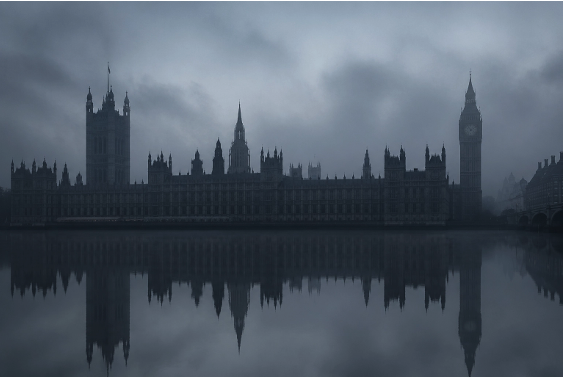
Judgment Day at Westminster? Starmer faces Privileges Committee vote tomorrow

5 mins read
Latest from Number 10
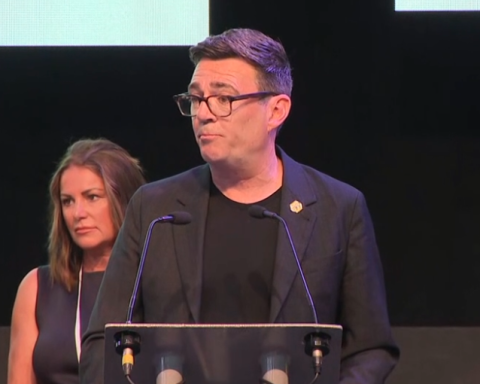
Andy Burnham will use a landmark address in Manchester later this morning to outline a radical
The Labour leadership battle took a decisive turn this morning as Darren Jones, the Chancellor of
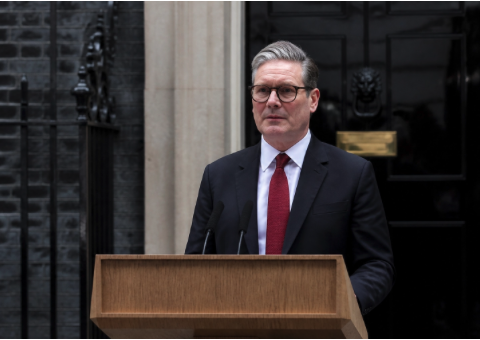
In a moment of profound political significance, a teary Sir Keir Starmer stood before the cameras

The stability of the Labour government has been dealt a severe blow following the dramatic resignation
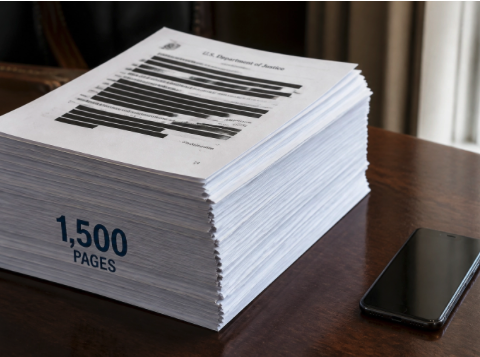
The release of the second tranche of the “Mandelson files” yesterday has sent ripples through Westminster,