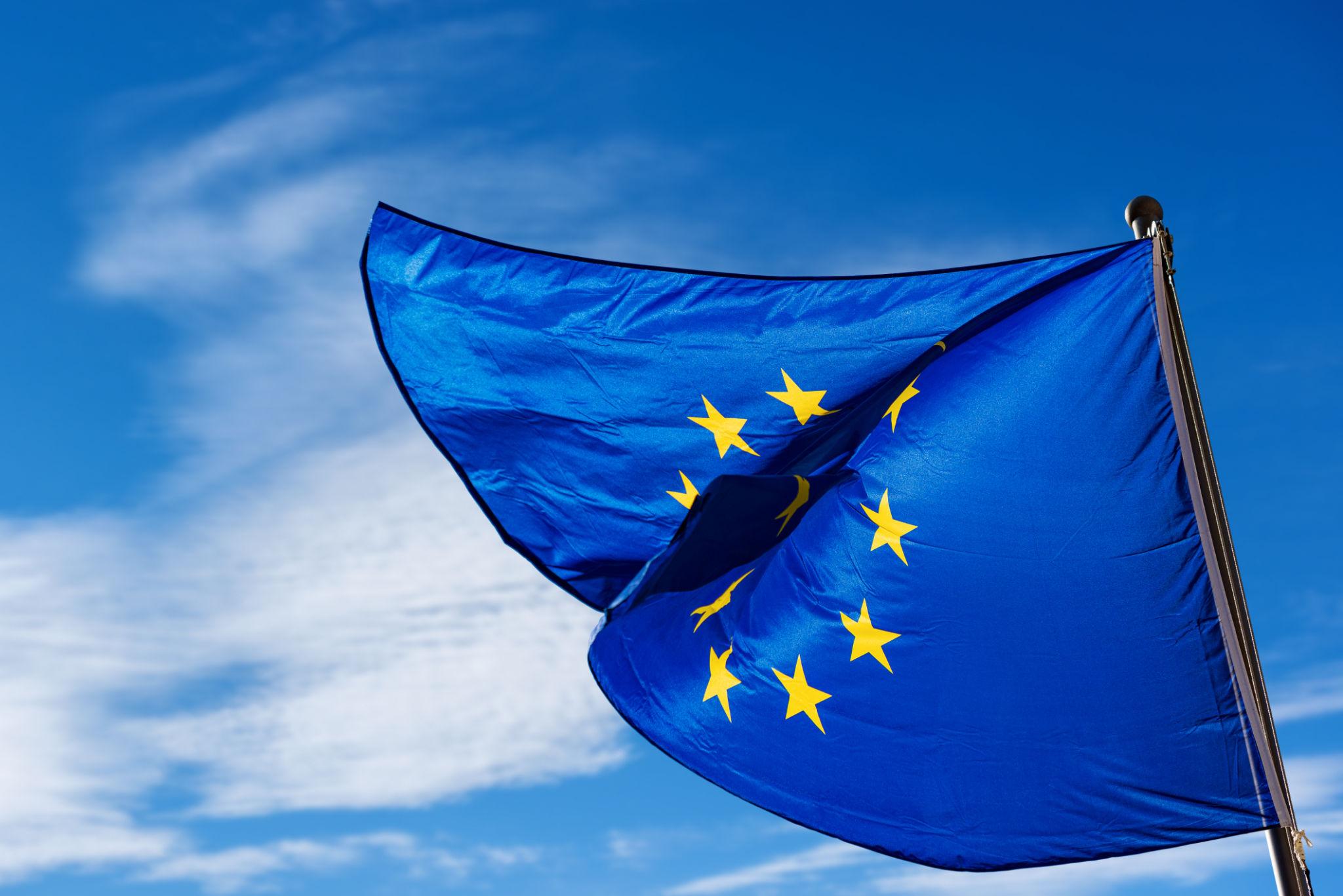
EU tech independence is accelerating as Germany avoids reliance on foreign defense software.
Security, sovereignty, and control are reshaping Europe’s technology decisions.
The move could redefine global defense partnerships and digital power balance.
Berlin, April 28, 2026 (Parliament Politics Magazine) EU tech independence takes center stage in Berlin, April 2026, as Germany’s military leadership signals reluctance to adopt software from Palantir Technologies, according to insights cited by Handelsblatt. The decision highlights a broader European shift toward digital sovereignty, reflecting concerns about reliance on non-European technology providers in critical defense infrastructure.
The development underscores increasing urgency across the European Union to build internal technological capabilities. Policymakers argue that control over data, software, and infrastructure is no longer optional but essential for long-term security and economic stability.
A senior European defense strategist stated,
“Control over technology is control over the future. Europe cannot afford dependency in critical systems.”
Strategic Direction Strengthens Digital Sovereignty Goals
The latest developments reinforce a growing commitment to internal capability building across the European Union. Governments are prioritizing investments in local technology ecosystems to reduce reliance on external vendors.
EU tech independence is becoming a central pillar of policy discussions, influencing decisions in defense, communications, and digital infrastructure. The approach emphasizes not only security but also economic resilience.
Experts note that this shift could lead to increased funding for European tech firms and research initiatives, driving innovation within the region.
Cybersecurity Risks Drive Policy Recalibration
Concerns over cybersecurity vulnerabilities are a key factor behind the push for autonomy. Defense systems require absolute reliability and transparency, making foreign-developed platforms a potential risk.
EU tech independence reflects a proactive strategy to mitigate these concerns by ensuring that systems can be fully controlled and audited within European jurisdictions.
A cybersecurity expert commented,
“Trust in technology is critical, especially in defense. Full visibility and control are non-negotiable.”
Defense Sector Decisions Influence Broader Policy Trends
Germany’s stance is expected to influence other European nations as they evaluate similar technologies. As one of the EU’s largest economies, Germany’s decisions often shape regional policy directions.
EU tech independence is likely to gain further traction as countries align their strategies to strengthen collective security and technological resilience.
The development also aligns with ongoing EU initiatives aimed at reducing dependency on external suppliers in strategic sectors.

Economic Implications for Technology Markets
The push for local solutions could reshape the European technology market. Companies based within the EU may benefit from increased demand and government support.
EU tech independence may also impact global tech firms seeking contracts in Europe, requiring them to adapt to stricter compliance and transparency standards.
Market analysts suggest that while short-term disruptions are possible, the long-term effect could be a more balanced and competitive technology ecosystem.
Industry Response and Innovation Opportunities
Technology companies are closely monitoring these developments. European firms may see new opportunities to expand their capabilities and compete on a global scale.
EU tech independence is expected to drive innovation, particularly in areas such as artificial intelligence, cybersecurity, and data analytics.
A technology executive noted,
“This is an opportunity for Europe to lead, not follow, in critical technology sectors.”
Balancing Innovation With Strategic Autonomy
While independence is a priority, policymakers must ensure that innovation continues at a competitive pace. Collaboration with global partners remains important, but it must be balanced with strategic control.
EU tech independence reflects an evolving approach that seeks to combine openness with security, allowing Europe to remain competitive while safeguarding its interests.
Historical Context of Europe’s Technology Sovereignty
The current shift builds on years of policy development aimed at strengthening Europe’s technological position. From data protection regulations to digital market reforms, the EU has consistently emphasized control and transparency.
EU tech independence represents the next phase in this evolution, focusing on critical infrastructure and defense systems where risks are highest.
Global Impact and Policy Influence
Europe’s approach could influence global technology policies. Other regions may adopt similar strategies to reduce reliance on dominant technology providers.
EU tech independence highlights a broader trend toward decentralization and diversification in the global technology landscape.
Key Facts and Developments
- Region: European Union
- Country Highlight: Germany
- City: Berlin
- Year: 2026
- Focus Keyword: EU tech independence
- Key Issue: Avoidance of foreign defense software
- Primary Concern: Cybersecurity and sovereignty
- Market Impact: Growth opportunities for EU tech firms
- Global Significance: Potential model for other regions
Key Takeaways: Europe’s Technology Strategy Shift
EU tech independence is reshaping how governments approach technology partnerships. By prioritizing sovereignty and security, Europe is redefining its role in the global digital economy.
The shift signals a move toward greater control over critical systems while fostering innovation within the region.

EU Tech Independence and Europe’s Defense Strategy Shift
EU tech independence is gaining momentum as Germany leads a cautious approach to foreign technology adoption in defense systems. The focus on sovereignty, cybersecurity, and internal capability building reflects a strategic shift across Europe.
As global competition intensifies, Europe’s decisions could influence how nations worldwide manage technology dependencies and security risks. The outcome will shape the future of digital power and international partnerships.