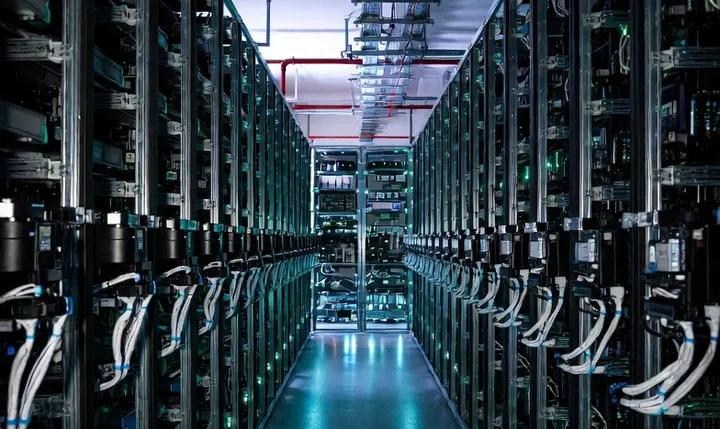
Samsung’s semiconductor profits are soaring as global demand for chips accelerates rapidly.
AI, cloud computing, and data infrastructure are driving unprecedented market expansion.
Experts warn that supply shortages could intensify by 2027, impacting global industries.
Brussels, Belgium, April 30, 2026 (Parliament Politics Magazine) Global chip demand surge is reshaping the semiconductor industry as Samsung Electronics reports a dramatic rise in chip profits, nearly 50-fold compared to previous periods. The sharp increase reflects accelerating demand across artificial intelligence, cloud computing, and high-performance electronics. Industry analysts warn that while current growth is strong, the imbalance between supply and demand could lead to worsening shortages by 2027, raising concerns across global markets.
Semiconductor Market Acceleration in 2026
- Global semiconductor market size: Over $600 billion
- AI chip demand growth: Exceeding 20% annually
- Memory chip price increases: Significant upward trend
- Data center expansion: Rapid global growth
- Expected supply shortage timeline: 2027 and beyond
This structured snapshot highlights how global chip demand surge is becoming a defining force in the global economy.
Profit Explosion Signals Industry Rebound
Samsung’s latest earnings reveal a powerful recovery in the semiconductor sector. After periods of weaker performance, the company has experienced a dramatic turnaround driven by rising chip prices and strong demand.
Global chip demand surge has played a critical role in this rebound, influencing:
- Higher revenue from memory chips
- Increased orders from technology firms
- Improved pricing power across product lines
- Reduced inventory pressure
A senior market strategist stated:
“This level of profit growth shows how quickly the semiconductor cycle can shift when demand accelerates.”
Artificial Intelligence Fuels Market Expansion
Artificial intelligence continues to transform the semiconductor industry. The rapid adoption of AI technologies requires advanced chips capable of handling complex computational tasks.
Global chip demand surge is largely driven by AI-related applications, including:
- Machine learning systems
- Autonomous technologies
- Cloud-based analytics platforms
- Real-time data processing
An industry analyst noted:
“AI is now the single biggest driver of semiconductor demand, and its influence will only grow stronger.”
Supply Constraints Raise Alarm for 2027
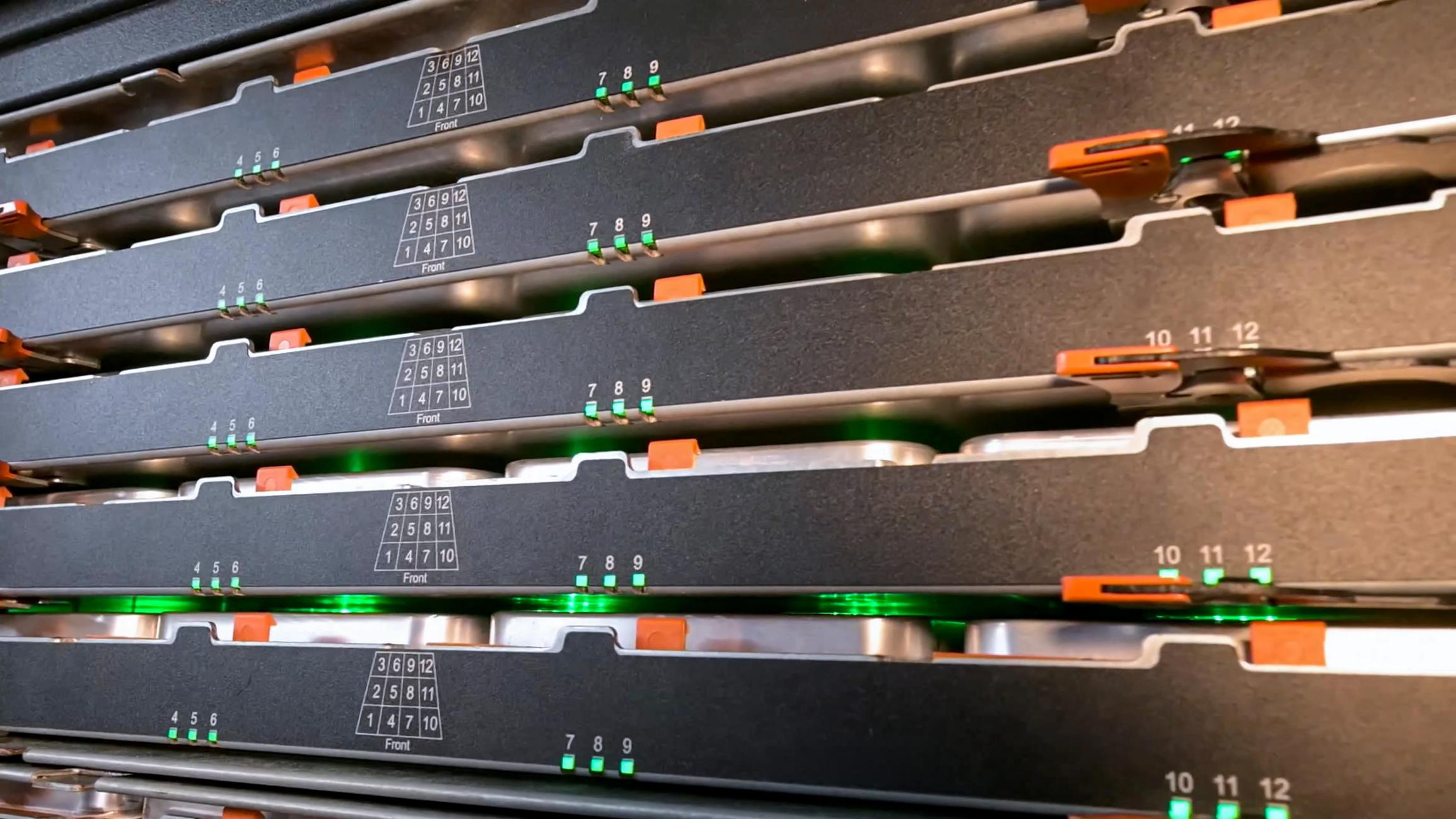
Despite strong current performance, the semiconductor industry faces significant challenges ahead. Production capacity is struggling to keep up with accelerating demand.
Global chip demand surge is expected to outpace supply, leading to potential shortages. Key factors include:
- Limited fabrication capacity
- High costs of advanced manufacturing
- Supply chain disruptions
- Competition for raw materials
An expert warned:
“If capacity expansion does not keep pace, the industry could face a severe supply crunch by 2027.”
Memory Chip Prices Drive Revenue Growth
The surge in memory chip prices has been a major contributor to Samsung’s profit growth. As demand increases, prices have risen significantly, boosting revenue.
Global chip demand surge has influenced:
- Rising DRAM prices
- Increased NAND flash demand
- Strong data center orders
- Improved inventory management
These factors have helped Samsung achieve exceptional financial performance.
Competitive Dynamics Intensify
The semiconductor market is becoming increasingly competitive as companies race to expand production and develop new technologies.
Global chip demand surge is intensifying competition among major players, leading to:
- Increased investment in research and development
- Expansion of manufacturing facilities
- Strategic partnerships and collaborations
- Rapid technological innovation
The competition is expected to shape the future of the industry.
Economic and Geopolitical Impact
The semiconductor industry plays a critical role in global economic stability. Governments are investing heavily in domestic chip production to reduce reliance on foreign suppliers.
Global chip demand surge is influencing:
- National security strategies
- Trade policies and regulations
- Technological independence
- Global supply chain resilience
These developments highlight the strategic importance of semiconductor manufacturing.
History of Semiconductor Demand Growth
The history of semiconductor demand reflects decades of technological advancement. From early integrated circuits to today’s AI-driven chips, the industry has continuously evolved.
Key milestones include:
- 1970s–1980s: Introduction of integrated circuits
- 1990s: Expansion of personal computing
- 2000s: Growth of mobile technology
- 2020s: Rise of AI and data-driven systems
Global chip demand surge represents the latest phase in this ongoing evolution.
Risks and Market Volatility
Despite strong growth, the semiconductor industry remains highly volatile. External factors can significantly impact market performance.
Global chip demand surge could face challenges from:
- Economic downturns
- Geopolitical tensions
- Supply chain disruptions
- Rapid technological changes
Companies must navigate these risks carefully to sustain growth.
Future Outlook: A Defining Moment for the Industry
The semiconductor industry is expected to continue expanding as demand for advanced technologies grows. Samsung’s strong performance positions it as a key player in this evolving landscape.
Global chip demand surge will shape:
- Technological innovation
- Market leadership
- Global economic trends
- Industry competition
The coming years are likely to determine the future direction of the semiconductor sector.
What This Means for the Global Chip Market in 2026
Samsung’s profit surge highlights the strength of current demand, but also underscores the challenges ahead. As production struggles to keep pace, the risk of shortages increases.
Global chip demand surge is expected to remain a dominant force, influencing both opportunities and risks across the industry.

The Big Picture Behind Samsung’s Profit Surge
Samsung’s chip profits have surged nearly 50-fold, driven by unprecedented global demand for semiconductors. While the growth signals strong market recovery, experts warn that supply shortages could worsen by 2027. As AI and data infrastructure continue to expand, the semiconductor industry faces both significant opportunities and critical challenges.