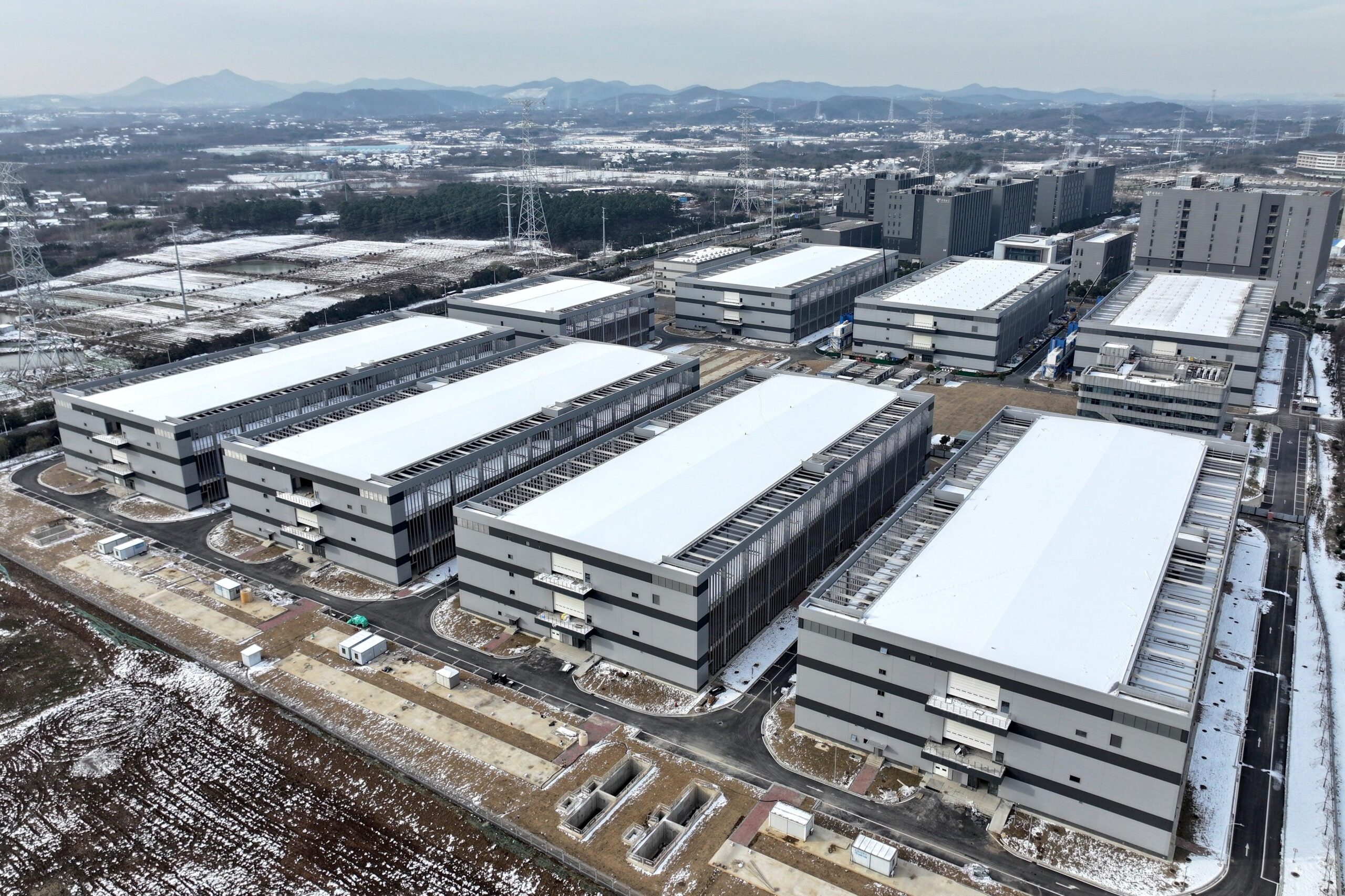
China’s AI infrastructure faces rising costs as demand for advanced chips surges.
Nvidia server prices reportedly hit $1 million amid global supply constraints.
Experts warn that 2026 could redefine the global AI technology landscape.
Beijing, China, April 30, 2026 (Parliament Politics Magazine) China AI infrastructure is under increasing pressure as prices for high-performance servers reportedly surge to unprecedented levels, with Nvidia systems reaching as high as $1 million. The rising costs reflect a combination of strong domestic demand and tightening global supply conditions, particularly influenced by U.S. export restrictions on advanced semiconductor technologies. These developments are reshaping how China approaches artificial intelligence deployment and long-term technology strategy.
China AI Infrastructure in 2026
- AI infrastructure investment: Rapid growth across sectors
- High-performance server pricing: Reaching record levels
- Data center expansion: Accelerating nationwide
- Semiconductor supply constraints: Increasing impact
- AI adoption rate: Expanding across industries
This structured data highlights the growing importance of China AI infrastructure in the global technology ecosystem.
Rising Costs Reflect Supply and Demand Imbalance
The surge in server prices highlights a significant imbalance between supply and demand. As access to advanced hardware becomes more limited, costs are rising sharply.
China AI infrastructure is being affected by:
- Limited availability of advanced GPUs
- Strong demand from AI-driven industries
- Increased reliance on high-performance computing
- Supply chain disruptions
A market analyst stated:
“When supply tightens and demand accelerates, pricing pressures become inevitable, especially in strategic sectors like AI.”
US Export Controls Reshape Market Dynamics
U.S. export restrictions on advanced semiconductor technologies have played a major role in shaping the current market environment. These policies are limiting access to critical hardware.
China AI infrastructure is adapting to:
- Reduced availability of high-end chips
- Increased demand for alternative solutions
- Development of domestic semiconductor capabilities
- Rising costs of imported technology
An industry expert noted:
“Export controls are accelerating innovation in some areas while creating bottlenecks in others.”
AI Demand Continues to Accelerate
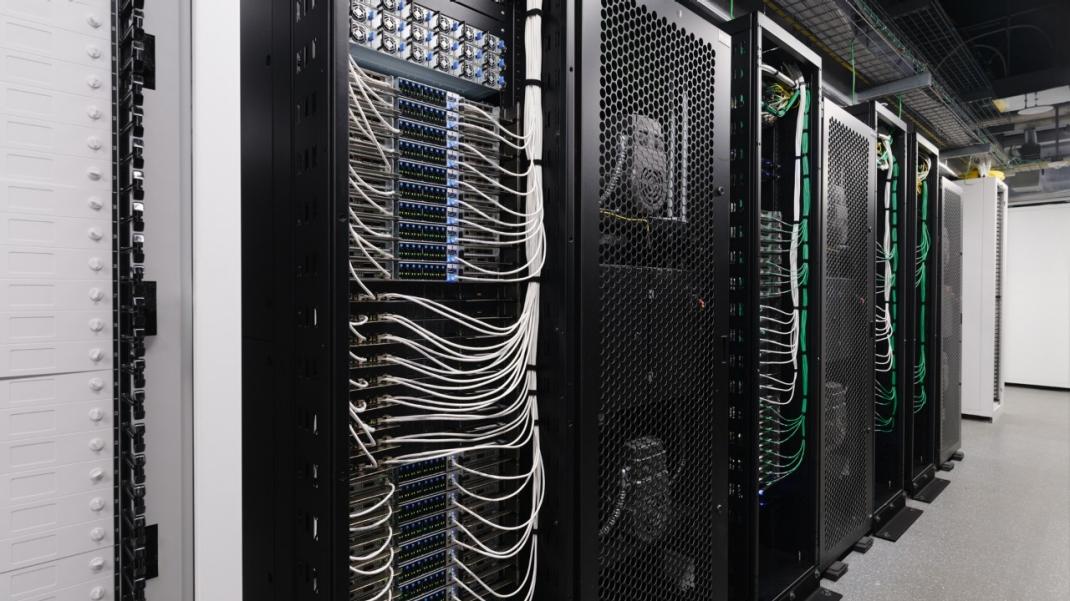
Artificial intelligence remains a major driver of demand for advanced computing infrastructure. Businesses and governments are investing heavily in AI capabilities.
China AI infrastructure is expanding due to:
- Growth in machine learning applications
- Increased data processing requirements
- Expansion of cloud computing platforms
- Development of autonomous technologies
These factors are contributing to sustained demand for high-performance servers.
Impact on China’s Technology Sector
The rising cost of AI infrastructure is having a significant impact on China’s technology sector. Companies are facing higher expenses and operational challenges.
China AI infrastructure is influencing:
- AI research and development
- Data center expansion strategies
- Innovation timelines
- Competitive positioning of firms
These changes could affect the pace of technological advancement.
Global Supply Chain Implications
The semiconductor supply chain is interconnected, and disruptions can have far-reaching consequences. Rising prices and restricted access are affecting global markets.
China AI infrastructure highlights:
- Vulnerabilities in supply chains
- Need for diversification
- Increased investment in domestic production
- Strategic importance of semiconductor independence
The situation underscores the global nature of the semiconductor industry.
Competitive Landscape and Strategic Shifts
As costs rise, companies are exploring alternative strategies to remain competitive. This includes developing new technologies and forming strategic partnerships.
China AI infrastructure is driving:
- Innovation in domestic chip development
- Expansion of local manufacturing capabilities
- Increased collaboration within the tech sector
- Adaptation to changing market conditions
These shifts are reshaping the competitive landscape.
History of AI Infrastructure Development
The development of AI infrastructure has evolved significantly over time. Early systems were limited in capability, but advancements in computing power have transformed the industry.
Key milestones include:
- Early computing systems in the 1980s
- Growth of data centers in the 1990s
- Expansion of cloud computing in the 2000s
- Rise of AI-driven infrastructure in the 2020s
This history illustrates how China AI infrastructure has become a critical component of modern technology.
Risks and Challenges Ahead
Despite strong demand, the AI infrastructure market faces several challenges. Companies must navigate a complex and evolving environment.
China AI infrastructure could be impacted by:
- Geopolitical tensions
- Supply chain disruptions
- Regulatory changes
- Rapid technological shifts
A senior analyst commented:
“Balancing growth with stability will be essential for long-term success in AI infrastructure.”
Future Outlook for 2026 and Beyond
The outlook for AI infrastructure remains strong, with continued investment expected across industries. However, supply constraints and rising costs present challenges.
China AI infrastructure will shape:
- Technological innovation
- Market competition
- Global economic trends
- Industry leadership
The coming years are likely to see significant developments in this sector.
What This Means for the Global AI Market in 2026
The rising costs of AI infrastructure reflect broader trends in the global technology market. As demand continues to grow, supply constraints could shape the industry’s future.
China AI infrastructure remains a key factor influencing global technology dynamics.
What This Means for China AI Infrastructure in 2026
China AI infrastructure is facing rising costs as demand for advanced computing systems surges and supply remains constrained. With Nvidia server prices reportedly reaching $1 million, the situation highlights the growing impact of geopolitical tensions on the semiconductor industry. As AI adoption accelerates, China’s ability to adapt will play a crucial role in shaping the future of global technology.