
Global innovation rivalry is intensifying as a convicted former Harvard scientist rebuilds a brain-computer lab in China.
The move highlights rising competition in advanced research, talent migration, and national technology strategies.
Experts warn the shift could reshape global leadership in neuroscience and artificial intelligence.
Beijing, China, April 30, 2026 (Parliament Politics Magazine) global innovation rivalry is entering a new phase as a convicted former Harvard scientist re-establishes a brain-computer interface laboratory in China, signaling a significant shift in the global balance of advanced scientific research and technological competition.
The development is drawing attention from policymakers, academic institutions, and technology leaders worldwide, raising questions about research security, talent mobility, and the future direction of cutting-edge innovation.
A Controversial Return to Advanced Scientific Research
The scientist, previously affiliated with Harvard University, had been convicted in the United States in connection with violations tied to research disclosure and international collaboration policies. Following the legal proceedings, the individual lost their academic standing in the U.S., effectively ending their role within one of the world’s leading research institutions.
Now, the re-emergence of this figure in China underscores how global innovation rivalry can reshape career trajectories and redefine opportunities across borders.
While the specifics of the new laboratory remain limited, early indications suggest that it is equipped with advanced infrastructure capable of supporting high-level research in brain-computer interfaces (BCI).
China’s Strategic Expansion in High-Tech Research
China has steadily expanded its investment in high-tech sectors, including artificial intelligence, neuroscience, and semiconductor technologies. The rebuilding of a brain-computer lab by a convicted former Harvard scientist aligns with national priorities to accelerate domestic innovation capabilities.
The presence of experienced researchers within China’s ecosystem is seen as a key factor in strengthening its position in global innovation rivalry.
“Scientific talent is now one of the most valuable assets in the global competition for technological leadership,”
said a senior policy analyst.
This approach reflects a broader trend in which nations actively compete to attract top-tier expertise, regardless of previous affiliations.
Brain-Computer Interface Technology Gains Strategic Importance
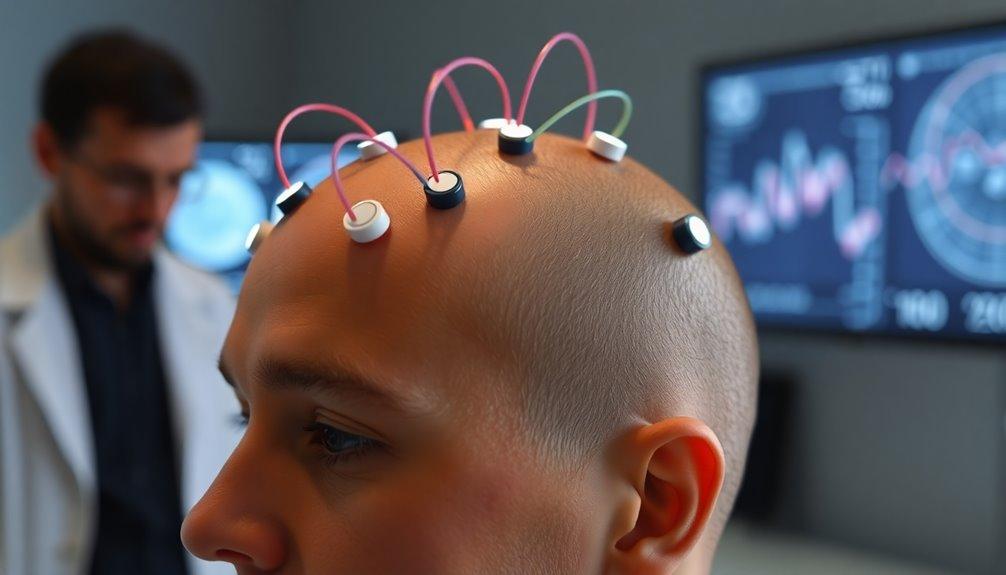
Brain-computer interface technology is at the center of this evolving landscape. By enabling direct communication between the human brain and machines, BCI systems have applications ranging from healthcare to defense and advanced computing.
As global innovation rivalry intensifies, the development of such technologies has become a strategic priority for governments and private sector organizations alike.
The newly established lab in China is expected to contribute to advancements in neural signal processing, machine learning integration, and real-time cognitive interaction systems.
Concerns Over Research Governance and Oversight
The relocation of a convicted scientist into a sensitive research field has sparked debate about governance and oversight standards. Critics argue that inconsistencies in regulatory frameworks could create vulnerabilities in how advanced technologies are developed and managed.
Supporters, however, emphasize that innovation thrives on open collaboration and that restricting talent mobility could hinder scientific progress.
“Balancing security and innovation is one of the defining challenges of modern research ecosystems,”
noted a global ethics specialist.
This tension is central to the broader discussion surrounding global innovation rivalry.
Impact on International Collaboration
The case may influence how institutions approach international partnerships. Increased scrutiny of cross-border research collaborations could lead to stricter compliance requirements and reduced openness in certain fields.
At the same time, global challenges such as healthcare and climate change still require collaborative solutions, making complete isolation unlikely.
The evolving nature of global innovation rivalry suggests that future collaboration models may become more selective and strategically aligned.
Economic and Market Implications
The rebuilding of advanced research capabilities in China has broader economic implications. It could accelerate innovation cycles, attract investment, and strengthen the country’s position in high-value technology markets.
For other nations, the development serves as a reminder of the importance of maintaining competitive research environments to retain talent and leadership in key sectors.
Companies involved in AI, healthcare technology, and advanced computing are closely monitoring developments, as they could influence future market dynamics.
Technology Competition Between Global Powers
The situation reflects a larger narrative in which major global powers are competing for dominance in emerging technologies. From semiconductors to artificial intelligence, the race to lead innovation is shaping policy decisions and economic strategies.
Global innovation rivalry is no longer limited to corporate competition—it has become a central element of national strategy.
This shift is evident in increased funding for research, tighter export controls, and efforts to build self-sufficient technology ecosystems.
Historical Context: The Evolution of Global Innovation Rivalry
The current global innovation rivalry has roots in decades of technological competition. From the space race to the digital revolution, nations have long recognized the strategic importance of innovation.
In recent years, the focus has shifted toward artificial intelligence, biotechnology, and advanced computing. The movement of talent across borders has played a critical role in shaping these developments.
The case of a convicted former Harvard scientist rebuilding a lab in China highlights how historical patterns continue to influence modern dynamics.
Policy Responses and Future Strategies
Governments are likely to respond to these developments by reassessing policies related to research oversight, intellectual property protection, and international collaboration.
Potential strategies may include:
- Strengthening compliance frameworks
- Increasing investment in domestic research programs
- Enhancing transparency in academic partnerships
These measures aim to balance the need for security with the benefits of open innovation.
The Role of Talent Mobility in Innovation
Talent mobility remains a defining factor in global innovation rivalry. The ability of researchers to move between countries and institutions can accelerate knowledge transfer and drive technological progress.
However, it also raises questions about accountability, ethics, and the distribution of intellectual capital.
The current case illustrates both the opportunities and challenges associated with this dynamic.
Future Outlook: A More Competitive Innovation Landscape
Looking ahead, global innovation rivalry is expected to intensify as countries continue to invest in advanced technologies. The competition for leadership in fields such as AI and neuroscience will likely shape economic and geopolitical trends for years to come.
The rebuilding of a brain-computer lab in China is just one example of how rapidly the landscape can evolve.

Key Developments
- Location: Beijing, China
- Year: 2026
- Sector: Brain-computer interface technology
- Key Event: Convicted former Harvard scientist establishes new lab
- Primary Concern: Research oversight and talent migration
- Strategic Impact: Strengthening China’s innovation capabilities
- Global Effect: Intensified competition in advanced technologies
Global Innovation Rivalry: Key Takeaways and Future Outlook
Global innovation rivalry is intensifying as a convicted former Harvard scientist rebuilds a brain-computer lab in China, raising questions about research governance, talent mobility, and global competition. The development highlights shifting dynamics in advanced technology leadership and underscores the growing importance of innovation as a strategic asset in today’s interconnected world.