
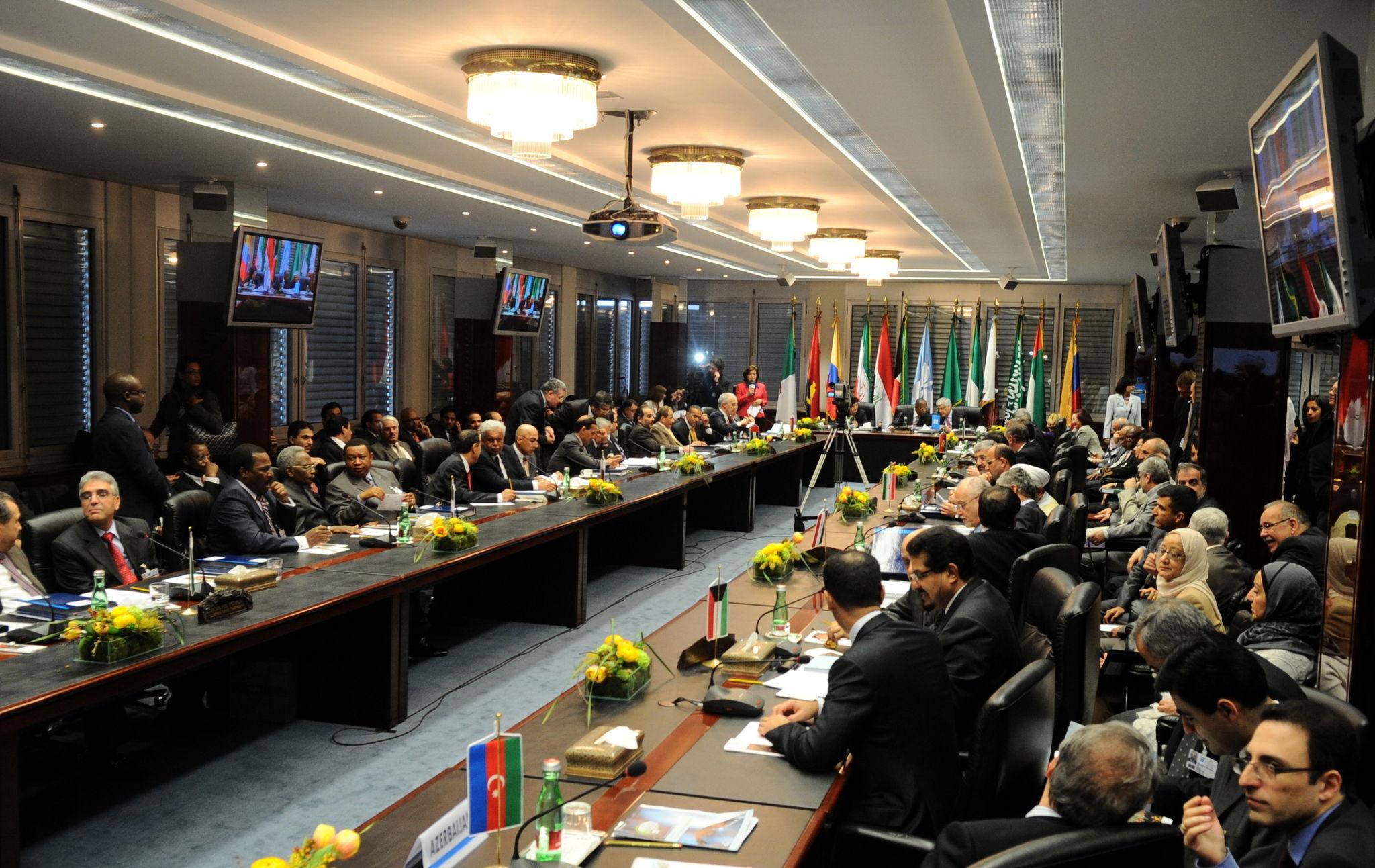
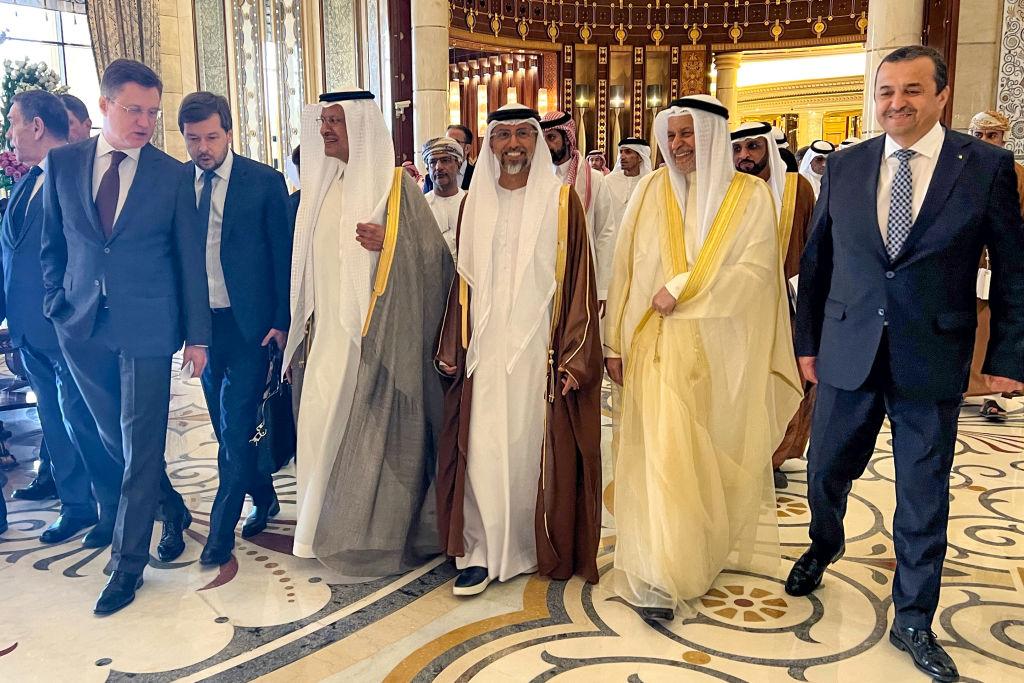
Vienna, Austria, May 3, 2026 (Parliament Politics Magazine) Saudi Arabia oil policy is at the center of global attention as OPEC+ members convene in Vienna to determine new production quotas following the exit of the United Arab Emirates. The high-level meeting marks a pivotal moment for global energy markets, with Saudi Arabia expected to play a decisive role in shaping supply strategy for the remainder of 2026.
Energy analysts and investors are closely monitoring the outcome, as decisions made during this meeting could directly impact oil prices, inflation trends, and economic stability worldwide. The shift in alliance dynamics has elevated the importance of Saudi leadership within the group.
“Saudi Arabia now holds even greater influence over market direction after the UAE’s departure,”
one senior energy analyst said.
Saudi Arabia Oil Policy Shift 2026
Location: Vienna
Date: May 3, 2026
Focus: Saudi Arabia oil policy
Event: OPEC+ quota-setting meeting
Trigger: UAE exit from oil alliance
Key Player: Saudi Arabia
Main Issue: Global oil supply balance
Market Risk: Price volatility
Primary Outcome Expected: New production quotas
Global Impact: Energy prices, inflation, economic outlook
Saudi leadership takes center stage in quota negotiations
As the largest oil exporter within OPEC+, Saudi Arabia is expected to lead discussions on how to rebalance production quotas. The Saudi Arabia oil policy approach has historically focused on maintaining market stability through controlled output adjustments.
With the UAE stepping away from coordinated agreements, Saudi Arabia’s role becomes even more critical. Delegates are expected to explore options for redistributing production targets while maintaining price equilibrium.
The current Saudi Arabia oil policy emphasizes a cautious approach, balancing supply with global demand forecasts to avoid extreme volatility.
Market volatility increases ahead of quota decisions
Oil markets have reacted cautiously to uncertainty surrounding the meeting. Price fluctuations reflect investor concerns about potential supply imbalances as OPEC+ navigates a new phase.
The Saudi Arabia oil policy direction will likely determine whether prices stabilize or continue to experience short-term volatility. Traders are particularly sensitive to signals regarding production increases or cuts.
“Markets are looking for clarity, and Saudi Arabia’s stance will define expectations,”
a commodities strategist explained.
Global supply-demand balance under pressure
One of the key challenges facing OPEC+ is aligning output levels with evolving global demand. Economic recovery patterns, geopolitical tensions, and energy consumption trends all play a role in shaping forecasts.
The Saudi Arabia oil policy must address these variables while ensuring that supply remains sufficient to meet demand without creating oversupply. This balancing act is central to maintaining market confidence.
Producers are also considering long-term shifts toward renewable energy, which continue to influence global demand patterns.
Internal dynamics shape final decisions
The meeting in Vienna highlights differing priorities among member states. While some countries favor increasing production to boost revenues, others support maintaining tighter quotas to sustain higher prices.
The Saudi Arabia oil policy is expected to act as a stabilizing force, guiding negotiations toward a consensus that reflects both short-term needs and long-term goals.
Observers note that achieving agreement will require careful diplomacy and strategic compromise.
Economic impact extends beyond energy markets
Changes in oil production quotas have far-reaching consequences. Energy prices influence transportation costs, manufacturing, and overall inflation levels across global economies.
The Saudi Arabia oil policy decisions made during this meeting could therefore impact not only oil markets but also broader economic conditions.
Countries heavily dependent on energy imports are particularly vulnerable to price shifts, making the outcome of the meeting highly significant.
Historical perspective on Saudi Arabia oil policy
The evolution of Saudi Arabia oil policy has been closely tied to global economic cycles and geopolitical developments. Over decades, the country has played a central role in stabilizing oil markets through strategic production adjustments.
From managing supply during periods of economic downturn to responding to sudden demand surges, Saudi Arabia has consistently acted as a key decision-maker within OPEC+. This historical context underscores the importance of its current position.
Future outlook for OPEC+ coordination
The outcome of the Vienna meeting will shape the future of OPEC+ cooperation. The Saudi Arabia oil policy approach will likely influence how the alliance adapts to changing market conditions and internal shifts.
While immediate decisions will focus on quotas, longer-term implications may include adjustments to coordination mechanisms and strategic priorities.
“This moment could redefine how OPEC+ operates moving forward,”
an industry observer noted.
Final Outlook: What Saudi Arabia Oil Policy Means for 2026
The Saudi Arabia oil policy direction emerging from the Vienna meeting represents a critical turning point for global energy markets. With the UAE’s exit altering alliance dynamics, Saudi Arabia’s leadership will be instrumental in maintaining stability.
Decisions made in 2026 will influence supply levels, price trends, and economic conditions worldwide. As markets await clarity, the focus remains firmly on how Saudi Arabia navigates this complex landscape.
Final Outlook: What Saudi Arabia Oil Policy Means for Global Markets in 2026
Saudi Arabia oil policy is driving OPEC+ discussions in Vienna as members set new oil quotas following the UAE’s exit. The outcome will shape global oil supply, influence prices, and impact economic stability in 2026. Markets are watching closely as Saudi Arabia takes a leading role in defining the future of energy coordination.