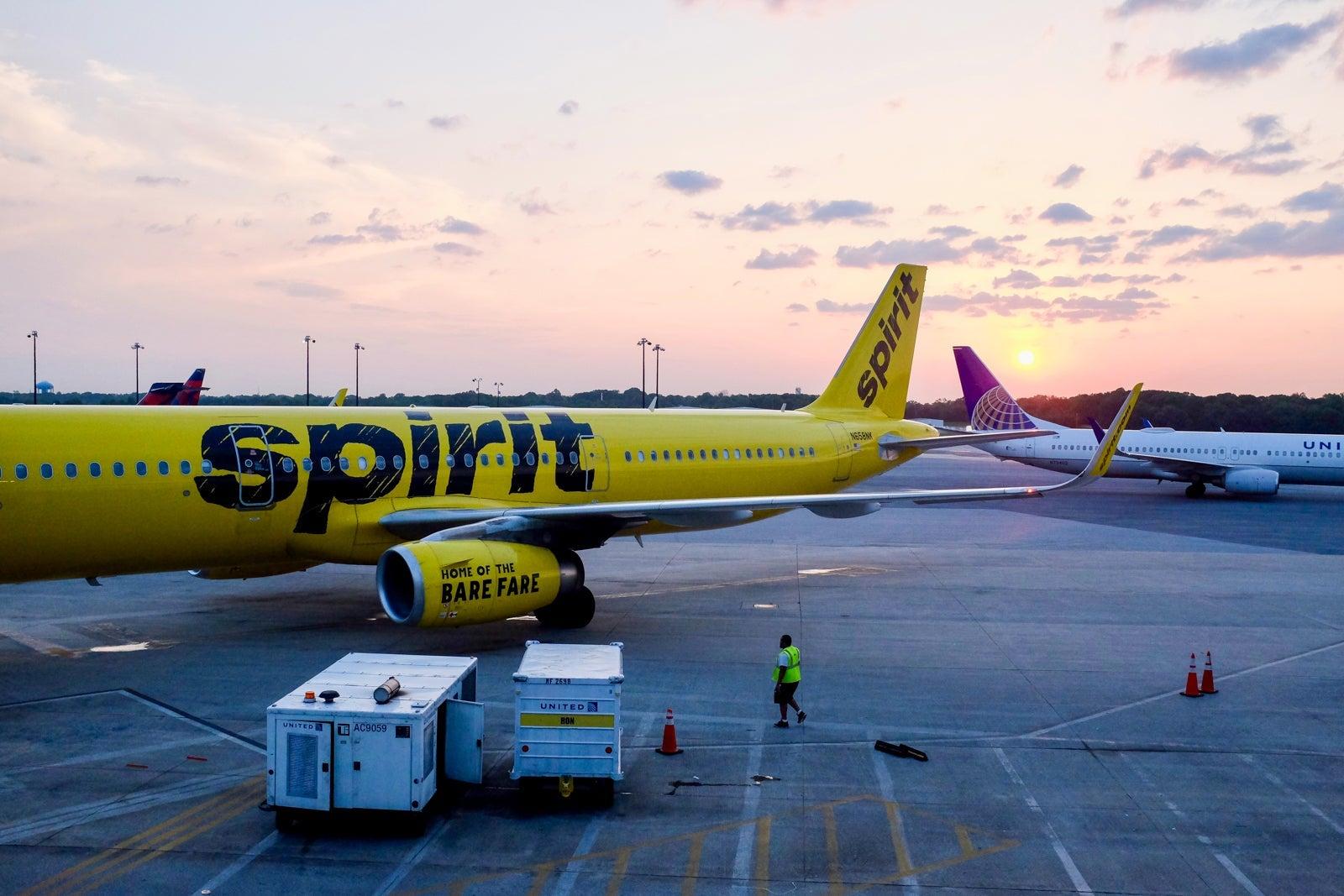
Spirit Airlines is seeking approval for retention payments as it prepares to end operations.
The move highlights a growing aviation industry crisis affecting jobs, travel, and financial stability.
Experts warn this could signal deeper structural challenges across global airlines in 2026.
Aviation industry crisis is intensifying in Florida on May 4, 2026, as, (Parliament Politics Magazine) highlights a major development involving Spirit Airlines. The airline is seeking court approval to issue retention payments to key employees while preparing to shut down operations, a move that underscores mounting pressures across the global aviation sector.
The request reflects a broader pattern of financial instability, workforce disruption, and operational strain affecting airlines worldwide. As companies grapple with rising costs and shifting demand, the situation surrounding Spirit Airlines is emerging as a defining moment in the current aviation cycle.
Airline Seeks Approval to Retain Critical Workforce During Shutdown
Spirit Airlines has formally requested authorization to compensate select employees through retention incentives. The goal is to ensure that essential personnel remain in place throughout the shutdown process, maintaining safety, compliance, and operational continuity.
The aviation industry crisis is evident in this decision, as companies increasingly rely on such measures to manage complex closures. Without these incentives, critical staff departures could disrupt regulatory processes and asset management.
Key roles targeted for retention include pilots, engineers, safety officers, and administrative professionals responsible for overseeing final operations.
Key Developments
- Company: Spirit Airlines
- Location: Florida
- Date: May 4, 2026
- Action: Retention payment request during shutdown
- Sector Impact: Low-cost airline segment
- Core Issue: Workforce retention amid closure
Market Signals
- Rising operational costs across airlines
- Increasing financial distress among low-cost carriers
- Heightened competition and margin pressure
Why Retention Payments Are Critical in Airline Closures
Retention payments are commonly used in corporate restructuring scenarios, particularly in industries with strict regulatory requirements. In aviation, the stakes are even higher due to safety considerations.
The aviation industry crisis has made such payments more common, as airlines attempt to balance financial constraints with operational responsibilities.
“You cannot safely wind down an airline without experienced personnel in place—it’s not optional,”
said an aviation restructuring specialist.
This highlights the importance of maintaining a stable workforce during periods of transition.
Financial Pressures Driving Airline Shutdown Decisions
The collapse of Spirit Airlines is not an isolated event. The broader aviation industry crisis is being driven by several factors:
- Volatile fuel prices
- Labor shortages and rising wages
- Increased competition from global carriers
- Shifting consumer travel patterns
These challenges have created a difficult environment for low-cost carriers, which often operate on thinner margins compared to larger airlines.
Employee Impact and Workforce Uncertainty
The shutdown has significant implications for employees. While some workers may receive retention payments, many others face layoffs without comparable support.
The aviation industry crisis is particularly visible in workforce disruptions, with thousands of jobs potentially affected. Employees must now navigate uncertain job markets while dealing with the immediate impact of losing stable employment.
“The human cost of airline closures is often overlooked, but it is profound and far-reaching,”
noted a labor analyst.
Regulatory Oversight and Approval Process
Retention payment requests must undergo regulatory scrutiny to ensure fairness and necessity. Authorities will evaluate whether the payments serve a legitimate operational purpose and do not unfairly disadvantage creditors.
The aviation industry crisis adds complexity to this process, as regulators balance competing interests during financial distress scenarios.
Passenger Disruptions and Market Reaction
Travelers are also affected by the shutdown, facing cancellations, refunds, and rebooking challenges. The situation has created uncertainty for passengers who relied on Spirit Airlines for affordable travel options.
The aviation industry crisis has amplified these disruptions, as reduced competition could lead to higher fares and fewer choices in the market.
Competitive Landscape and Industry Ripple Effects
The airline industry is highly interconnected, meaning that one company’s collapse can impact others. Competitors may absorb displaced passengers, but they also face similar cost pressures.
The aviation industry crisis is therefore not confined to a single airline—it reflects systemic challenges affecting the entire sector.
Historical Context: Airline Industry Cycles and Crises
The aviation sector has experienced multiple cycles of growth and decline over the decades. From economic recessions to global events, airlines have repeatedly faced disruptions.
What distinguishes the current aviation industry crisis is the convergence of multiple challenges, including technological change, environmental concerns, and shifting consumer behavior.
This historical perspective helps explain why the current situation is particularly complex.
Future Outlook for the Aviation Sector
Looking ahead, the future of the airline industry will depend on how companies adapt to changing conditions. Innovation, cost management, and strategic partnerships will play critical roles.
The aviation industry crisis may ultimately lead to consolidation, with stronger players absorbing weaker ones. While this could stabilize the market, it may also reduce competition.
Key Quote Highlight: Aviation Industry Crisis Impact
“This is not just one airline shutting down—it’s a warning sign for the entire aviation industry,”
said a senior market strategist.

Summary of Key Developments
The aviation industry crisis has reached a critical point with Spirit Airlines’ decision to seek retention payments while ending operations. The move highlights the complex challenges facing airlines, from financial pressures to workforce management.
Key takeaways include:
- Retention payments aim to ensure safe and orderly shutdown
- Employees face uncertainty and potential job losses
- Regulatory approval will determine the outcome
- The broader industry is under significant strain
As the situation evolves, it will continue to shape the future of global aviation.