

Oil prices are rising, but growth expectations remain uncertain across key economies.
New analysis shows structural challenges weakening the impact of energy revenues.
The 2026 outlook signals a major shift in how global oil markets influence growth.
Oil market forecast is drawing global attention in Moscow on May 4, 2026, as (Parliament Politics Magazine) highlights new economic analysis suggesting that rising crude prices may not translate into sustained economic growth for major exporters. While oil has historically driven economic expansion in energy-dependent nations, current indicators reveal a more complex outlook shaped by geopolitical tensions, shifting demand patterns, and structural economic constraints.
The latest projections suggest that global oil markets are entering a transitional phase, where price increases alone may no longer serve as a reliable engine for growth. Analysts warn that the disconnect between energy revenues and broader economic performance is becoming increasingly evident in 2026.
Key Oil Market Indicators
- Region: Global oil market
- Date: May 4, 2026
- Core Issue: High prices with limited growth impact
- Primary Sector: Energy / Oil Exports
- Market Trend: Volatility with uncertain demand outlook
Key Signals
- Elevated crude oil prices
- Slower-than-expected GDP growth
- Shifts toward renewable energy
- Reduced reliance on fossil fuels in some regions
High Oil Prices No Longer Guarantee Economic Growth
The current oil market forecast suggests a weakening relationship between oil prices and economic expansion. Historically, rising prices boosted revenues for exporting nations, fueling public spending and investment.
However, in 2026, this dynamic is changing. Structural inefficiencies, global demand shifts, and geopolitical constraints are limiting the impact of higher prices.
“The oil market is entering a phase where price strength does not automatically translate into economic strength,”
said a global energy economist.
Structural Factors Reshaping the Oil Market
Several internal economic factors are influencing the oil market forecast, particularly in countries heavily dependent on energy exports:
- Limited diversification across industries
- Aging infrastructure and production systems
- Workforce and demographic challenges
- Slow adoption of advanced technologies
These issues reduce the effectiveness of increased oil revenues, preventing them from driving broader economic growth.
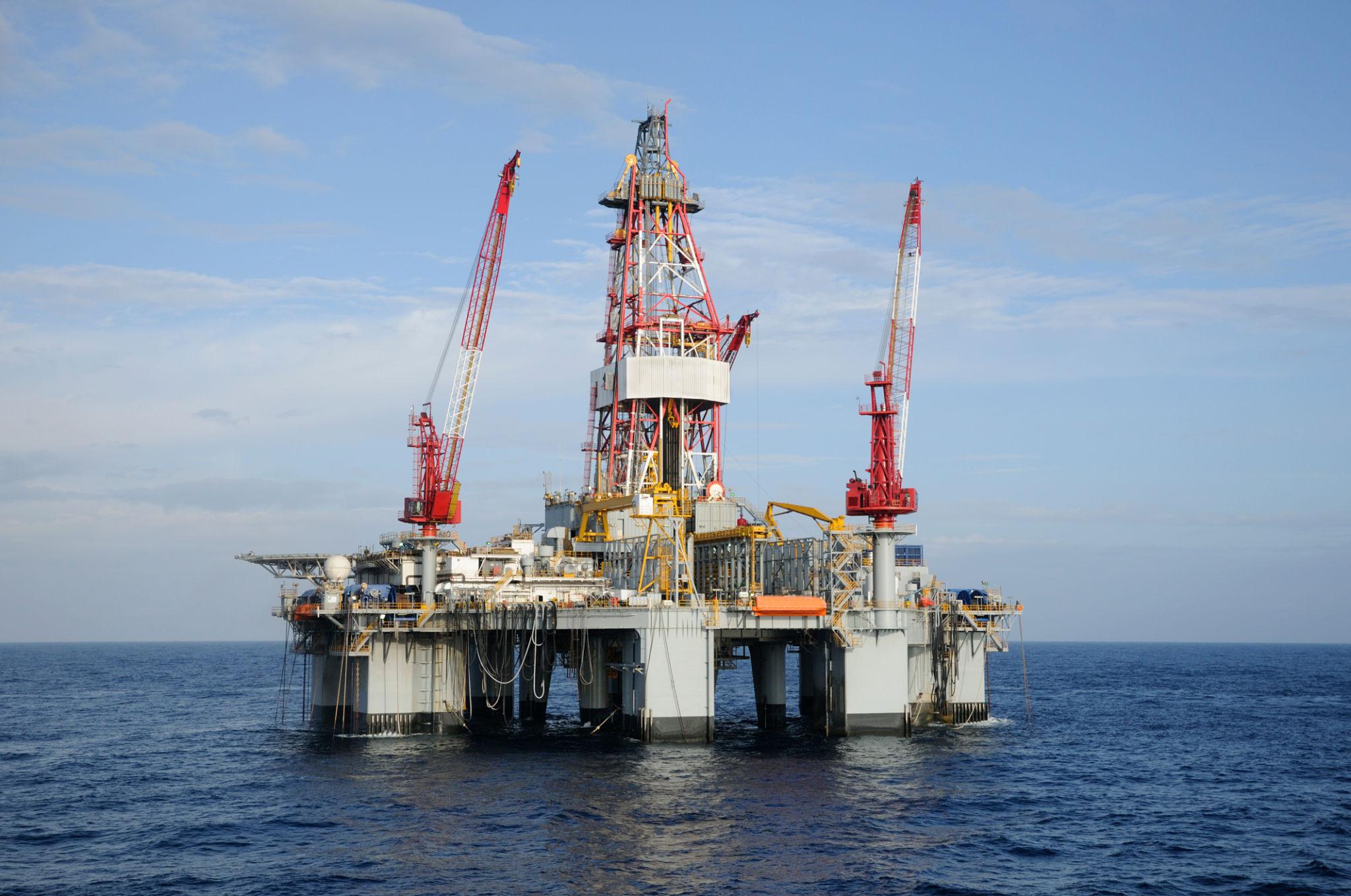
Global Demand Shifts Impacting Oil Revenues
Demand patterns are evolving rapidly due to technological and environmental changes. The transition toward renewable energy sources and increased efficiency in energy use are reshaping global consumption trends.
The oil market forecast reflects these shifts, indicating that demand growth may not keep pace with supply increases.
Geopolitical Pressures and Market Uncertainty
Geopolitical tensions continue to play a significant role in shaping the oil market. Sanctions, trade restrictions, and regional conflicts have introduced volatility and uncertainty.
The oil market forecast highlights how these factors complicate long-term planning for producers and investors alike.
“Geopolitical dynamics are now as influential as supply and demand fundamentals in determining oil market outcomes,”
noted an international policy analyst.
Currency and Inflation Effects on Oil Economies
High oil prices can strengthen currencies in exporting nations, but they can also contribute to inflation. In some cases, these effects offset the benefits of increased revenues.
The oil market forecast suggests that managing inflation and currency stability will be critical for maintaining economic balance.
Investment Trends and Capital Flow Challenges
Investment flows are another key component of the oil market forecast. Reduced foreign investment in certain regions has limited opportunities for growth and modernization.
This trend is particularly concerning for economies that rely heavily on external capital to support development.
Historical Perspective: Oil Market Cycles and Economic Impact
The oil market has undergone numerous cycles over the past decades, with periods of high prices often followed by downturns. These cycles have shaped global economic patterns and influenced policy decisions.
The current oil market forecast differs from previous cycles, as it reflects structural changes rather than temporary fluctuations. This shift underscores the need for long-term strategic adjustments.
Future Outlook for Global Oil Markets
Looking ahead, the oil market forecast indicates continued volatility with moderate growth potential. Key trends expected to influence the market include:
- Expansion of renewable energy adoption
- Technological advancements in energy efficiency
- Changing transportation and mobility patterns
- Policy shifts toward sustainability
These factors will shape the trajectory of global oil markets in the coming years.
Key Quote Highlight: Oil Market Outlook
“We are witnessing a structural transformation in the oil market that challenges traditional growth assumptions.”
“Energy exporters must adapt quickly or risk falling behind in a rapidly evolving global economy.”

Summary of Key Developments
The oil market forecast for 2026 presents a complex picture of rising prices and uncertain growth. While energy revenues remain significant, they are no longer sufficient to drive economic expansion on their own.
Key takeaways include:
- Structural challenges are limiting growth potential
- Global demand shifts are reshaping market dynamics
- Geopolitical factors are increasing uncertainty
- Long-term strategies are needed for stability
As global markets continue to evolve, the oil sector will remain a critical but increasingly complex component of the world economy.