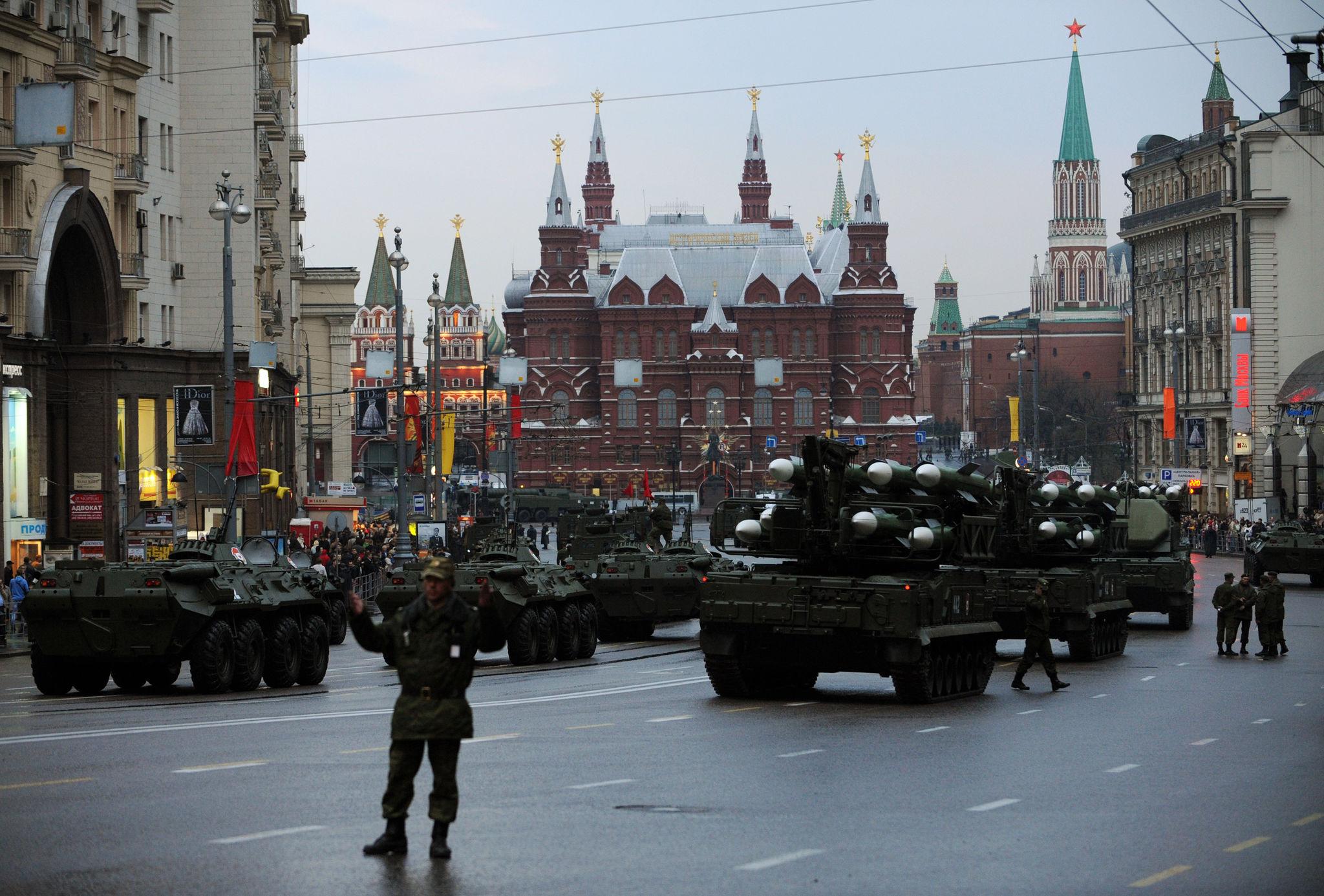
Russia security concerns intensified during Moscow’s scaled-back Victory Day parade as authorities increased surveillance and military deployments in 2026.
The event unfolded under heightened security amid ongoing Ukraine war tensions and growing geopolitical uncertainty.
Analysts say the tighter restrictions reflect broader fears surrounding regional instability and Russia’s evolving wartime environment.
Moscow, Russia (Parliament Politics Magazine) Russia security concerns intensified Friday as President Vladimir Putin attended a scaled-back Victory Day military parade in Moscow under heightened security measures linked to the ongoing Ukraine war and broader regional tensions.
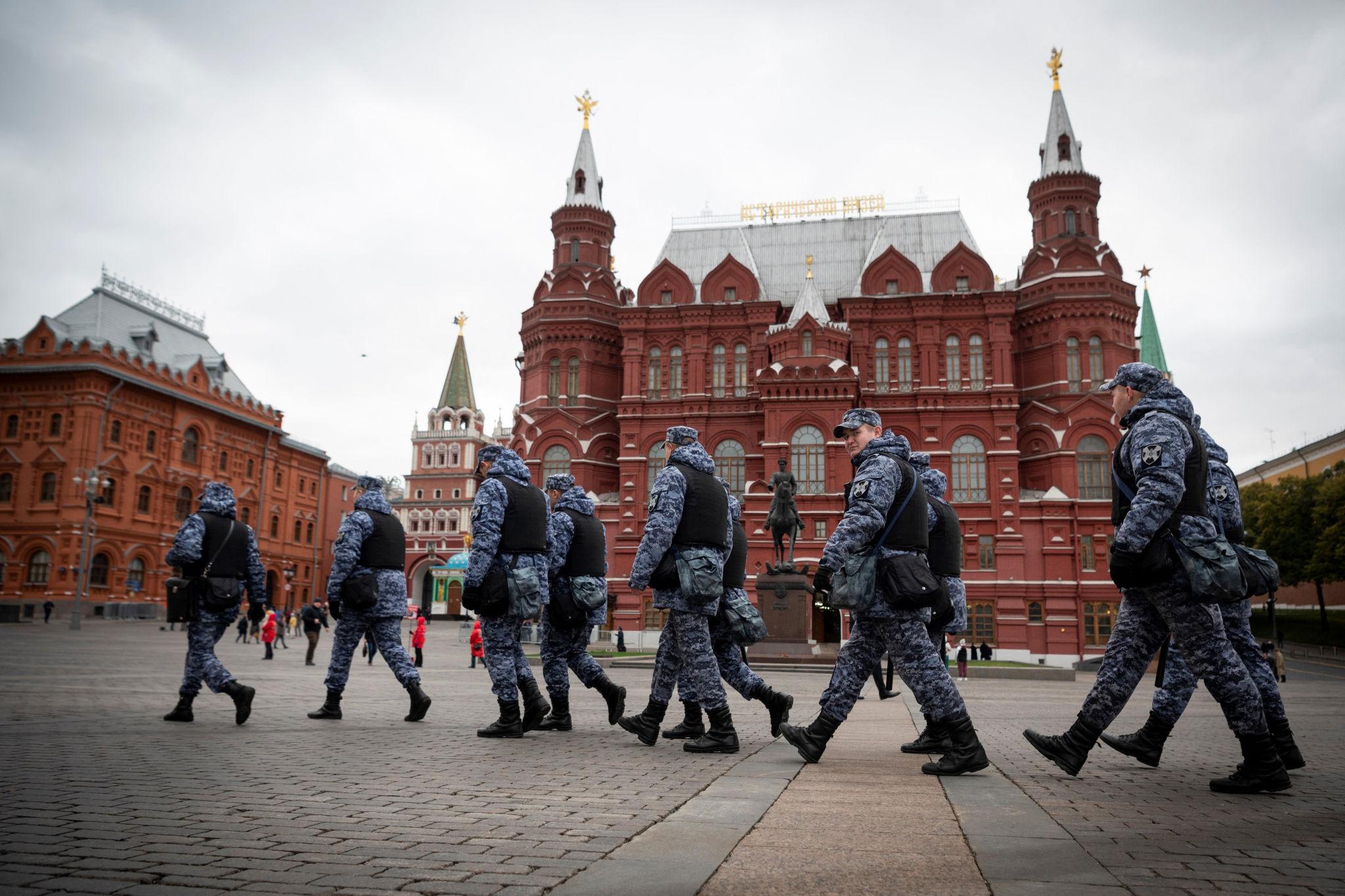
The annual World War II commemoration, traditionally one of Russia’s largest public military events, unfolded amid tighter restrictions, increased surveillance, and visible deployments of law enforcement and military personnel across the Russian capital.
Officials emphasized patriotism and national unity during the ceremony, while international analysts focused heavily on the smaller scale of the event and the extensive security presence surrounding Red Square.
The developments highlighted growing geopolitical pressure facing Moscow as the conflict in Ukraine continues reshaping Russia’s domestic and international environment throughout 2026.
“Security has become one of the defining issues shaping Russia’s political and public atmosphere,”
one European geopolitical analyst said.
Russia Security Concerns 2026 at a Glance
- Country: Russia
- Location: Moscow
- Date: May 9, 2026
- Main Topic: Russia security concerns
- Event: Victory Day military parade
- Key Figure: Vladimir Putin
- Primary Concern: Ukraine war and internal security
- Security Measures: Expanded monitoring and restrictions
- Military Focus: National defense and public safety
- International Reaction: Continued geopolitical tensions
- Political Impact: Increased wartime pressure on Moscow
Heavy Security Presence Dominates Moscow
The latest Russia security concerns became immediately visible throughout central Moscow as police officers, military personnel, surveillance teams, and emergency response units expanded their presence around parade locations and government buildings.
Authorities reportedly restricted portions of public access while strengthening monitoring systems tied to potential threats involving drones, sabotage, or public disruption attempts.
Several observers noted that modern Russian public events now operate under far stricter security frameworks compared to earlier years before the Ukraine conflict escalated.
Security checkpoints, road closures, and aerial monitoring operations were also expanded throughout the capital during the Victory Day ceremonies.
Analysts suggested the increased precautions reflected broader fears surrounding regional instability and internal security risks connected to the prolonged conflict.
Smaller Victory Parade Draws International Attention
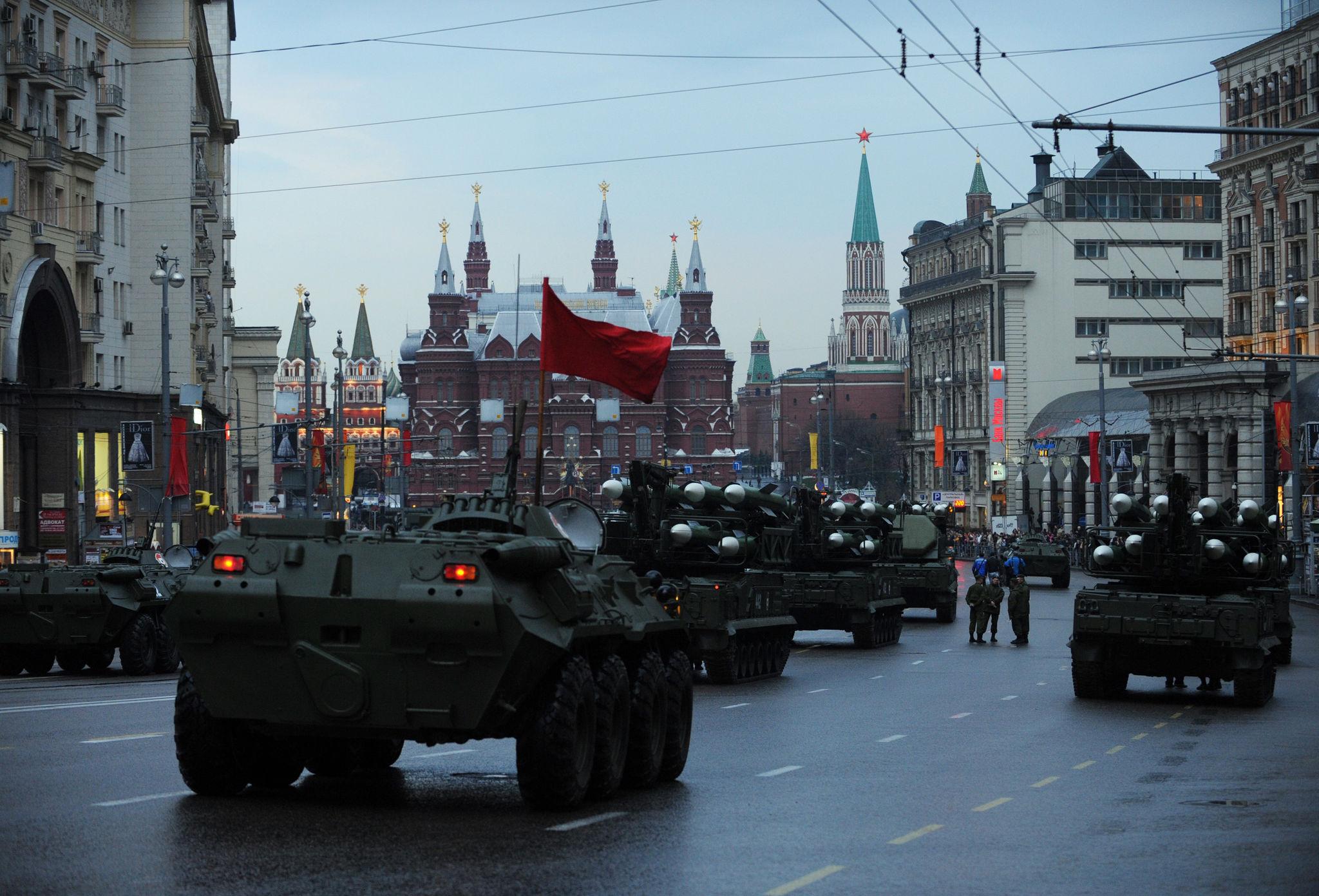
The reduced scale of the military event quickly became a central talking point linked to growing Russia security concerns and the broader pressures facing the Kremlin.
Military analysts pointed to fewer heavy military vehicles, limited aerial displays, and a more restrained public presentation compared to previous Victory Day celebrations.
Some experts argued the smaller format reflected logistical realities tied to ongoing military operations in Ukraine, while others viewed it as a strategic security decision.
Russian officials did not publicly describe the parade as diminished, instead emphasizing historical remembrance and military pride.
Still, international observers widely interpreted the scaled-back event as a sign of changing conditions surrounding Russia’s wartime environment.
“The symbolism surrounding Victory Day carries enormous political and strategic importance for the Russian government,”
one defense analyst explained.
Ukraine Conflict Continues Driving Security Policy
The expanding Russia security concerns are closely tied to the continuing war in Ukraine, which remains the dominant issue influencing Russian political, military, and economic decision-making.
The prolonged conflict has increased military spending, intensified sanctions pressure, and raised fears regarding possible escalation or cross-border security threats.
Russian authorities have repeatedly emphasized the need for stronger national security coordination while framing the conflict as a broader geopolitical confrontation involving NATO and Western governments.
At the same time, international intelligence agencies continue monitoring Russian domestic stability, military readiness, and strategic positioning.
Several analysts noted that public security operations inside Russia have expanded significantly since the conflict entered its later stages.
History of Security Challenges During Victory Day
The latest Russia security concerns follow a long history of security planning surrounding major national celebrations and military ceremonies in Moscow.
Victory Day parades have traditionally served as highly symbolic demonstrations of Russian military power, patriotism, and historical identity since the Soviet era.
Over the past two decades, authorities gradually expanded security procedures surrounding public events because of terrorism threats, geopolitical tensions, and evolving military risks.
Since the Ukraine war began, Moscow has introduced even stricter controls involving surveillance systems, air defense preparations, and public gathering restrictions tied to major events.
Analysts say this year’s parade reflected how dramatically Russia’s internal security priorities have evolved during the ongoing conflict period.
International Reactions Reflect Geopolitical Divide
Global reaction to the latest Russia security concerns remained sharply divided depending on political alignment and diplomatic relationships with Moscow.
Western governments largely continued criticizing Russia’s military actions in Ukraine while reinforcing sanctions and defense cooperation with Kyiv.
Meanwhile, some international partners maintained diplomatic engagement with Russian officials and avoided direct confrontation regarding the parade ceremonies.
Political observers noted that Victory Day events increasingly function as both domestic political messaging and international geopolitical signaling.
Several NATO-aligned analysts also stressed that Russia’s visible security posture reflects broader concerns about regional instability and military escalation risks.
“Large state ceremonies now operate within a much more volatile geopolitical environment,”
one international security researcher stated.
Russian Society Faces Ongoing Pressure
The growing Russia security concerns also reflect broader social and economic strain affecting parts of Russian society as sanctions, inflation, and military pressures continue impacting daily life.
State media coverage surrounding Victory Day strongly emphasized themes of sacrifice, resilience, patriotism, and national solidarity.
At the same time, independent analysts suggested that prolonged wartime conditions have increased anxiety surrounding security, economic stability, and long-term geopolitical uncertainty.
Several economists noted that defense spending and sanctions pressure continue influencing investment conditions and industrial priorities inside Russia.
Political experts believe public messaging tied to security and national unity will likely remain central to Russian government strategy throughout 2026.