

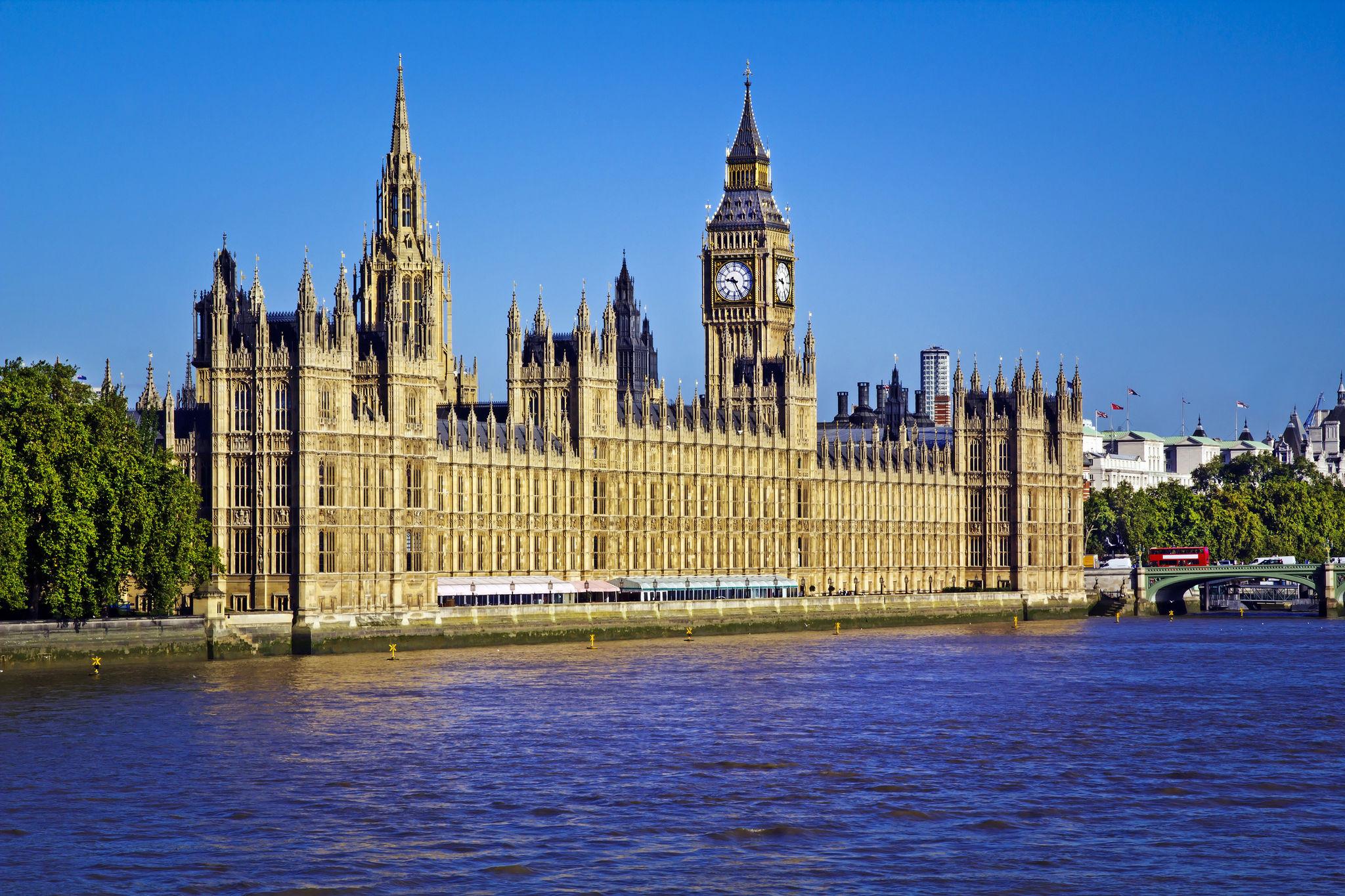
Political divisions inside Westminster intensified after another government resignation increased pressure on Prime Minister Keir Starmer.
The growing UK Parliament tensions are fueling concerns over Labour Party unity and political stability in Britain.
Analysts warn the latest developments could shape British politics throughout 2026.
London, United Kingdom, (Politics Parliament Magazine) UK Parliament tensions intensified across Westminster on Tuesday following the resignation of a safeguarding minister who publicly protested Prime Minister Keir Starmer and his leadership direction inside the Labour government.
The resignation immediately sparked renewed debate regarding government stability and increased political pressure on Starmer during a period of economic uncertainty and growing public frustration.
Political analysts described the development as another significant challenge facing Labour as divisions inside Parliament continue becoming more visible.
“The country deserves leadership clarity during difficult times,”
the resigning minister reportedly stated following the announcement.
The latest UK Parliament tensions have quickly become one of the most discussed political issues across Britain this week.
Westminster Divisions Increase Political Pressure
The resignation highlighted widening divisions inside the Labour government as disagreements over leadership strategy and policy priorities continue growing.
The ongoing UK Parliament tensions have raised concerns among political observers regarding Labour’s ability to maintain unity while facing mounting economic and public pressure.
Government officials attempted to reduce speculation surrounding wider instability, insisting the administration remains focused on governing and implementing policy reforms.
However, opposition lawmakers argued the resignation reflects deeper political problems inside Westminster and signals weakening confidence in Labour leadership.
Political commentators believe additional resignations or public criticism could further increase pressure on Starmer during the coming months.
Opposition Parties Intensify Attacks on Labour
Conservative MPs and opposition leaders moved quickly to use the resignation as evidence of growing instability inside the government.
The escalating UK Parliament tensions allowed critics to question whether Labour can maintain strong leadership while Britain continues facing economic and social challenges.
Opposition lawmakers accused the government of struggling with internal discipline as inflation, housing costs, taxation, and healthcare concerns remain central issues affecting British households.
“Britain needs stability, not growing political division inside government,”
one opposition MP stated during parliamentary debate.
Political strategists say leadership disputes inside governing parties often attract increased public attention because they can influence voter confidence and market stability.
Economic Challenges Continue Shaping Westminster Debate
Economic pressure remains a major factor behind the growing UK Parliament tensions as millions of households continue facing affordability concerns throughout Britain.
Inflation, rising living costs, healthcare delays, and public spending debates continue dominating political discussion inside Westminster.
Business groups have repeatedly urged the government to prioritize investment, economic growth, and long-term stability rather than internal political disputes.
Financial analysts also warned prolonged instability could impact investor confidence and broader economic planning during 2026.
The government nevertheless maintains that its economic strategy remains stable despite increasing criticism from both opposition parties and some Labour members.
Media Focus Intensifies Across Britain
British media organizations spent much of Tuesday analyzing the latest resignation and the broader UK Parliament tensions affecting the Labour government.
Television channels, newspapers, and political commentators focused heavily on leadership speculation and questions surrounding Labour Party unity.
Media analysts noted that nonstop digital news coverage and social media discussion continue accelerating political controversies across Britain.
The resignation also triggered widespread online debate regarding political accountability, government transparency, and Westminster leadership stability.
“Modern political pressure grows faster than ever because every disagreement becomes public instantly,”
a London-based political analyst explained.
Historical Perspective on Parliamentary Crises
Britain has experienced several major periods of parliamentary conflict throughout modern political history, particularly during economic downturns and declining public confidence.
The current UK Parliament tensions have drawn comparisons to earlier leadership disputes involving both Labour and Conservative governments.
Political historians note that minister resignations often become symbolic moments capable of reshaping political momentum inside Parliament.
However, experts caution against assuming immediate political collapse, pointing out that British governments frequently survive periods of intense internal criticism.
Public Opinion Remains Deeply Divided
Public reaction to the rising UK Parliament tensions remains sharply divided across Britain.
Supporters of the government argue Labour still deserves additional time to implement reforms and stabilize national institutions following years of economic disruption.
Critics, however, claim the resignation reflects broader dissatisfaction inside government ranks and increasing frustration among voters.
Polling experts believe public trust in political leadership may become one of the defining issues shaping Britain’s political environment throughout 2026.
The controversy has also intensified debate regarding the future direction of Labour and Westminster governance.
International Markets Monitor Political Stability
Global investors and financial institutions continue monitoring Britain’s political situation because of the country’s importance in international markets and European diplomacy.
The latest UK Parliament tensions have generated concerns among analysts regarding future economic planning and investor confidence.
Government officials nevertheless insisted Britain remains politically stable despite growing parliamentary divisions and media scrutiny.
UK Parliament Tensions
Location: Westminster, London, United Kingdom
Date: May 12, 2026
Main Event: Safeguarding minister resigns in protest
Prime Minister: Keir Starmer
Key Political Issue: Growing Labour Party divisions
Economic Concerns: Inflation, taxation, healthcare costs
Opposition Response: Increased criticism of government leadership
Public Mood: Rising concern over political instability
Media Focus: Leadership pressure and Westminster divisions
Outlook: Political tensions expected to continue through 2026
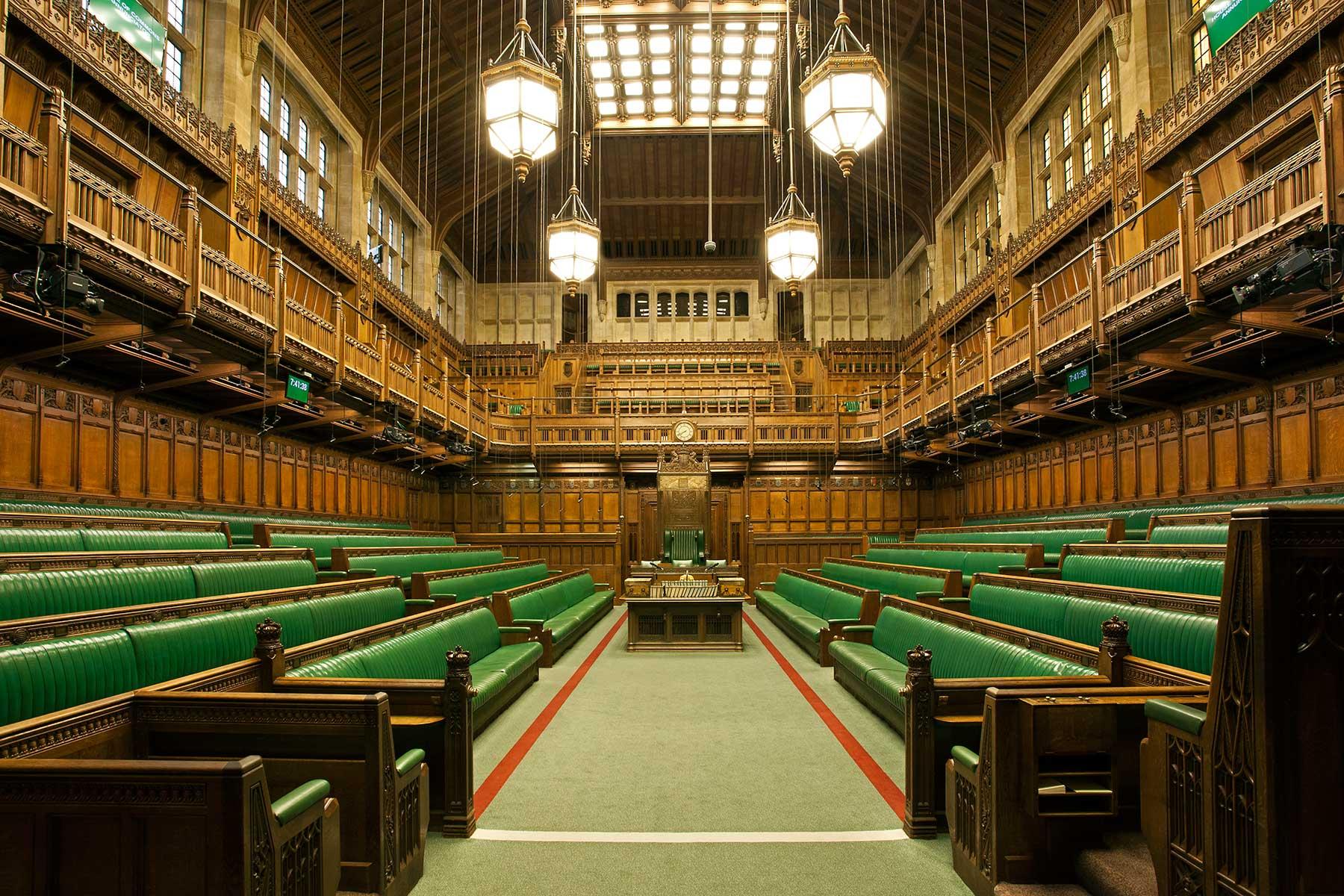
Westminster Faces Another Political Test
Britain’s political environment remains increasingly tense as resignations, leadership disputes, and economic uncertainty continue dominating Westminster debate.
The growing UK Parliament tensions surrounding Prime Minister Starmer’s government have intensified scrutiny on Labour’s internal stability and political direction during 2026.
Political analysts believe the government’s response over the coming months could determine whether the current crisis stabilizes or expands further across British politics.