

LONDON, United Kingdom (Parliament Politics Magazine) The UK auto industry crisis is raising fresh concerns across Britain as automakers face falling profits, EV transition costs, and slowing global demand in 2026.
Manufacturers including luxury vehicle brands are struggling with rising energy prices, international competition, and economic uncertainty.
Industry experts warn the next 12 months could determine the future of British automotive manufacturing.
UK Auto Industry Crisis Raises Economic Concerns Across Britain
The UK auto industry crisis is becoming one of the biggest economic concerns facing Britain in 2026 as automotive manufacturers battle declining profits, rising operational costs, weaker exports, and increasing pressure from the global electric vehicle transition. Industry leaders are warning that the current situation could reshape British manufacturing for years if economic conditions continue deteriorating.
The latest financial results from several major automakers have intensified fears that the British automotive sector may be entering one of its most difficult periods in decades. Analysts say global competition, expensive technology investments, and uncertain consumer demand are all contributing to the growing instability.
“The automotive sector is facing a perfect storm of economic and technological disruption,”
one London market analyst said.
| Category | 2026 Update |
|---|---|
| Sector Concern | Declining profitability |
| Main Pressure | EV transition costs |
| Factory Risks | Production slowdowns |
| Consumer Trend | Lower luxury spending |
| Supply Chain Status | Ongoing disruptions |
| Government Focus | Industrial support measures |
| Global Competition | Rising Chinese EV exports |
| Industry Outlook | Uncertain recovery |

British Manufacturers Face Rising Financial Pressure
The UK auto industry crisis has become a major topic among investors and political leaders following reports of weaker earnings across several automotive companies.
Manufacturers are currently battling multiple economic problems simultaneously, including:
- Higher energy prices
- Inflation-driven manufacturing expenses
- Weak European consumer demand
- Increased borrowing costs
- Expensive electric vehicle transformation programs
Industry experts say the financial burden of transitioning from traditional gasoline-powered vehicles to electric models is now placing enormous pressure on corporate balance sheets.
Many automakers are being forced to spend billions upgrading factories, developing battery technology, and redesigning entire vehicle platforms while still trying to maintain profitability.
Electric Vehicle Expansion Reshapes the Industry
The shift toward electric transportation remains one of the biggest drivers behind the UK auto industry crisis in 2026.
Government regulations across Europe continue pushing automakers toward cleaner transportation systems, but the transition has proven more expensive and complicated than many industry executives originally expected.
Automotive companies now face challenges including:
Battery Production Costs
Battery technology remains extremely expensive despite rapid advancements in the EV market. Companies are investing heavily in battery plants and supply agreements.
Charging Infrastructure Concerns
Consumers continue expressing concerns about charging station availability, especially outside major urban areas.
Global EV Competition
Chinese electric vehicle manufacturers are rapidly expanding into European markets with lower-priced alternatives, creating additional pricing pressure for British and European brands.
“The EV transition is necessary, but it is financially painful for traditional automakers,”
one automotive strategist said.
Factory Regions Fear Economic Impact
The UK auto industry crisis is creating anxiety in manufacturing communities across Britain where automotive factories support thousands of jobs.
Regions dependent on vehicle production fear that prolonged industry weakness could eventually lead to:
- Reduced factory output
- Delayed investment projects
- Job reductions
- Supplier instability
- Slower local economic growth
Automotive manufacturing remains deeply connected to many regional economies throughout England and Wales.
Business leaders are now urging the UK government to expand industrial support programs before economic conditions worsen further.
UK Government Faces Pressure to Intervene
Political leaders are increasingly being pushed to protect Britain’s automotive sector from long-term decline.
Industry groups are requesting:
- Tax incentives for manufacturers
- Energy cost assistance
- Expanded EV infrastructure funding
- Trade protections
- Workforce training investments
Some economists argue that stronger industrial policies may be necessary if Britain hopes to remain globally competitive during the electric vehicle transition.
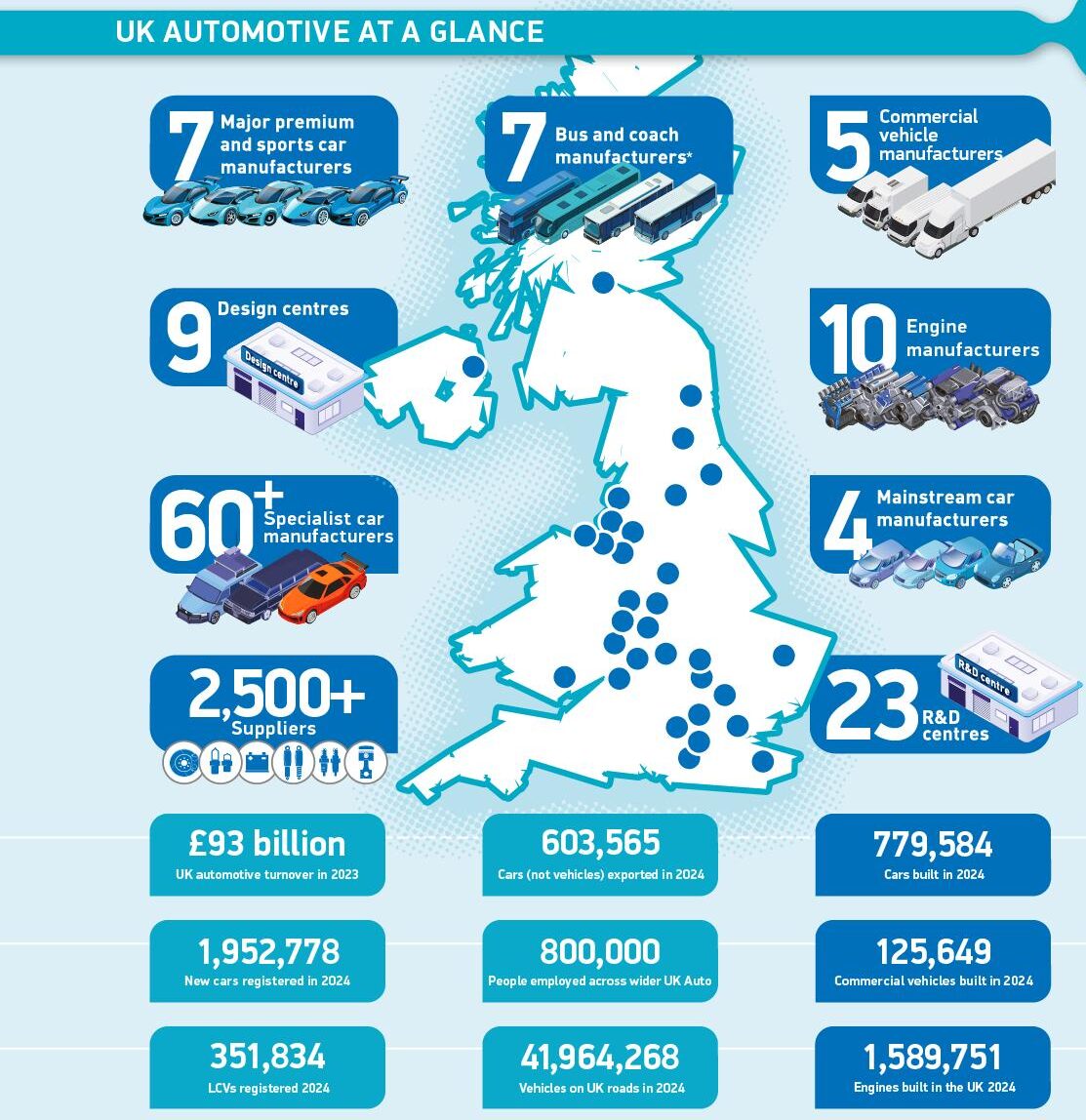
The government has already acknowledged the strategic importance of the automotive industry to national manufacturing and export performance.
| Period | Main Industry Challenge | Economic Impact |
|---|---|---|
| 1970s | Energy crisis | Production instability |
| 1980s | Foreign competition | Factory closures |
| 1990s | Globalization pressure | Market share decline |
| 2008 | Financial crisis | Vehicle demand collapse |
| 2020 | Pandemic disruptions | Supply shortages |
| 2026 | EV transition costs | Profitability pressure |
Experts believe the current electric vehicle transition could become one of the largest industrial restructurings in modern British automotive history.
Consumer Demand Slows Across Europe
Consumer purchasing behavior is also contributing to the UK auto industry crisis.
Many European households are delaying large purchases due to inflation and economic uncertainty. Higher interest rates have also made vehicle financing more expensive for buyers.
Luxury vehicle brands have been particularly affected as customers become more cautious about discretionary spending.
Industry analysts say weaker consumer demand could continue through much of 2026 unless inflation pressures ease significantly.
Global Trade Conditions Add More Uncertainty
The automotive industry remains highly dependent on international trade and global supply chains.
Ongoing geopolitical tensions, tariff concerns, and fluctuating shipping costs continue impacting manufacturing operations.
British manufacturers are also competing against heavily subsidized global rivals, especially in Asia.
Several companies are now reevaluating production strategies to reduce supply chain risks and improve long-term efficiency.
“Global competition is no longer just about vehicle quality . It is now about production speed, technology, and cost efficiency.”
an international trade expert explained.
Investors Closely Watching Future Industry Decisions
Financial markets are paying close attention to how automakers respond to the worsening UK auto industry crisis.
Possible future actions could include:
- Factory restructuring
- Workforce reductions
- Delayed expansion projects
- New EV partnerships
- Increased automation investments
Some analysts believe mergers or strategic alliances may eventually become more common within the global automotive sector.
Despite current challenges, many investors still believe Britain maintains strong engineering expertise and internationally respected automotive brands.
Technology and AI Becoming Industry Priorities
Automotive technology development is accelerating rapidly as manufacturers race to modernize vehicles.
Companies are now heavily investing in:
- Artificial intelligence systems
- Autonomous driving technology
- Advanced battery software
- Digital vehicle platforms
- Connected car infrastructure
The cost of remaining technologically competitive is becoming another major financial challenge for traditional manufacturers.
Industry leaders say companies unable to modernize quickly could fall behind global competitors within the next decade.
Industry Leaders Warn About Long-Term Risks
Executives across the automotive sector continue warning that Britain risks losing manufacturing competitiveness without coordinated long-term planning.
The UK auto industry crisis has highlighted broader concerns about:
- Industrial productivity
- Energy pricing
- Infrastructure modernization
- International trade policy
- Workforce development
Some economists warn that failing to stabilize the sector could weaken Britain’s manufacturing base over time.
The UK auto industry crisis is becoming one of the most important economic stories in Britain during 2026. Rising production costs, electric vehicle investments, slowing consumer demand, and aggressive international competition are placing enormous pressure on manufacturers throughout the country.
While the industry continues investing heavily in future technology and modernization, many companies are struggling to balance transformation costs with profitability.
The next year may determine whether Britain successfully adapts to the changing automotive landscape or faces deeper industrial challenges ahead.