Uganda officially granted an operating license to Starlink, marking a major step in African broadband expansion.
The move could improve internet access in underserved rural communities across Uganda and East Africa.
Analysts believe satellite internet competition may reshape Africa’s growing digital economy in 2026.
KAMPALA, Uganda (Parliament Politics Magazine) Starlink Africa expansion efforts accelerated after Ugandan authorities officially granted an operating license to Elon Musk’s satellite internet company, opening the door for broader broadband access throughout the country. The decision positions Uganda among a growing number of African nations embracing satellite-based internet infrastructure as governments race to modernize digital connectivity.
The approval allows Starlink, operated by SpaceX and led by Elon Musk, to begin preparing commercial satellite internet operations in Uganda. Officials believe the move could help improve connectivity for businesses, schools, healthcare systems, financial institutions, and remote communities where traditional internet infrastructure remains limited.
The latest development represents another milestone in the rapidly growing Starlink Africa expansion strategy that continues reshaping digital access across the continent.
Starlink Africa Expansion in Uganda 2026
| Category | Details |
|---|---|
| Country | Uganda |
| Announcement Date | May 15, 2026 |
| Company | Starlink / SpaceX |
| Industry | Satellite Internet |
| Main Objective | Expand broadband connectivity |
| Key Focus Areas | Rural internet, education, business access |
| Regional Impact | East Africa digital infrastructure growth |
Uganda Pushes Forward With Satellite Internet Development
The approval surrounding Starlink Africa expansion reflects Uganda’s broader efforts to strengthen its digital economy and modernize communications infrastructure. Government officials have repeatedly emphasized the importance of reliable internet access for economic development and social progress.
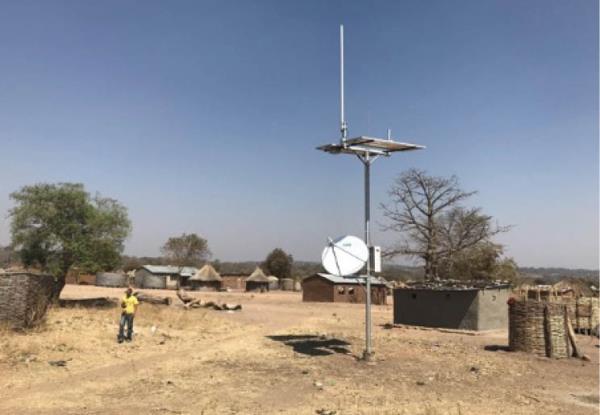
Large areas of Uganda continue facing connectivity challenges because traditional broadband expansion projects require major infrastructure investments and extended construction timelines. Satellite internet offers an alternative solution capable of delivering service to underserved regions without depending entirely on fiber-optic systems or cellular towers.
Technology analysts believe the new license could significantly improve internet accessibility in remote communities where digital services remain inconsistent or unavailable.
One East African technology consultant stated:
“Internet access has become essential infrastructure for economic growth, education, and financial opportunity in developing markets.”
The continued growth of Starlink Africa expansion may help accelerate internet adoption rates throughout several African economies over the coming years.
Elon Musk Expands Influence Across African Technology Markets
The latest approval strengthens Elon Musk’s growing presence within Africa’s rapidly expanding technology sector. Through Starlink, Musk has positioned satellite internet services as a major component of future global communications infrastructure.
The broader Starlink Africa expansion strategy focuses heavily on countries where internet coverage gaps continue limiting economic and technological development. Analysts say Africa represents one of the world’s largest untapped broadband markets due to rising smartphone adoption and growing demand for online services.
Several governments across the continent have already approved Starlink operations as digital transformation becomes increasingly important for national economic competitiveness.
The company’s low-Earth orbit satellite network is designed to provide high-speed internet access with lower latency compared to traditional satellite systems.
Industry experts believe satellite internet could become especially valuable for rural communities, agricultural operations, healthcare facilities, and educational institutions located far from urban infrastructure networks.
Rural Communities Could See Major Connectivity Improvements
One of the biggest expectations surrounding Starlink Africa expansion involves improving internet access in remote and underserved communities.
Many rural regions across Uganda continue facing limited broadband options, slow internet speeds, and unreliable digital services. Building fiber-optic infrastructure across isolated regions often remains financially difficult for governments and telecommunications providers.
Satellite internet technology may offer a faster solution for expanding digital connectivity in areas where traditional infrastructure projects have struggled.
Education officials believe stronger internet access could improve digital learning opportunities for students while supporting online educational platforms and remote training programs.
Healthcare providers also see opportunities for expanded telemedicine services, digital patient records, and improved communication between regional medical centers.
Small businesses operating outside major cities may benefit from improved access to digital banking systems, e-commerce platforms, and online marketing tools.
The continued growth of Starlink Africa expansion may therefore influence multiple sectors beyond telecommunications alone.
Telecommunications Competition Could Intensify Across East Africa
The launch of Starlink operations in Uganda could reshape regional telecommunications competition as satellite-based internet services expand across East Africa.
Some analysts believe the ongoing Starlink Africa expansion strategy may pressure existing internet providers to improve network reliability, broadband speeds, and service affordability.
Others caution that equipment costs could remain a challenge for lower-income households during the early stages of rollout.
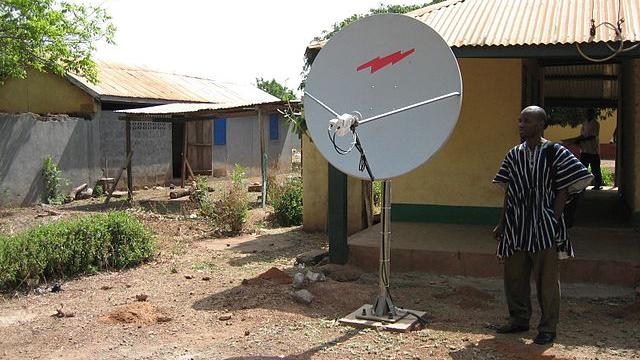
Starlink users typically require satellite receiver hardware and installation equipment to access services. While the technology offers strong connectivity advantages, affordability remains an important factor for broader adoption in developing economies.
Still, increased competition often encourages innovation and infrastructure investment throughout the telecommunications industry.
Regional policymakers hope expanding internet access options will strengthen economic productivity and improve digital inclusion across East Africa.
Historical Growth of Satellite Internet in Africa
The current momentum surrounding Starlink Africa expansion reflects years of growing demand for better internet connectivity throughout Africa.
Historical Cycles of African Internet Development
| Period | Major Development | Regional Impact |
|---|---|---|
| Early 2000s | Mobile phone growth | Expanded basic communications |
| 2010–2015 | Mobile internet adoption | Increased smartphone usage |
| 2016–2020 | Fintech and mobile banking rise | Digital economy growth |
| 2021–2024 | Fiber expansion projects | Improved urban broadband |
| 2025–2026 | Satellite internet expansion | Rural connectivity acceleration |
Analysts say satellite broadband could represent the next major phase of African internet growth as governments prioritize digital infrastructure investment.
Governments Continue Prioritizing Digital Economies
The broader Starlink Africa expansion trend comes as African governments increasingly focus on technology investment, digital entrepreneurship, and internet accessibility.
Reliable broadband infrastructure is considered critical for supporting sectors including fintech, e-commerce, artificial intelligence, agriculture technology, education technology, and cloud computing.
Uganda has actively encouraged investment in digital services and communications infrastructure as part of its long-term modernization strategy.
Officials believe improved internet access may help create new business opportunities while attracting foreign technology investment into East Africa.
One regional business adviser noted:
“Countries that improve digital infrastructure today will likely become the strongest technology economies in Africa tomorrow.”
Starlink Faces Regulatory and Security Questions
Despite strong growth, Starlink Africa expansion also raises regulatory and cybersecurity discussions among policymakers worldwide.
Governments continue evaluating issues involving data privacy, national telecommunications oversight, cybersecurity protections, and competition within domestic internet markets.
Some officials remain cautious about foreign-controlled communications infrastructure operating inside national economies.
Others argue satellite internet provides critical opportunities for economic development and digital inclusion in underserved regions.
Technology policy experts expect future discussions involving satellite internet governance to remain active as adoption expands globally.

Africa’s Digital Future May Depend on Connectivity
Analysts increasingly believe internet access will become one of the most important factors influencing long-term economic growth across Africa.
The expansion of reliable broadband networks may directly affect education quality, financial inclusion, healthcare systems, entrepreneurship, and workforce development throughout the continent.
The latest Uganda approval strengthens expectations that Starlink Africa expansion could play a major role in shaping Africa’s future digital economy.