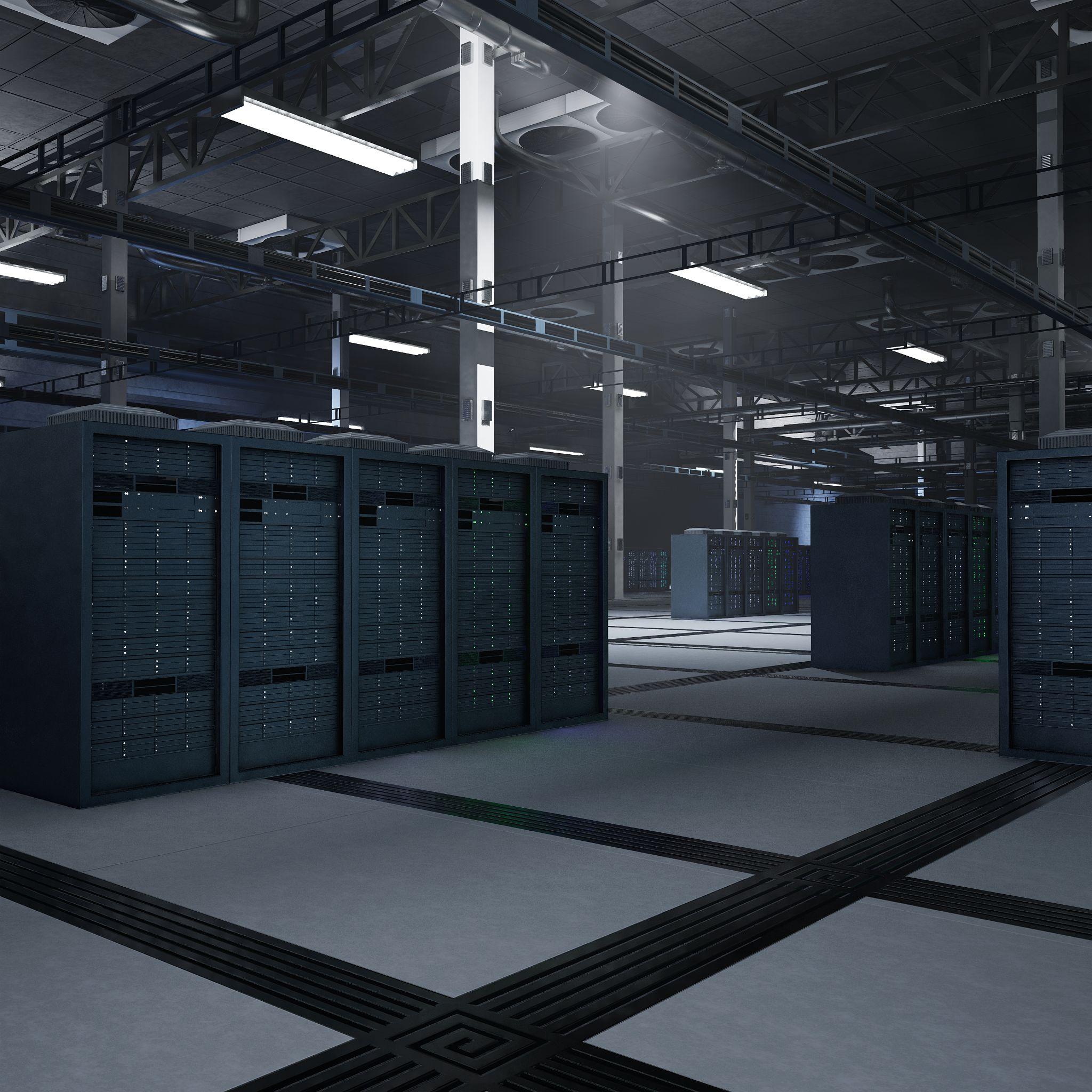
CXMT expects stronger earnings in 2026 as global semiconductor revenue growth accelerates with rising AI infrastructure demand.
Memory chips, cloud computing, and advanced data centers are driving increased semiconductor consumption worldwide.
Analysts say China’s semiconductor expansion could reshape global technology competition in coming years.
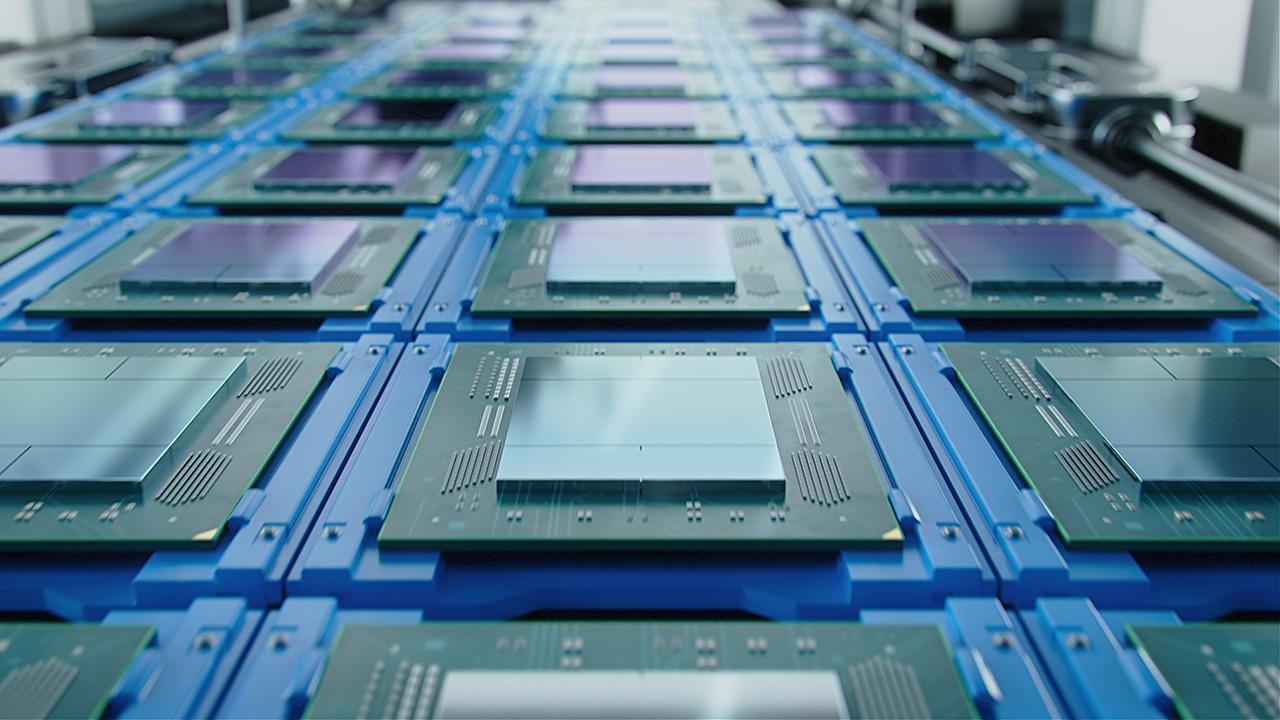
Beijing, China (Parliament Politics Magazine) semiconductor revenue growth is accelerating across global technology markets as Chinese chipmaker ChangXin Memory Technologies (CXMT) reportedly expects a significant increase in earnings fueled by rising demand for advanced memory chips and artificial intelligence infrastructure. The company’s outlook reflects broader momentum within the semiconductor sector as global investment in cloud computing, AI systems, electric vehicles, and data centers continues expanding rapidly.
Industry analysts believe semiconductor manufacturers worldwide are entering another major growth cycle supported by the explosive rise of artificial intelligence technologies. AI applications require enormous processing capabilities and high-speed memory infrastructure, increasing pressure on semiconductor supply chains globally.
CXMT’s expected expansion also highlights China’s long-term strategy to strengthen domestic semiconductor production and reduce dependence on foreign technology suppliers.
Semiconductor Revenue Growth Data Snapshot
| Category | Key Information |
|---|---|
| Company | CXMT |
| Industry | Semiconductor Manufacturing |
| Main Driver | AI Infrastructure Expansion |
| Focus Area | Memory Chip Production |
| Country | China |
| Year | 2026 |
AI Infrastructure Fuels Global Chip Industry Expansion
Technology companies worldwide are investing heavily in AI infrastructure to support machine learning systems, cloud computing networks, and large-scale data processing operations.
Analysts say semiconductor revenue growth is being driven primarily by increasing demand for advanced computing hardware used in artificial intelligence development.
Modern AI applications require massive volumes of:
- High-speed memory chips
- Data center processors
- Advanced graphics chips
- Storage infrastructure
- Cloud computing systems
As corporations continue expanding AI capabilities, semiconductor producers are benefiting from rising infrastructure spending.
A semiconductor strategist based in Singapore stated:
“Artificial intelligence has fundamentally changed the demand outlook for semiconductor manufacturers worldwide.”
That trend has increased investor interest in semiconductor companies connected to AI supply chains.
China Expands Domestic Semiconductor Capabilities
China has spent years increasing investment in semiconductor research, manufacturing capacity, and supply chain development.
Government-backed industrial initiatives continue supporting domestic chip producers as China attempts to strengthen technological independence.
Industry experts believe semiconductor revenue growth could accelerate further as Chinese companies increase production of advanced memory technologies and computing components.
The semiconductor sector has become strategically important due to its critical role in:
- Artificial intelligence
- National security systems
- Telecommunications infrastructure
- Consumer electronics
- Electric vehicles
- Industrial automation
China’s semiconductor expansion efforts also come during ongoing geopolitical tensions surrounding advanced technology exports and trade restrictions.
Memory Markets Continue Recovering
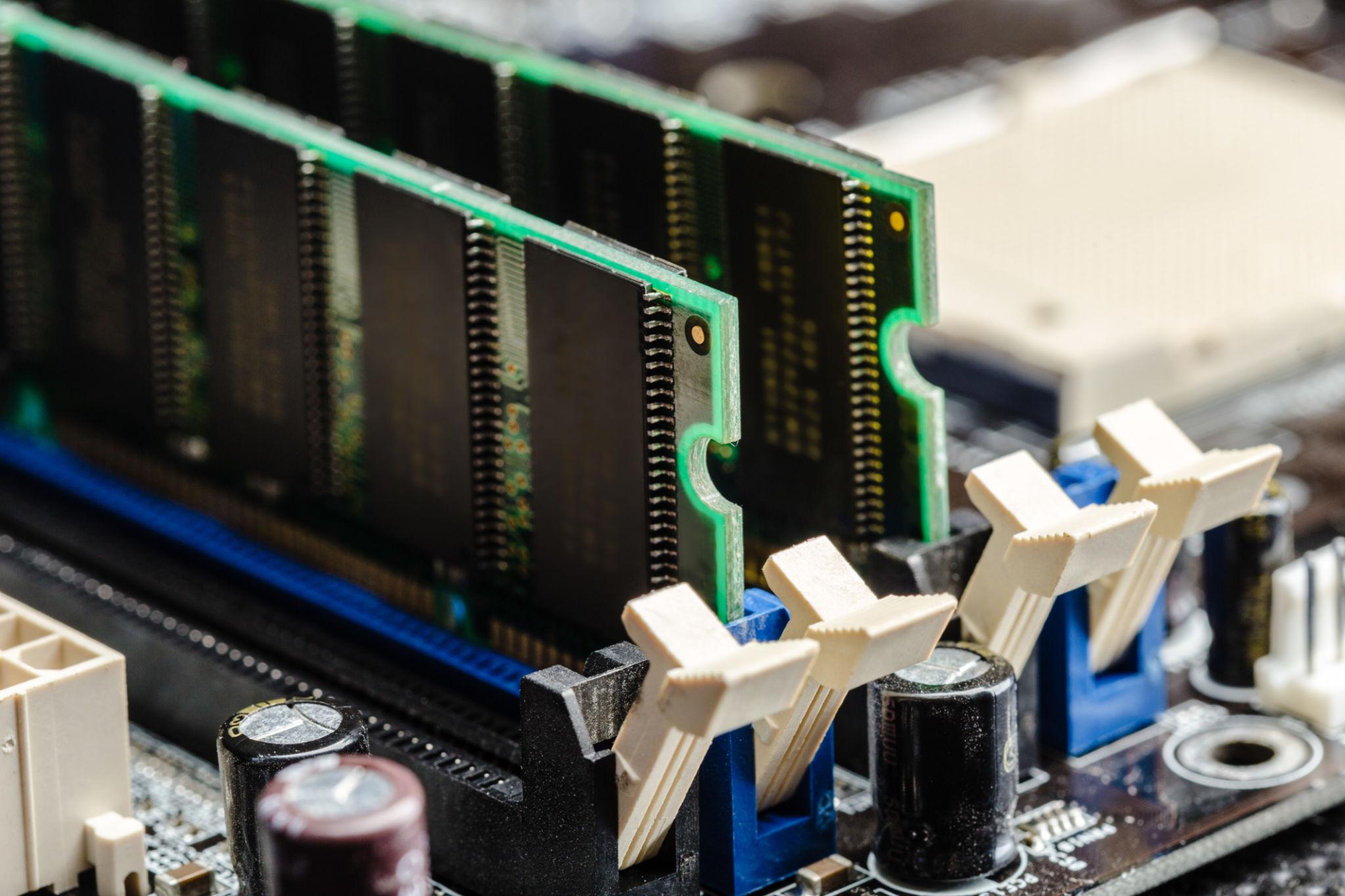
The global memory chip industry experienced volatility during earlier market slowdowns caused by weaker electronics demand and inventory corrections.
However, market conditions have improved significantly as enterprise technology spending rebounds and AI infrastructure investment accelerates.
Experts say semiconductor revenue growth is now benefiting from stronger pricing conditions and improving supply-demand balance within memory markets.
Several technology firms are increasing purchases of advanced memory products to support AI training systems and cloud computing infrastructure.
A global technology economist said:
“The current memory recovery cycle appears stronger because it is being supported by structural AI investment rather than short-term consumer demand alone.”
That shift has improved revenue expectations across semiconductor markets.
Data Centers Become Critical Growth Drivers
Data center expansion remains one of the largest contributors to semiconductor industry growth.
Major technology companies continue building large-scale computing facilities capable of supporting artificial intelligence workloads and cloud services.
Industry analysts say semiconductor revenue growth is closely tied to increasing data center investment because modern AI systems require massive computational infrastructure.
Cloud providers and enterprise software companies are spending billions to expand server capacity and improve processing performance.
That investment is increasing demand for advanced memory chips, processors, networking hardware, and storage systems worldwide.
Historical Cycles of Semiconductor Expansion
The semiconductor industry has historically experienced powerful growth cycles driven by technological innovation and rising computing demand.
Historical Cycles Table
| Period | Industry Trend | Market Impact |
|---|---|---|
| 2000–2005 | Personal Computer Expansion | DRAM demand increases |
| 2006–2012 | Smartphone Growth Boom | Mobile semiconductor production surges |
| 2013–2018 | Cloud Computing Expansion | Data center investments accelerate |
| 2019–2024 | AI Infrastructure Development | Semiconductor shortages emerge |
| 2025–2026 | Advanced AI Computing Cycle | Global chip revenues strengthen |
Industry experts believe the current AI-driven cycle could become one of the most transformative periods in semiconductor industry history.
Semiconductor Competition Intensifies Worldwide
Global competition within semiconductor markets continues intensifying as governments classify advanced chip manufacturing as strategically important.
The United States, China, South Korea, Taiwan, Japan, and European nations are all investing heavily in semiconductor production capabilities.
Analysts say semiconductor revenue growth may increase geopolitical competition because advanced semiconductors are now viewed as essential economic and national security assets.
Governments are introducing subsidy programs and industrial incentives designed to strengthen domestic semiconductor ecosystems.
Despite geopolitical tensions, global semiconductor demand continues rising rapidly due to expanding digital infrastructure needs.
Supply Chain Security Remains a Major Concern
Technology companies and governments remain focused on strengthening semiconductor supply chain resilience after disruptions experienced during recent years.
Manufacturers are attempting to diversify production capacity while securing stable access to advanced chip technologies.
Industry observers say semiconductor revenue growth is forcing companies to accelerate factory construction and increase manufacturing investment to avoid future shortages.
At the same time, export restrictions and geopolitical uncertainty continue influencing global semiconductor trade dynamics.
Several nations are now prioritizing domestic chip production to reduce supply chain vulnerabilities.
Financial Markets Closely Monitor Semiconductor Trends
Investors worldwide continue monitoring semiconductor markets because chips remain critical to modern economic growth and digital transformation.
Technology stocks connected to AI infrastructure, advanced computing, and semiconductor production have attracted strong investor interest during 2026.
Experts say semiconductor revenue growth may remain one of the most important indicators influencing technology sector performance throughout the decade.
Some analysts believe AI infrastructure spending could support sustained semiconductor market expansion for many years.
Artificial Intelligence Reshaping Technology Markets
Artificial intelligence continues reshaping multiple industries including finance, healthcare, logistics, manufacturing, and telecommunications.
As AI systems become more advanced, demand for high-performance computing hardware continues increasing rapidly.
Industry experts believe semiconductor revenue growth is directly connected to the long-term expansion of artificial intelligence infrastructure worldwide.
That relationship is likely to remain a defining factor shaping global technology markets during the coming decade.