

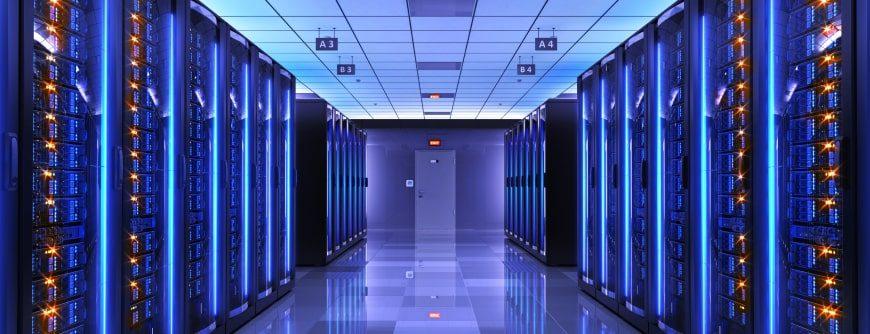
AI power consumption is rapidly increasing as artificial intelligence systems expand across industries worldwide.
Energy experts warn that growing electricity demand from AI data centers could pressure aging grids and battery storage infrastructure.
Technology firms and governments are now accelerating investments in renewable energy, grid upgrades, and energy-efficient AI systems.
London, United Kingdom (Parliament Politics Magazine) The rapid rise in AI power consumption is placing global energy infrastructure under growing pressure as battery storage firms race to support expanding artificial intelligence systems and data centers. Industry experts warn that electricity demand tied to AI technologies is increasing faster than many national grids and supply chains can currently manage.
Artificial intelligence platforms now require enormous computing power for machine learning operations, cloud services, automation systems, and advanced generative AI applications. As governments and technology companies continue investing billions into AI expansion, energy providers are being forced to rethink long-term infrastructure strategies.
The growing focus on AI power consumption is also transforming battery storage firms into critical players within the future global economy.
| Category | Key Detail |
|---|---|
| Industry Focus | Artificial Intelligence and Energy |
| Main Challenge | Rising AI electricity demand |
| Year | 2026 |
| Key Regions | Europe, United States, Asia |
| Major Concern | Grid capacity limitations |
| Growth Sector | Battery storage infrastructure |
| Infrastructure Risk | Data center expansion |
| Investment Trend | Renewable energy and storage |
AI Data Centers Driving Massive Electricity Growth
The rise in AI power consumption is being fueled primarily by the rapid expansion of data centers supporting advanced artificial intelligence systems.
AI-powered infrastructure now handles tasks involving:
- Machine learning
- Cloud computing
- Automation platforms
- Predictive analytics
- Language models
- Enterprise AI services
Industry researchers say AI systems require significantly more processing power and electricity than many traditional computing operations.
Large-scale AI models can consume vast amounts of energy during training and deployment, creating growing pressure on electrical grids and utility providers worldwide.
An energy infrastructure analyst stated:
“Artificial intelligence is quickly becoming one of the largest emerging electricity consumers in the modern economy.”
The comment reflects growing concerns surrounding long-term energy sustainability and infrastructure readiness.
Battery Storage Firms See Major Expansion Opportunities
The rapid increase in AI power consumption is creating major growth opportunities for companies specializing in battery storage and energy management systems.
Battery storage technologies are increasingly viewed as essential for:
- Stabilizing electrical grids
- Preventing power outages
- Supporting renewable energy systems
- Managing peak electricity demand
- Improving data center reliability
- Expanding backup power capacity
Several battery storage firms have already announced infrastructure expansion projects aimed at supporting future AI-driven electricity requirements.
Industry leaders believe energy storage systems may become one of the most valuable infrastructure sectors linked to artificial intelligence growth.

Aging Power Grids Facing Increased Stress
The rise in AI power consumption is also exposing weaknesses in aging electrical infrastructure across multiple countries.
Utility operators warn that current transmission systems were not originally designed to support the enormous electricity requirements now associated with AI expansion.
Grid operators are increasingly dealing with:
- Transmission bottlenecks
- Limited power distribution capacity
- Weather-related disruptions
- Delayed infrastructure permits
- Regional electricity shortages
- Renewable integration challenges
Energy experts warn that modernizing power grids could require years of investment before infrastructure fully adapts to accelerating AI demand.
A utility consultant stated:
“The speed of AI infrastructure growth is outpacing traditional energy planning.”
That warning has intensified discussions surrounding national energy security and infrastructure resilience.
Supply Chain Challenges Affect Battery Manufacturers
The continued growth of AI power consumption is intensifying competition for critical battery materials and industrial supply chains.
Battery production relies heavily on resources including:
- Lithium
- Nickel
- Cobalt
- Copper
- Rare earth minerals
Rising global demand, geopolitical tensions, mining restrictions, and manufacturing bottlenecks continue creating uncertainty throughout the energy storage industry.
Several battery companies are now investing in recycling systems and alternative technologies aimed at reducing long-term dependence on vulnerable supply chains.
Analysts warn that shortages involving battery materials could slow future energy infrastructure projects if demand continues accelerating rapidly.
Renewable Energy Systems Becoming More Important
The rapid increase in AI power consumption is strengthening the relationship between artificial intelligence infrastructure and renewable energy development.
Many technology companies are now investing heavily in:
- Solar energy projects
- Wind power infrastructure
- Battery storage systems
- Smart-grid technologies
- Carbon reduction initiatives
Energy experts say renewable energy systems combined with battery storage could help offset the rising electricity requirements tied to AI data centers.
Several firms are also exploring AI-powered grid optimization systems capable of improving electricity distribution efficiency.
The intersection between AI growth and renewable energy investment is becoming one of the most important trends in global infrastructure planning.
Historical Cycles of Energy and Technology Expansion
The rapid growth of AI power consumption resembles earlier periods of major industrial and technological transformation.
Historical Cycles Table
| Era | Infrastructure Shift | Long-Term Impact |
|---|---|---|
| Early 1900s | Industrial electrification | Manufacturing boom |
| 1950s | Oil and highway expansion | Automobile economy growth |
| 1990s | Internet infrastructure surge | Digital economy expansion |
| 2010s | Renewable energy transition | Clean energy investment |
| 2026 | AI power consumption growth | Battery and smart-grid expansion |
Technology historians note that rapid innovation often creates major infrastructure pressures before long-term systems adapt successfully.
Investors Increase Focus on Energy Storage
The accelerating rise in AI power consumption is attracting significant investor interest toward battery storage companies and renewable energy providers.
Financial analysts believe energy infrastructure could become one of the strongest long-term investment sectors connected to AI growth.
Investors are increasingly focusing on:
- Grid-scale battery systems
- Smart-grid software
- Renewable electricity providers
- AI-powered energy optimization
- High-efficiency cooling systems for data centers
Some analysts predict global energy storage investment could expand sharply during the next decade if AI development continues accelerating.
Governments Under Pressure to Modernize Infrastructure
The rapid rise in AI power consumption is also increasing pressure on governments to modernize national energy systems.
Policymakers are now balancing priorities involving:
- AI competitiveness
- Energy security
- Climate goals
- Infrastructure resilience
- Supply chain protection
- Industrial growth strategies
Several countries have already introduced programs supporting battery manufacturing, renewable energy expansion, and smart-grid modernization.
Experts warn that nations failing to upgrade electrical infrastructure may struggle to compete in the expanding AI economy.

Environmental Concerns Continue Growing
While many industry leaders support infrastructure investment linked to rising AI power consumption, environmental concerns remain part of the broader debate.
Critics warn that large-scale AI systems could significantly increase global electricity usage if cleaner energy production fails to scale rapidly enough.
Battery manufacturing also faces scrutiny regarding mining practices, supply chain ethics, and sustainability concerns.
Environmental organizations continue encouraging responsible sourcing, renewable integration, and recycling programs as energy-intensive AI infrastructure expands globally.
A climate researcher stated:
“The future success of AI may depend heavily on sustainable energy development.”
The quote reflects growing awareness that technological expansion and environmental policy are becoming increasingly interconnected.
