

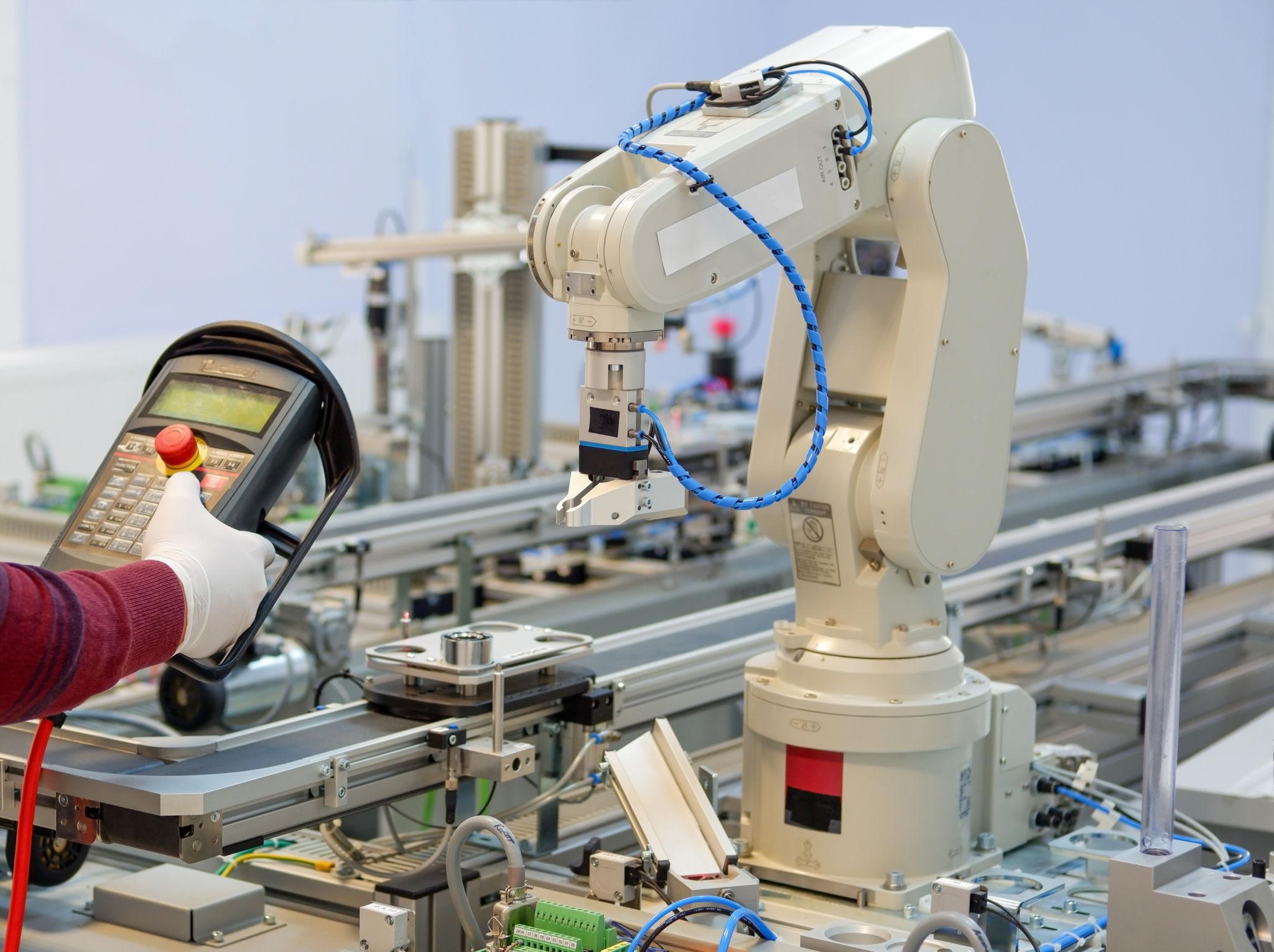
European AI expansion is accelerating after Mistral AI acquired an Austrian physics AI startup focused on industrial intelligence and advanced engineering systems.
The deal highlights Europe’s growing effort to compete with American and Chinese artificial intelligence companies in manufacturing and enterprise technology.
Analysts say the acquisition could strengthen Europe’s position in industrial AI, automation, and scientific computing markets.
PARIS, FRANCE (Parliament Politics Magazine) European AI expansion continued to gain momentum after French artificial intelligence company Mistral AI announced the acquisition of an Austrian startup specializing in physics-based AI systems and industrial engineering intelligence. The move reflects Europe’s increasing ambition to strengthen its role in the global artificial intelligence race while expanding industrial automation capabilities across manufacturing, robotics, and enterprise infrastructure.
The acquisition comes during a period of intense global competition among AI companies seeking leadership in enterprise software, predictive modeling, and industrial analytics. Analysts believe the deal represents another major milestone in the broader European AI expansion strategy that has emerged across France, Germany, Austria, and other European technology hubs.
Industry experts say Europe is increasingly focusing on practical industrial AI applications rather than consumer-only chatbot markets. The strategy could allow European firms to capitalize on the continent’s strong manufacturing and engineering sectors.
“Industrial AI may become Europe’s strongest competitive advantage in the next generation of artificial intelligence,”
one European technology strategist said.
Mistral AI Targets Industrial Technology Growth
Mistral AI initially gained international attention through its open-weight language models and enterprise AI software. However, the company now appears focused on expanding into industrial technology systems that require deeper scientific and operational intelligence.
The Austrian startup reportedly specialized in combining physics simulations with machine learning systems capable of analyzing real-world industrial environments. This technology can help manufacturers optimize production processes, improve energy efficiency, and reduce operational downtime.
The latest acquisition strengthens the broader European AI expansion effort by combining generative AI with advanced industrial modeling capabilities.
Technology investors believe industrial AI could become one of the most profitable sectors within artificial intelligence because enterprise customers often rely on long-term infrastructure contracts and operational integration.
Europe Pushes For Greater AI Independence
The acquisition also highlights Europe’s growing effort to reduce dependence on foreign artificial intelligence infrastructure. European governments have increasingly supported domestic AI development through funding programs, regulatory initiatives, and strategic investments.
France has become one of Europe’s leading AI innovation centers, while Austria continues to grow its reputation in scientific computing and engineering research.
The broader European AI expansion strategy reflects concerns among policymakers that Europe must maintain technological competitiveness against rapidly growing American and Chinese AI ecosystems.
Several European leaders have emphasized the importance of maintaining sovereign AI capabilities across critical industries including manufacturing, defense, healthcare, logistics, and energy.
“Europe cannot afford to become only a customer of foreign AI systems,”
an industry analyst said during a recent technology conference.
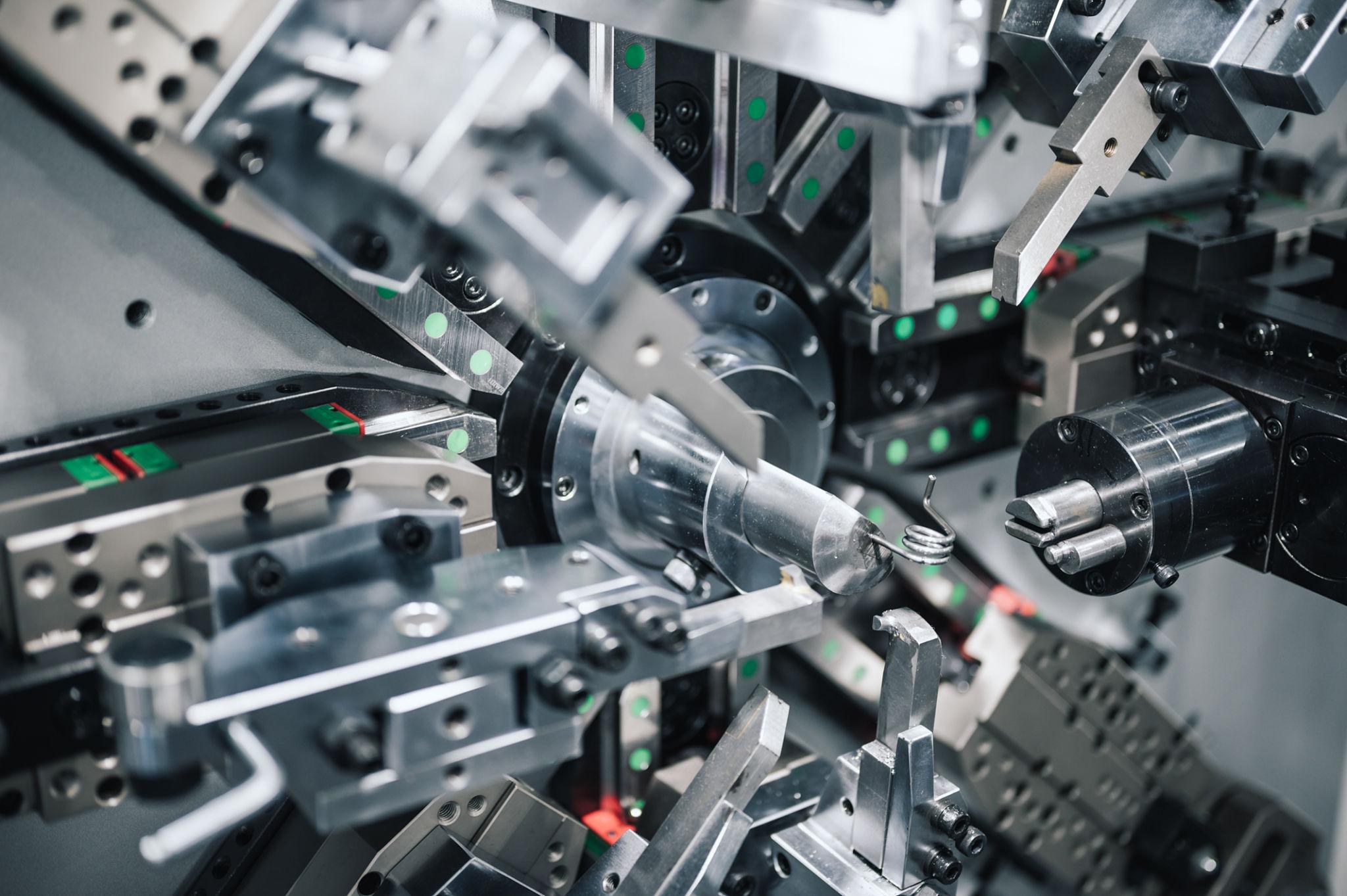
European AI Expansion 2026
| Category | Details |
|---|---|
| Main Company | Mistral AI |
| Acquired Startup | Austrian Physics AI Firm |
| Industry Focus | Industrial Artificial Intelligence |
| Strategic Goal | Enterprise & Manufacturing AI |
| Regional Impact | European Technology Growth |
| Key Technologies | Simulation, Automation, Predictive AI |
| Market Trend | AI Infrastructure Expansion |
| Target Sectors | Robotics, Manufacturing, Energy |
Industrial AI Demand Continues Rising
The global manufacturing sector is rapidly adopting AI technologies to address labor shortages, operational costs, and supply chain disruptions. Companies increasingly seek AI systems capable of predictive maintenance, robotics coordination, engineering analysis, and factory optimization.
This growing demand has accelerated the broader European AI expansion movement as firms across the continent invest heavily in industrial automation technologies.
Unlike consumer-focused AI applications, industrial AI systems often require advanced understanding of physical laws, engineering processes, and scientific simulations. Physics-based AI startups therefore hold strategic value for larger enterprise AI companies.
Experts say the integration of scientific computing and machine learning may define the next major phase of artificial intelligence development.
Austria Emerges As A Deep-Tech Innovation Hub
Austria has quietly become an important center for deep-tech innovation in Europe. Universities and research institutions across Vienna and other Austrian cities have produced startups specializing in robotics, scientific simulations, semiconductor technologies, and industrial software systems.
The Austrian startup acquired by Mistral AI reportedly developed advanced AI tools designed to simulate physical industrial systems more accurately than traditional machine-learning models alone.
The deal strengthens the overall European AI expansion narrative by showing how regional innovation ecosystems are becoming increasingly connected across Europe.
Technology investors are now closely watching Central European markets for emerging AI startups focused on enterprise and industrial solutions.
Historical Cycles Of Industrial Technology Expansion
| Era | Major Innovation | Global Impact |
|---|---|---|
| 1980s | Industrial Robotics | Factory Automation |
| 1990s | Enterprise Software | Digital Business Operations |
| 2000s | Cloud Computing | Global Data Infrastructure |
| 2010s | Big Data Analytics | Predictive Decision Making |
| 2020s | Artificial Intelligence | Autonomous Industrial Systems |
The current European AI expansion trend mirrors earlier periods of technological transformation that reshaped industrial productivity and economic competitiveness worldwide.
Manufacturing Sector Faces Major AI Transformation
Manufacturing companies across Europe are increasingly integrating artificial intelligence into daily operations. AI systems are now used to monitor production lines, detect mechanical failures, optimize logistics, and improve supply chain forecasting.
The latest European AI expansion developments suggest industrial enterprises may soon rely heavily on AI-powered simulation systems capable of modeling factory environments in real time.
Potential industries expected to benefit include:
- Automotive manufacturing
- Aerospace engineering
- Renewable energy systems
- Robotics automation
- Semiconductor production
- Logistics infrastructure
- Chemical processing
Some analysts believe industrial AI may become more economically significant than consumer chatbot technologies over the long term.
“The future of AI is not only conversation — it is operational intelligence,”
a European manufacturing executive said.
AI Consolidation Across Europe Intensifies
Europe’s artificial intelligence sector has entered a period of consolidation as larger companies acquire specialized startups to accelerate growth and expand technical expertise.
The latest acquisition reinforces the ongoing European AI expansion strategy where enterprise-focused AI firms seek partnerships and acquisitions to compete globally.
Industry experts expect additional mergers and acquisitions throughout 2026 as AI companies race to secure engineering talent, industrial technologies, and enterprise customers.
European investors are increasingly focusing on AI firms with real-world commercial applications rather than experimental consumer-only platforms.
Investor Confidence Remains Strong In Enterprise AI
Global financial markets continue to show strong interest in enterprise artificial intelligence companies serving industrial and operational markets.
The continued European AI expansion has attracted investment from venture capital firms, institutional investors, and corporate technology funds seeking long-term infrastructure opportunities.
Enterprise AI systems are often viewed as more stable investments because they integrate directly into business operations and generate recurring revenue through service contracts and software licensing agreements.
Analysts believe Europe’s industrial base may provide unique advantages for AI companies focused on manufacturing, engineering, logistics, and scientific computing.
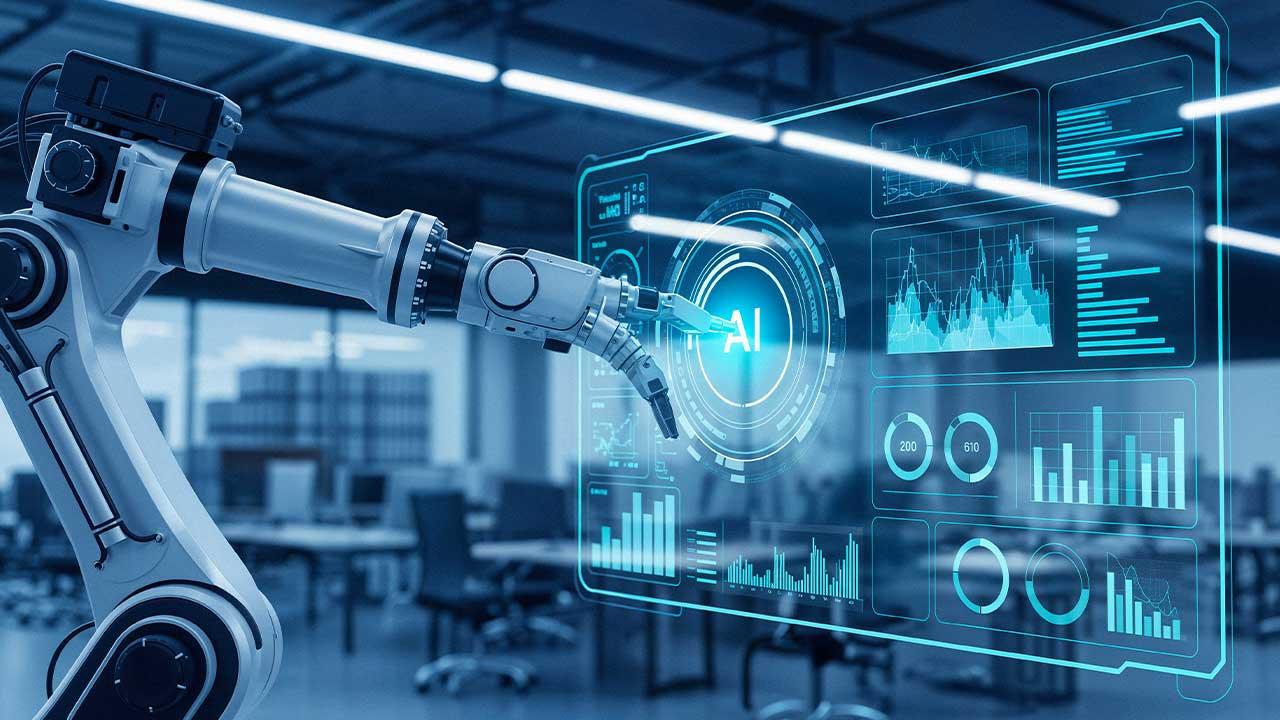
Future Outlook For European AI Companies
The latest acquisition signals that Europe’s AI sector may continue evolving beyond language models into broader industrial infrastructure solutions.
As the broader European AI expansion continues, companies like Mistral AI could become major competitors in industrial automation, enterprise intelligence, and engineering analytics markets.
Governments across Europe are also expected to continue supporting AI investments through public-private partnerships, research funding, and regulatory initiatives designed to strengthen regional technology capabilities.
Analysts believe industrial AI adoption could accelerate significantly during the remainder of the decade as businesses seek greater efficiency, automation, and predictive operational intelligence.
