
AI job replacement fears are increasing as companies expand automation across offices and digital industries in 2026.
Young workers and labor groups are raising concerns about employment stability and wage pressure.
Governments and economists are debating how artificial intelligence could reshape the global workforce.
AI job replacement concerns are growing rapidly across global labor markets as companies increase investments in artificial intelligence systems capable of automating tasks previously handled by human workers.
New York, United States (Parliament Politics Magazine) Businesses worldwide are accelerating adoption of AI-powered systems to improve productivity, reduce operational costs, and streamline digital services. However, economists and labor organizations warn that rapid automation could significantly reshape employment opportunities during the coming decade.
Artificial intelligence tools are increasingly performing functions involving customer support, data analysis, software coding, content creation, financial forecasting, and administrative operations. The trend has fueled growing public debate regarding the future of work and the long-term impact of automation on economic stability.
The expanding discussion surrounding AI job replacement reflects broader uncertainty about whether technological progress will create enough new opportunities to offset positions lost through automation.
“Artificial intelligence is transforming industries faster than many labor markets can adapt,”
one workforce economist said during a technology conference in New York.
Young Workers Express Growing Employment Concerns
Younger generations entering competitive job markets are increasingly worried about the effect automation could have on career development and long-term employment security.
The rise of AI job replacement has become especially controversial among students, recent graduates, and entry-level professionals who fear companies may reduce hiring for junior positions.
Many businesses are now using AI systems to automate research, scheduling, customer communication, marketing support, and administrative tasks traditionally assigned to younger employees.
Labor experts warn that fewer entry-level opportunities may weaken career advancement pathways for future workers.
Some young professionals argue that automation may widen economic inequality if corporations prioritize efficiency gains without investing in workforce development programs.
Technology Companies Continue Expanding AI Systems
Despite growing criticism, major technology firms continue investing billions of dollars into artificial intelligence infrastructure and software development.
The rapid expansion of AI job replacement trends is being driven by advances in machine learning, cloud computing, robotics, and generative AI systems.
Large corporations view AI as a tool capable of improving productivity while reducing long-term staffing costs.
Technology executives argue that automation can eliminate repetitive tasks and allow employees to focus on more strategic responsibilities.
However, labor advocates warn that many companies may use AI primarily to reduce payroll expenses rather than improve workplace conditions.
“The challenge is ensuring that innovation benefits workers rather than simply reducing labor costs,”
an international labor analyst explained.
White-Collar Industries Face Major Transformation
Automation is no longer limited to manufacturing jobs. AI-powered systems are increasingly entering white-collar professions including finance, media, education, healthcare, customer service, and software development.
The expansion of AI job replacement concerns reflects how rapidly digital automation is moving into knowledge-based industries.
Banks are deploying AI-driven customer support systems. Marketing firms are using automated content tools. Technology companies are integrating AI coding assistants into software development processes.
Even legal and accounting firms are experimenting with automated document review systems capable of handling tasks previously performed by junior employees.
Economists say this transformation could permanently change employment structures across multiple sectors.

Artificial Intelligence Reshapes Hiring Practices
Companies worldwide are increasingly using artificial intelligence tools for recruitment, resume screening, and employee performance analysis.
Critics argue that AI-driven hiring systems may unintentionally reinforce bias or reduce transparency in recruitment decisions.
The growing debate surrounding AI job replacement also includes concerns about workplace surveillance and automated productivity tracking systems.
Some labor organizations are calling for stronger regulations requiring companies to disclose when AI systems are involved in employment decisions.
Others believe governments should establish new labor protections to ensure workers displaced by automation receive retraining opportunities.
Universities Adapt to AI-Driven Economies
Educational institutions are now under pressure to prepare students for rapidly changing labor markets shaped by artificial intelligence technologies.
The rise of AI job replacement fears has encouraged universities to revise curriculums focused on technology literacy, critical thinking, and adaptive career skills.
Some schools are increasing emphasis on fields expected to remain difficult to automate, including healthcare, engineering leadership, psychology, and skilled technical trades.
Others are integrating AI-focused coursework designed to help students work alongside automated systems rather than compete directly against them.
Education experts say future workers may require continuous retraining throughout their careers as automation technologies continue evolving.
“The workforce of the future may need to adapt faster than any previous generation,”
a university labor researcher said during a policy forum.
Historical Cycles of Technological Workforce Disruption
Historical Cycles Table
| Era | Technological Shift | Employment Impact |
|---|---|---|
| 1800s | Industrial Revolution machinery | Factory labor displacement |
| 1900s | Assembly line automation | Manufacturing transformation |
| 2000s | Internet and outsourcing | Global labor restructuring |
| 2020s | Artificial intelligence systems | AI job replacement concerns |
Global Workforce Automation 2026
Data Snapshot
- Main Concern: Employment displacement
- Fastest Growing Technology: Generative artificial intelligence
- Key Industries Affected: Finance, media, customer service, technology
- Workforce Risk Area: Entry-level and repetitive digital jobs
- Corporate Goal: Productivity and cost reduction
- Government Focus: Retraining and labor protections
- Global Trend: Expanding workplace automation
Mental Health and Economic Stress Increase
Psychologists and labor experts warn that uncertainty surrounding automation may increase stress levels among workers already facing rising living costs and economic pressure.
The growing debate over AI job replacement is also influencing public trust in major technology companies and digital platforms.
Some younger employees say constant discussions about automation create anxiety regarding long-term career stability.
Mental health researchers believe organizations introducing AI systems should prioritize communication, retraining support, and workforce inclusion strategies.
Experts warn that poorly managed automation transitions could reduce employee morale and increase workplace dissatisfaction.
Governments Review AI Regulation and Labor Policies
Governments worldwide are now examining how automation may affect employment markets, tax structures, and economic stability.
The expansion of AI job replacement discussions has increased pressure on lawmakers to establish clear regulations involving artificial intelligence deployment and workforce protections.
Several countries are exploring retraining programs aimed at helping displaced workers transition into emerging industries.
Others are considering rules requiring companies to disclose automated decision-making systems used in hiring and workplace management.
Policy analysts say balancing technological innovation with employment stability may become one of the defining economic challenges of the decade.
Global Businesses Face Growing Public Scrutiny
Public skepticism toward automation is increasing as corporations continue replacing certain tasks with AI-powered systems.
The growing visibility of AI job replacement fears reflects broader concerns regarding economic inequality, corporate accountability, and workforce sustainability.
Younger generations increasingly expect businesses to prioritize ethical technology deployment and long-term workforce investment.
Some analysts believe companies ignoring these concerns could face reputational risks and stronger political pressure in the future.
Technology leaders may therefore need to balance innovation goals with public trust and labor stability.
Future of Work May Depend on Human and AI Collaboration
Despite concerns surrounding automation, many economists believe artificial intelligence will also create new industries and employment opportunities.
The debate surrounding AI job replacement increasingly centers on whether societies can adapt quickly enough to changing economic conditions.
Experts say future labor markets may focus more heavily on creativity, strategic thinking, emotional intelligence, and complex decision-making skills that remain difficult to automate.
At the same time, AI systems are expected to continue expanding across industries seeking efficiency and scalability.
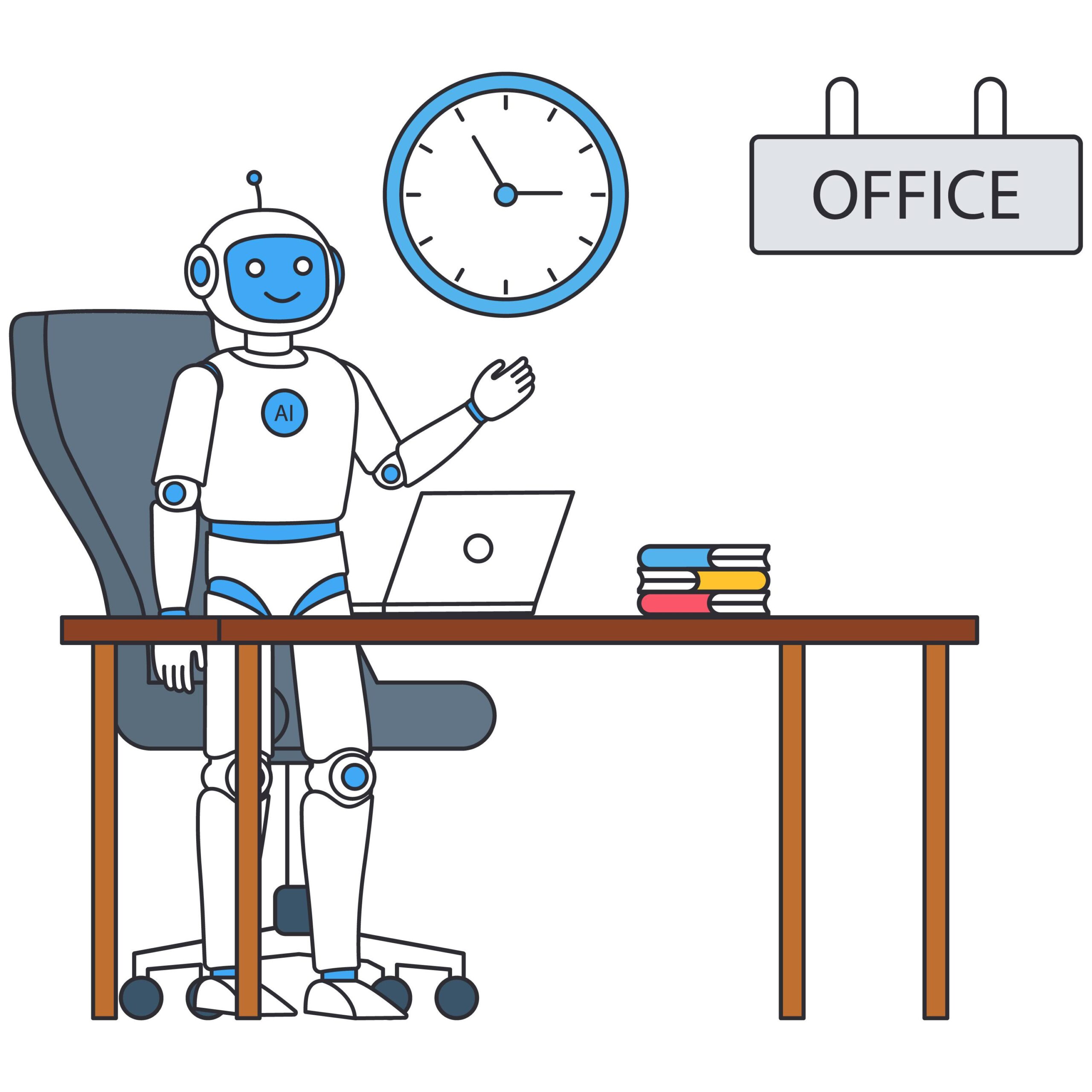
Automation Debate Moves Into Mainstream Society
The global conversation surrounding artificial intelligence is no longer limited to technology experts and software developers.
The rise of AI job replacement fears demonstrates how automation is becoming a major social, economic, and political issue affecting workers worldwide.
As companies continue integrating AI systems into daily operations, governments, educational institutions, and labor organizations may face growing pressure to develop strategies protecting workforce stability while supporting innovation.
The future of work could ultimately depend on how effectively societies balance automation efficiency with human opportunity.