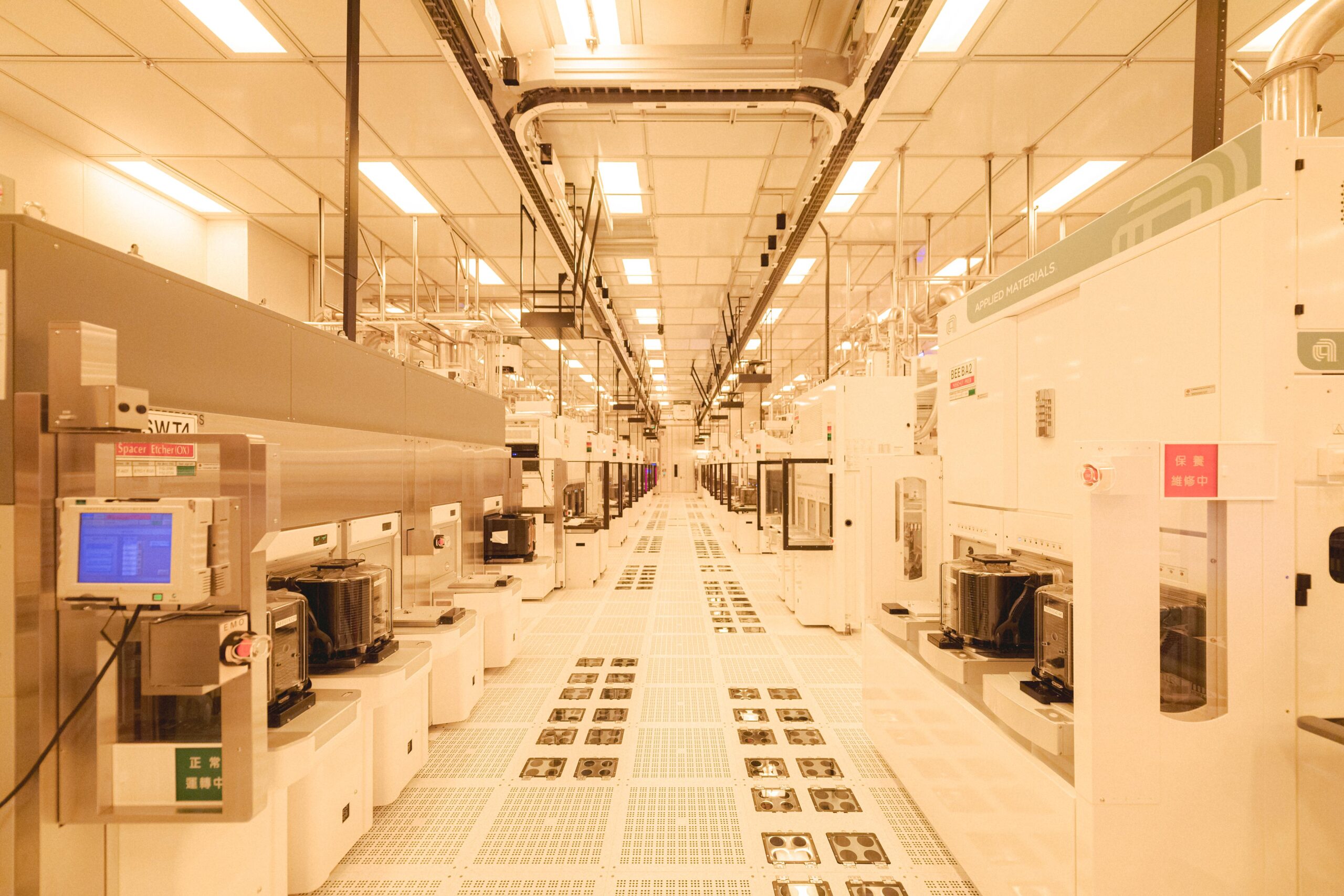
Taiwan chip manufacturing remains critical to the global semiconductor supply chain in 2026.
A major trade secrets ruling involving Tokyo Electron Taiwan and TSMC is drawing international attention.
Analysts say the dispute highlights growing pressure over AI chips, security, and technology leadership.
TAIPEI, Taiwan (Parliament Politics Magazine) Taiwan chip manufacturing is once again at the center of the global technology industry after Tokyo Electron’s Taiwan unit announced it would not appeal a court ruling tied to a trade secrets dispute involving Taiwan Semiconductor Manufacturing Company (TSMC). The decision has intensified discussion surrounding intellectual property protections, semiconductor competition, and the future of advanced chip production across Asia.
The ruling arrives during a period of unprecedented demand for artificial intelligence processors, data center chips, and next-generation computing hardware. Taiwan chip manufacturing continues to dominate global semiconductor production, making every major legal or operational development on the island closely watched by investors, governments, and technology companies worldwide.
“The semiconductor industry now represents both economic power and national security,”
said one Taipei-based semiconductor strategist.
Industry analysts believe the latest legal development could influence how technology firms manage confidential manufacturing data, supplier relationships, and engineering access in the years ahead.
Taiwan Semiconductor Industry 2026
| Category | 2026 Snapshot |
|---|---|
| Global Semiconductor Hub | Taiwan |
| Leading Chipmaker | TSMC |
| Key Industry Focus | AI and Advanced Chips |
| Major Concern | Trade Secret Protection |
| Main Market Drivers | AI, Cloud Computing, EVs |
| Regional Competitors | China, South Korea, Japan |
| Key Technology Area | Advanced Semiconductor Manufacturing |
| Investor Focus | Supply Chain Stability |
Tokyo Electron Taiwan Decision Reduces Legal Uncertainty
Tokyo Electron Taiwan confirmed it would accept the court’s decision rather than continue the dispute through additional appeals. The move helped reduce uncertainty surrounding the case and allowed investors to shift attention back toward broader semiconductor growth trends.
The dispute focused on allegations involving sensitive semiconductor manufacturing information. While details remain legally sensitive, the case reinforced growing concerns about protecting advanced engineering processes inside one of the world’s most competitive industries.
Taiwan chip manufacturing relies heavily on proprietary research, specialized production methods, and highly confidential process technologies. Industry experts say those assets are now more valuable than ever because of exploding global demand for advanced chips used in artificial intelligence systems.
“Protecting semiconductor innovation has become one of the industry’s highest priorities,”
a regional technology consultant said after the ruling.
Why Taiwan Remains Essential to Global Semiconductor Supply Chains
Taiwan continues holding a dominant position in advanced semiconductor fabrication. Major technology brands worldwide depend on Taiwanese foundries for processors powering smartphones, AI systems, automotive electronics, and cloud computing infrastructure.
Taiwan chip manufacturing plays a central role in global economic stability because advanced semiconductors now support nearly every major technology sector.
Industry observers note that the island’s semiconductor ecosystem includes chip designers, manufacturing specialists, equipment suppliers, logistics providers, and research institutions working together at an unmatched scale.
The latest legal developments highlight how interconnected the semiconductor sector has become. Even disputes involving suppliers and trade secrets can affect investor sentiment and broader market confidence.
Historical Cycles of Taiwan’s Semiconductor Growth
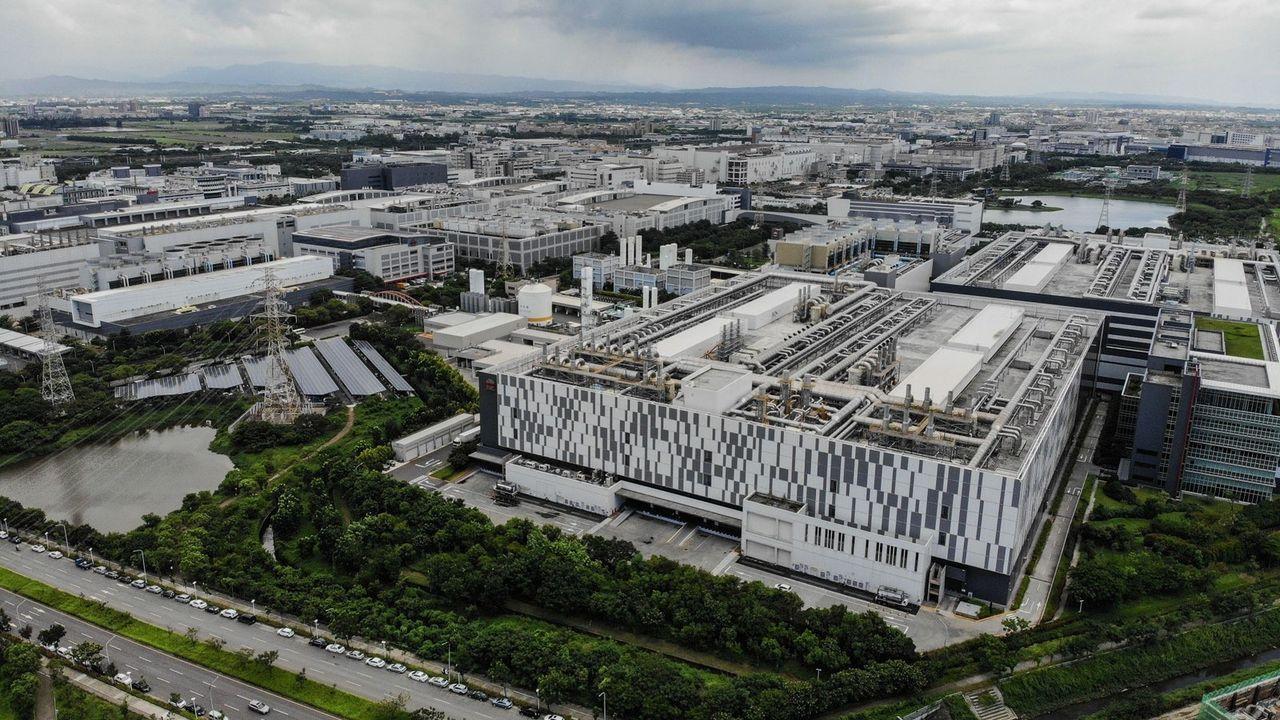
Taiwan’s rise as a semiconductor powerhouse did not happen overnight. Decades of investment, engineering talent, and government-backed industrial development transformed the island into a critical technology hub.
Historical Cycles Table
| Era | Industry Development | Global Impact |
| 1980s | Semiconductor foundations established | Taiwan enters global electronics market |
| 1990s | Foundry manufacturing expands | International chip production increases |
| 2000s | Advanced fabrication leadership grows | Taiwan becomes major global supplier |
| 2010s | Smartphone chip demand surges | Semiconductor exports accelerate |
| 2020s | AI and data center growth dominate | Taiwan becomes critical to AI economy |
| 2026 | Trade secret protections intensify | Global focus on technology security |
The historical growth of Taiwan chip manufacturing demonstrates how semiconductor technology became one of the most strategically important industries in the world.
AI Demand Is Reshaping the Semiconductor Industry
Artificial intelligence continues driving enormous demand for advanced semiconductors. AI data centers require powerful processors capable of handling complex machine-learning tasks at massive scale.
Taiwan chip manufacturing remains heavily connected to this growth because Taiwanese foundries produce many of the world’s most advanced chips.
As AI investment accelerates globally, semiconductor companies are racing to expand manufacturing capacity while protecting sensitive technology from leaks or unauthorized access.
Governments worldwide are also increasing investments in domestic chip production to reduce dependence on overseas manufacturing. Despite those efforts, Taiwan remains central to the global semiconductor ecosystem.
Trade Secret Protection Becoming a Strategic Priority
The Tokyo Electron Taiwan ruling reflects a broader shift happening across the semiconductor industry. Companies are placing greater emphasis on protecting engineering knowledge, manufacturing techniques, and production software systems.
Semiconductor manufacturing requires years of research and billions of dollars in investment. Even small technological advantages can provide major competitive benefits.
Taiwan chip manufacturing companies now face growing pressure to strengthen cybersecurity systems, employee access controls, and internal compliance procedures.
Legal experts say trade secret disputes are becoming more common as advanced semiconductor technologies grow increasingly valuable.
“Semiconductor leadership depends on protecting innovation as much as creating it,”
said an Asia-Pacific market analyst.
Global Markets Closely Watching Taiwan Semiconductor Developments
Financial markets remain highly sensitive to developments involving Taiwan’s technology industry. Semiconductor stocks often react quickly to legal disputes, geopolitical tensions, or manufacturing disruptions.
The Tokyo Electron Taiwan announcement helped calm some investor concerns by signaling the dispute may now move toward resolution rather than prolonged litigation.
Taiwan chip manufacturing remains one of the most important sectors for global economic growth because advanced chips are essential for artificial intelligence, cloud infrastructure, electric vehicles, defense systems, and consumer electronics.
Analysts believe Taiwan’s semiconductor sector will remain under intense international focus throughout 2026.
Semiconductor Competition Intensifies Across Asia
Countries throughout Asia continue investing heavily in semiconductor production and research capabilities. China, South Korea, Japan, and Taiwan are all competing for leadership in advanced chip manufacturing.
Despite rising competition, Taiwan chip manufacturing continues holding major advantages in advanced process technologies and manufacturing expertise.
Industry leaders say maintaining that leadership will require continued investment in research, workforce development, and intellectual property protection.
Taiwan’s semiconductor companies are also expanding globally while maintaining strong domestic operations.
Outlook for Taiwan’s Semiconductor Industry in 2026
The long-term outlook for Taiwan’s semiconductor industry remains strong despite legal and geopolitical challenges. Demand for advanced chips continues growing rapidly across multiple industries.
Taiwan chip manufacturing is expected to remain central to artificial intelligence expansion, cloud computing growth, and next-generation electronics development for years ahead.
Industry experts believe future growth will depend not only on manufacturing capacity but also on protecting innovation and maintaining global trust within supply chains.
The Tokyo Electron Taiwan decision may close one legal chapter, but broader concerns surrounding semiconductor security and intellectual property protection are expected to remain major industry issues moving forward.

Taiwan Chip Manufacturing Faces Global Test Taipei 2026
Taiwan chip manufacturing continues standing at the center of the global technology economy in 2026. The Tokyo Electron Taiwan legal decision involving TSMC highlights how valuable semiconductor technologies have become as artificial intelligence reshapes industries worldwide.
While Taiwan remains dominant in advanced chip production, growing competition, trade secret concerns, and geopolitical pressure are creating new challenges for semiconductor companies operating on the island.
For investors, governments, and technology firms, the future of Taiwan’s semiconductor sector may influence not only economic growth but also global technological leadership for decades to come.