


Global orbital launch activity is rapidly expanding as commercial and government missions increase in 2026.
SpaceX and other aerospace companies are driving higher launch frequencies with reusable rocket systems.
Analysts say orbital launch growth could reshape communications, defense, and global technology markets.
TEXAS, United States (Parliament Politics Magazine) orbital launch growth is becoming one of the defining trends in the global aerospace sector as commercial rocket companies, government agencies, and defense contractors rapidly expand launch operations. Industry analysts say increasing launch frequency is transforming the economics of space transportation while reshaping satellite communications, defense infrastructure, and international technology competition.
The surge in rocket missions follows years of investment in reusable launch systems, private aerospace development, and global satellite deployment programs. Companies including SpaceX continue leading the expansion, while governments worldwide accelerate their own space strategies to remain competitive.
Experts believe the pace of innovation could permanently alter how nations approach communications, navigation, weather forecasting, internet access, and national security systems.
“The space industry is no longer operating on occasional launches,”
one aerospace consultant said.
“We are entering an era of industrial-scale launch operations.”
Global Space Industry Expansion
| Sector Indicator | 2026 Outlook |
|---|---|
| Commercial Rocket Launches | Rising sharply |
| Satellite Deployment Demand | Record growth |
| Reusable Rocket Missions | Expanding globally |
| Private Aerospace Investment | Multi-billion-dollar increase |
| Government Space Contracts | Increasing worldwide |
| Launch Infrastructure Projects | Accelerating in multiple regions |
Reusable Rockets Fuel Higher Launch Frequency
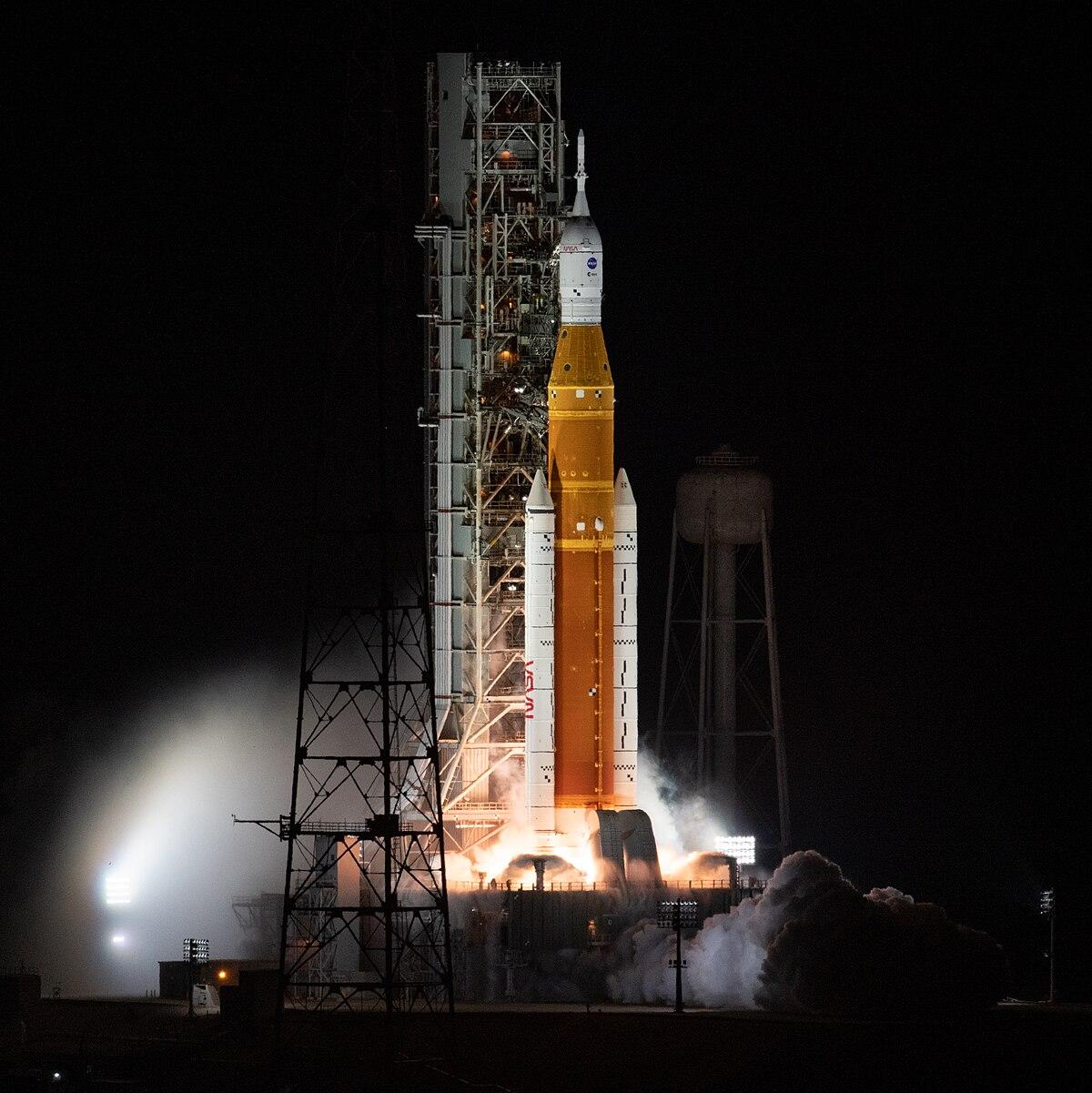
One of the biggest drivers behind orbital launch growth is the widespread adoption of reusable rocket technology. Instead of discarding boosters after a single mission, aerospace companies now recover and reuse major rocket components multiple times.
The innovation dramatically reduces operational costs while allowing companies to increase launch schedules far beyond historical averages.
Space industry analysts say reusable systems are creating a major shift similar to the transformation commercial aviation experienced decades ago.
Modern launch systems now support:
- Satellite deployment
- Cargo transport missions
- Defense operations
- Deep-space research
- Lunar exploration programs
- Commercial communications infrastructure
The rapid increase in launch capability has intensified competition among both private companies and national space agencies.
Satellite Demand Continues Rising Worldwide
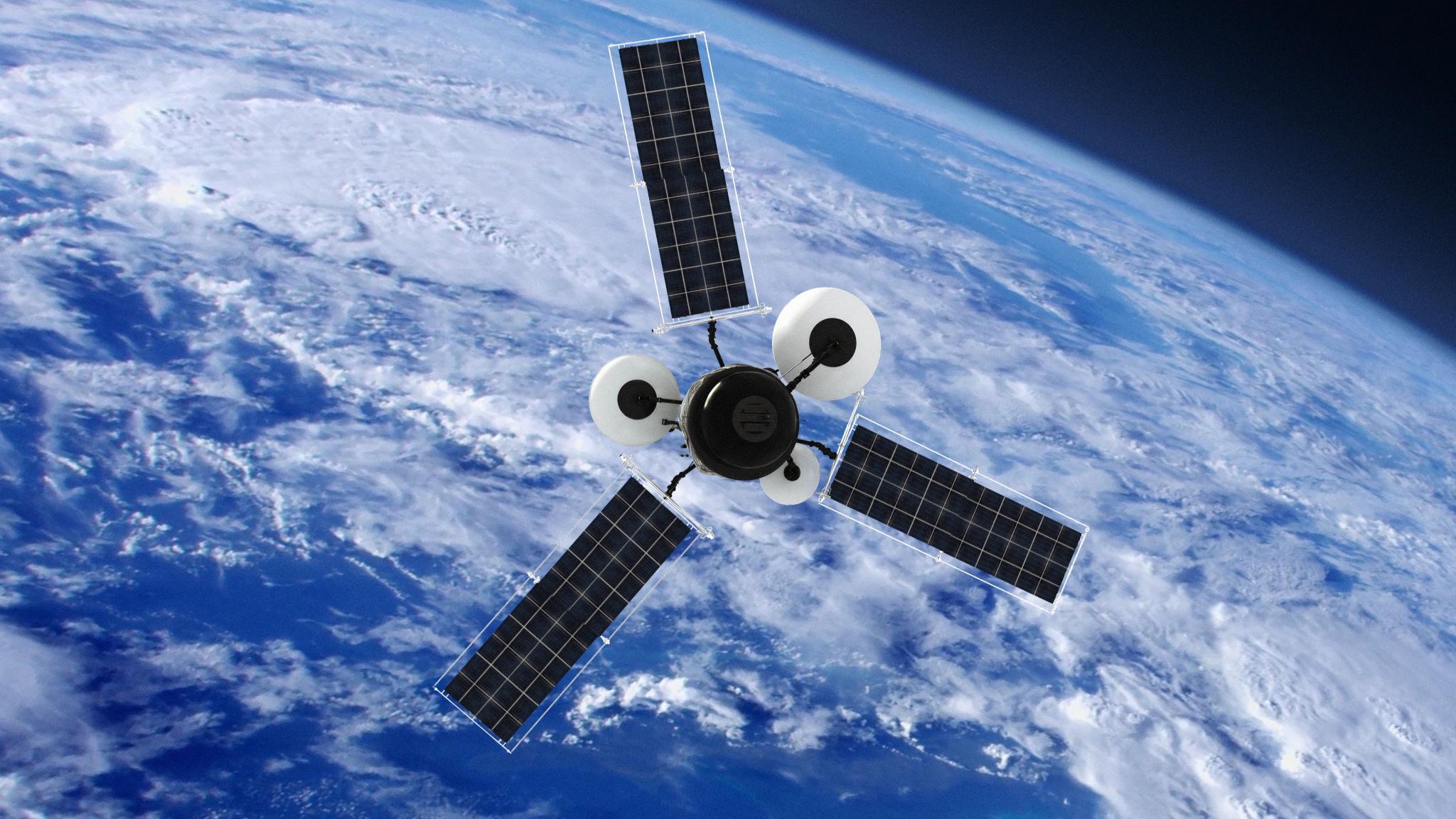
The expansion of global internet networks and communications systems is significantly contributing to orbital launch growth in 2026.
Thousands of satellites are now required for:
- Broadband internet coverage
- Navigation systems
- Weather forecasting
- Military communications
- Financial transaction infrastructure
- Remote sensing technology
Industry experts say satellite demand could continue increasing for years as governments and corporations seek faster global connectivity and real-time data systems.
Large-scale satellite constellations are becoming central to future communications infrastructure, especially in remote and underserved regions.
“Space-based communications are evolving into critical infrastructure,”
a technology strategist said during a recent aerospace conference.
Government Agencies Increase Space Investment
National governments are also accelerating launch programs amid growing geopolitical competition in space.
Countries including the United States, China, India, and members of the European space sector continue investing heavily in launch capabilities and orbital infrastructure.
Defense agencies increasingly view space assets as essential components of national security planning.
This growing competition is helping fuel continued orbital launch growth across the global aerospace industry.
Government priorities now include:
- Missile detection systems
- Military satellite networks
- Intelligence gathering
- Space-based navigation
- Lunar exploration initiatives
- Strategic orbital positioning
Analysts say geopolitical competition could further accelerate launch activity during the next decade.
Commercial Spaceports Expanding Rapidly
Launch infrastructure is evolving rapidly to support increasing mission frequency.
Several regions are investing in:
- New launch pads
- Rocket testing facilities
- Aerospace manufacturing centers
- Recovery operations infrastructure
- Satellite integration facilities
Texas and Florida remain central hubs for U.S. launch operations, though other regions are also seeking to attract aerospace investment.
Economic development officials view launch operations as long-term growth opportunities capable of generating high-paying engineering and technology jobs.
The expansion of commercial launch infrastructure reflects the broader industrialization of space transportation.
Environmental Concerns Emerge Alongside Expansion
While industry growth continues accelerating, environmental groups and local communities are raising concerns regarding the long-term impact of increased rocket activity.
Questions surrounding emissions, wildlife disruption, noise pollution, and coastal environmental effects continue gaining attention.
Regulators face increasing pressure to balance innovation with public safety and environmental oversight.
Some experts warn that continued orbital launch growth could require stricter international environmental standards in the future.
Current debates focus on:
- Atmospheric emissions
- Fuel sustainability
- Marine ecosystem protection
- Airspace management
- Public safety protocols
The discussion is expected to intensify as launch frequency continues increasing worldwide.
Aerospace Investors Watching Industry Closely
Financial markets are paying close attention to developments within the commercial space economy.
Investors increasingly see aerospace technology as a long-term growth sector connected to:
- Artificial intelligence
- Communications infrastructure
- Defense systems
- Global internet expansion
- Satellite manufacturing
- Data analytics industries
Private capital flowing into launch startups and satellite companies has surged in recent years.
Market analysts believe continued orbital launch growth may create significant economic opportunities across multiple industries beyond aerospace itself.
Historical Evolution of Global Launch Activity
The modern launch industry has evolved dramatically during the past several decades.
Historical Cycles of Space Launch Expansion
| Era | Industry Trend | Key Development |
|---|---|---|
| 1960s | Government-led missions | Space race begins |
| 1980s | Shuttle-era operations | Expanded orbital missions |
| 1990s | Commercial satellites emerge | Telecom growth accelerates |
| 2000s | Private aerospace expansion | Startup launch companies appear |
| 2010s | Reusable rockets introduced | Costs decline significantly |
| 2020s | High-frequency launch era | Commercial launch boom |
The current stage of orbital launch growth represents the largest commercial expansion in modern aerospace history.
Defense and National Security Priorities Expanding
Military demand for orbital infrastructure continues rising globally.
Governments increasingly rely on space systems for:
- Surveillance operations
- Navigation accuracy
- Missile tracking
- Cybersecurity support
- Tactical communications
This strategic importance has elevated the role of launch providers within defense planning.
Some analysts believe the future of national security will depend heavily on orbital infrastructure resilience and rapid deployment capability.
“Who controls launch access may ultimately control future communications and intelligence systems,”
one defense expert stated.
Technology Innovation Driving Faster Development
Rapid innovation across the aerospace sector continues accelerating launch capabilities.
Advanced manufacturing systems, artificial intelligence integration, autonomous recovery operations, and improved propulsion systems are reducing operational barriers.
Several aerospace firms are now exploring:
- Fully reusable heavy-lift systems
- Orbital cargo transport
- Lunar supply missions
- Deep-space exploration vehicles
The technology race surrounding orbital launch growth is expected to intensify as governments and private companies compete for dominance in the expanding space economy.
Regulatory Challenges Could Shape Future Expansion
Despite rapid progress, regulatory complexity remains one of the largest challenges facing the industry.
Launch approvals involve:
- Environmental assessments
- Airspace coordination
- Safety reviews
- Maritime restrictions
- International compliance requirements
As launch frequency increases, regulators may need to modernize approval systems to handle industrial-scale operations more efficiently.
Industry leaders argue outdated regulatory frameworks could eventually slow innovation if approval timelines fail to adapt.
What Comes Next for the Space Industry
The next five years may determine whether commercial space operations evolve into a routine global transportation network.
Analysts expect:
- More frequent launches
- Larger satellite constellations
- Expanded lunar missions
- Increased military space operations
- Greater international competition
Many experts believe orbital launch growth will remain one of the most important technology and infrastructure stories of the decade.
The expansion is already reshaping how industries, governments, and investors view the future of communications and transportation systems.
