

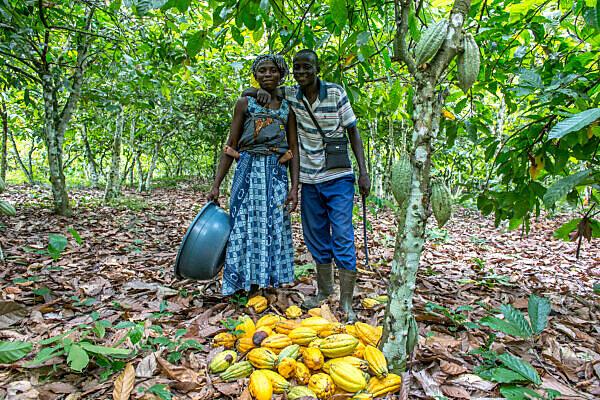
Ivory Coast expects stronger cocoa harvests during the 2025/26 season, according to regulators.
The cocoa production forecast may improve global supply conditions after recent price volatility.
Analysts say weather stability and farming investments remain critical for long-term market growth.
Abidjan, Ivory Coast (Parliament Politics Magazine) cocoa production forecast reports are drawing global attention after Ivory Coast regulators projected a 10.5% increase in cocoa output for the 2025/26 season. The expected production rise could influence international commodity markets because Ivory Coast remains the world’s largest cocoa-producing country and a major supplier for global chocolate manufacturers.
Commodity analysts say improved harvest expectations may help stabilize portions of the international cocoa market after recent supply shortages, weather disruptions, and rising prices increased concerns throughout the food industry.
Agricultural experts believe stronger farming conditions and production management efforts are contributing to more optimistic outlooks for the upcoming season.
“Global chocolate markets closely follow every cocoa production forecast coming from West Africa because the region dominates world supply,”
one agricultural commodities analyst said.
Data Snapshot Section
| Category | Details |
|---|---|
| Industry | Agriculture & Commodities |
| Main Trend | Cocoa harvest growth |
| Focus Area | cocoa production forecast |
| Location | Abidjan, Ivory Coast |
| Year | 2026 |
| Expected Output Growth | 10.5% |
| Main Concern | Global cocoa supply stability |
| Key Market Impact | Potential influence on chocolate prices |
Global Commodity Markets Monitor Cocoa Supply Closely
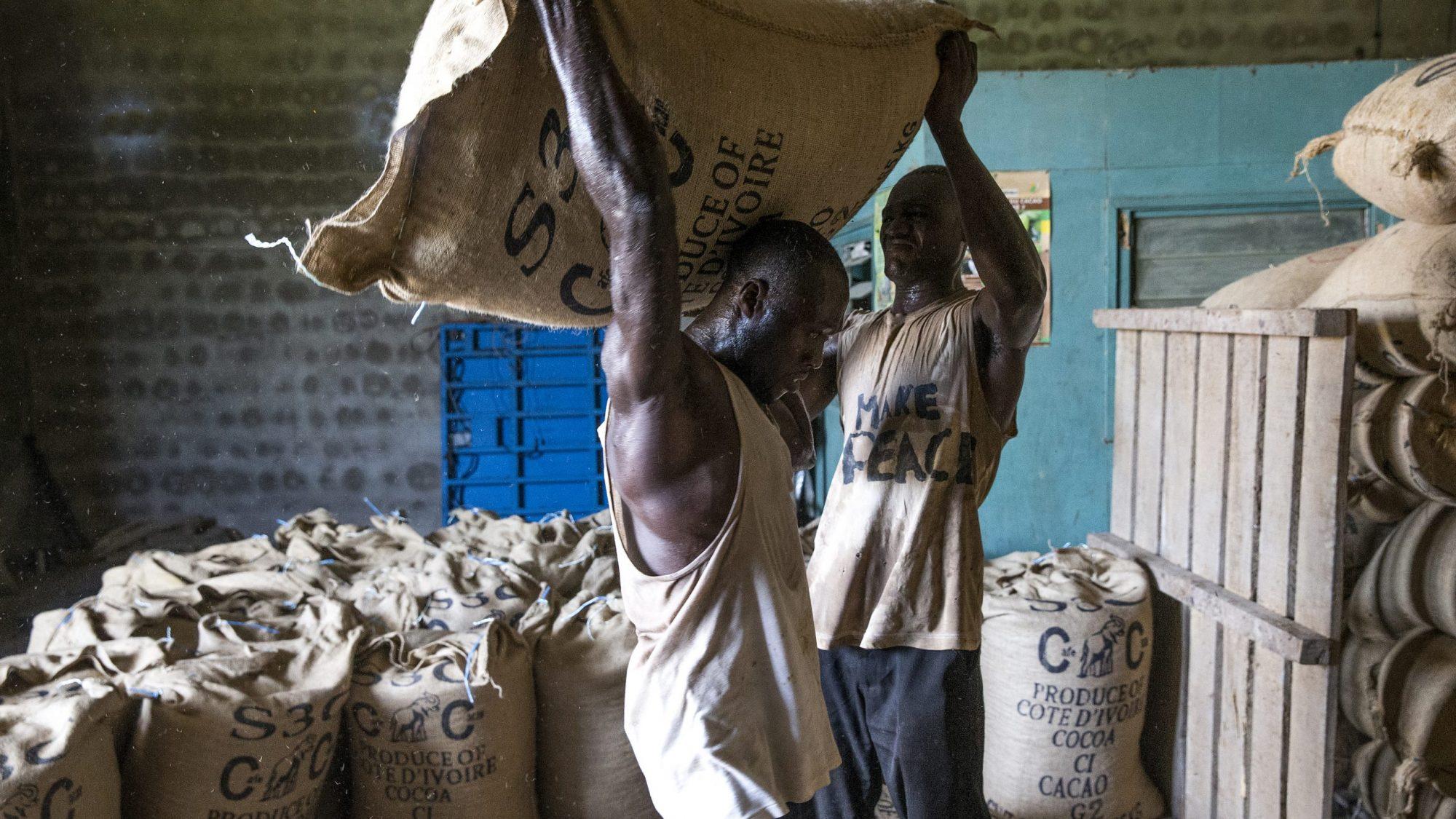
International commodity traders continue monitoring cocoa production expectations because global chocolate manufacturers depend heavily on stable West African supply chains.
The latest cocoa production forecast may improve market confidence after recent concerns involving:
- Weather-related crop disruptions
- Rising cocoa prices
- Export delays
- Agricultural disease risks
- Global supply shortages
Cocoa prices experienced significant volatility during previous harvest cycles as traders reacted to uncertainty surrounding crop conditions across major producing regions.
Market analysts say stronger output expectations could ease some pressure within global chocolate manufacturing supply chains if favorable growing conditions continue throughout the season.
Ivory Coast Maintains Critical Role in Chocolate Industry
Ivory Coast remains the largest cocoa-producing nation globally and supplies a major share of the world’s cocoa exports each year.
The cocoa industry supports:
- Rural employment
- Agricultural export revenue
- National economic growth
- Global chocolate manufacturing
The newest cocoa production forecast is therefore considered highly significant not only for Ivory Coast’s economy but also for international food and commodity markets.
Government officials continue emphasizing efforts to improve farming productivity while supporting agricultural sustainability programs throughout cocoa-producing regions.
The cocoa sector remains one of the most important foundations of the country’s export economy.
Weather Conditions Continue Influencing Cocoa Harvests
Weather remains one of the most important factors affecting cocoa farming performance across West Africa.
Cocoa crops are highly sensitive to:
- Rainfall levels
- Temperature conditions
- Soil quality
- Seasonal climate shifts
- Disease outbreaks
The current cocoa production forecast partly reflects expectations for improved weather conditions during the upcoming harvest cycle.
However, agricultural researchers continue warning that climate volatility remains a long-term risk for cocoa-producing nations.
Farmers throughout the region are increasingly investing in improved crop management techniques and climate adaptation strategies to protect future harvest stability.
“Weather consistency remains essential for maintaining strong cocoa yields across West Africa,”
one agricultural researcher explained.
Chocolate Manufacturers Watch Market Developments Carefully
International chocolate companies continue closely monitoring cocoa production data because raw material availability directly affects:
- Manufacturing costs
- Retail pricing
- Supply chain reliability
- Product availability
The latest cocoa production forecast may help reduce concerns surrounding cocoa supply shortages that contributed to higher prices in portions of the global food market during recent seasons.
Large food manufacturers remain heavily dependent on Ivory Coast and neighboring countries for cocoa bean supply due to the region’s dominant position within the global market.
Commodity specialists believe cocoa pricing may remain volatile depending on weather performance and export conditions throughout the harvest season.
Historical Growth of Global Cocoa Markets
Historical Cycles of Cocoa Industry Expansion
| Era | Industry Development | Global Impact |
|---|---|---|
| 1960s | Export market growth | Expanded cocoa trade |
| 1980s | Industrial chocolate expansion | Rising cocoa demand |
| 1990s | Global food distribution | Larger international supply chains |
| 2000s | Emerging market consumption | Increased chocolate sales |
| 2020s | Climate and supply concerns | Greater market volatility |
The latest cocoa production forecast reflects broader efforts to stabilize agricultural production as global demand for cocoa-based products continues rising.
Commodity historians note that cocoa markets have historically experienced cycles of expansion and disruption influenced by weather, economics, and consumer demand trends.
Farmers Continue Facing Financial Pressure
Despite expectations for stronger production, cocoa farmers continue dealing with rising operational costs involving:
- Fertilizer prices
- Transportation expenses
- Labor costs
- Crop disease prevention
- Infrastructure challenges
The improved cocoa production forecast may strengthen export revenues, but many agricultural communities still face profitability concerns.
Industry groups continue advocating for policies that improve farmer income stability while encouraging long-term agricultural sustainability investments.
Some economists warn that stronger production alone may not fully resolve financial pressures facing rural farming communities.
Sustainability and Environmental Concerns Grow
Global food companies increasingly focus on sustainability standards tied to cocoa sourcing and agricultural supply chains.
Major concerns include:
- Deforestation risks
- Ethical labor practices
- Climate resilience
- Supply chain transparency
- Long-term farming sustainability
The latest cocoa production forecast arrives amid increasing pressure on cocoa-producing regions to balance production growth with environmental protection efforts.
International chocolate companies continue investing in sustainability partnerships designed to improve farming conditions and strengthen long-term supply security.
“Sustainable cocoa production is becoming increasingly important for maintaining global supply stability,”
one agricultural sustainability expert stated.
Global Traders Continue Monitoring West African Exports
Commodity markets remain highly sensitive to developments involving cocoa exports from West Africa because the region dominates worldwide production.
Traders continue analyzing:
- Harvest performance
- Export shipment data
- Weather forecasts
- Government agricultural policies
- Supply chain conditions
The newest cocoa production forecast may influence commodity trading activity throughout the 2025/26 harvest cycle as investors evaluate potential supply improvements.
Even modest changes in Ivory Coast production levels can significantly affect international cocoa futures pricing.
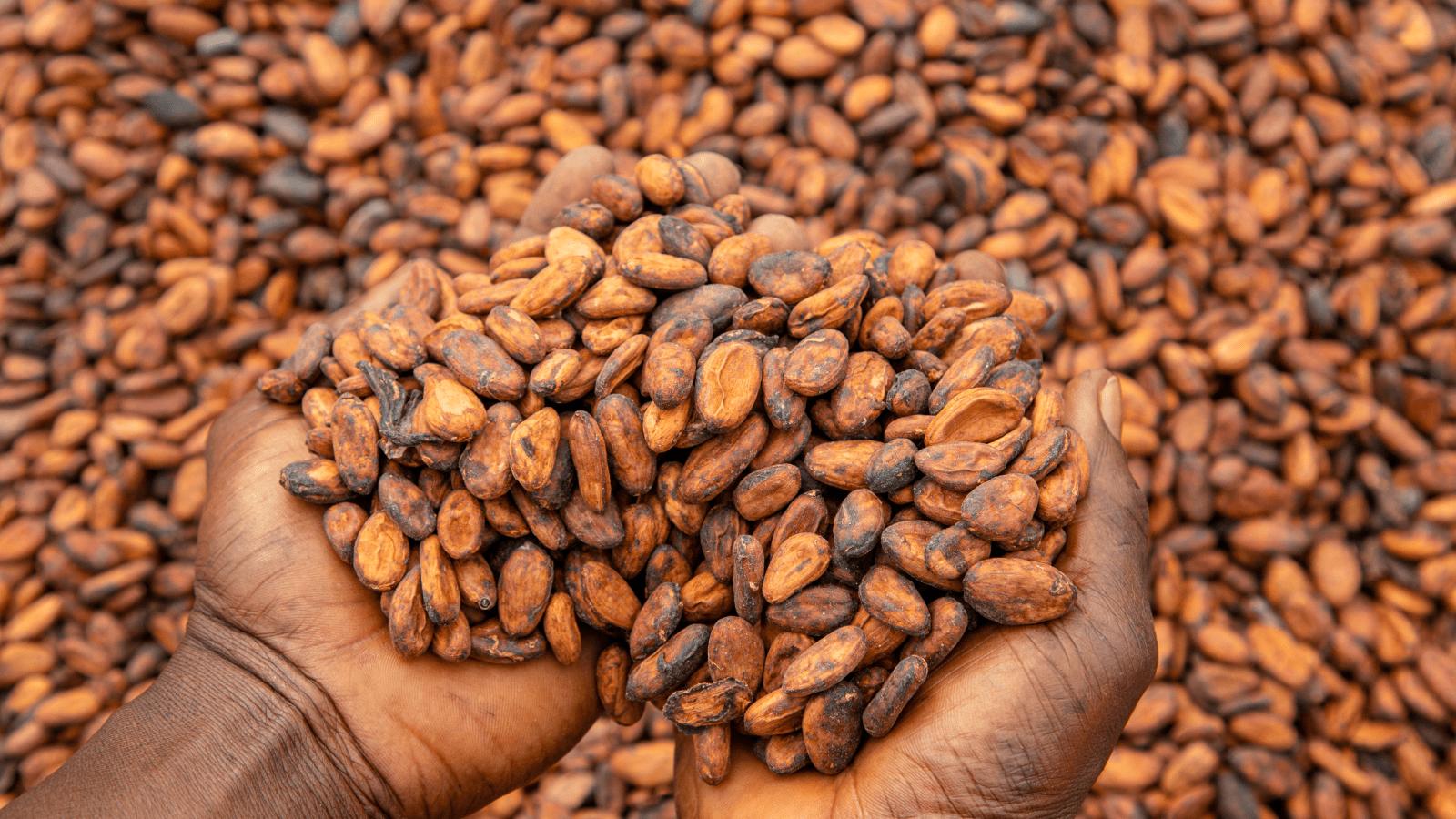
Agricultural Investment Expected to Expand Further
Agricultural analysts believe cocoa-producing nations may continue increasing investments in:
- Modern farming systems
- Irrigation infrastructure
- Climate adaptation programs
- Disease-resistant crops
- Export transportation networks
The strong cocoa production forecast reflects broader efforts to strengthen agricultural resilience while maintaining Ivory Coast’s leadership position within global cocoa markets.
Industry leaders believe technology adoption and sustainability investments may play increasingly important roles in future harvest growth.