

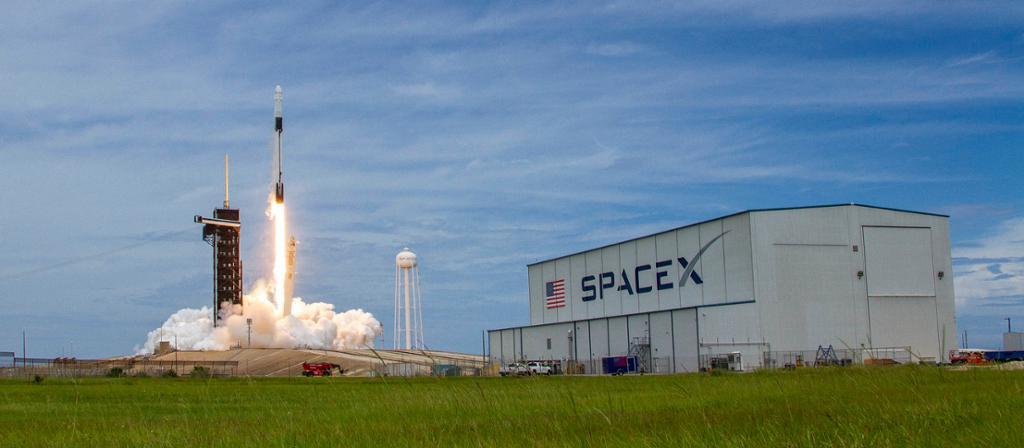
Texas launch facility operations are under intense global focus after SpaceX delayed an upgraded Starship launch attempt.
Engineers are preparing another test window as commercial spaceflight competition accelerates worldwide.
The facility remains central to future Moon missions, Mars exploration, and reusable rocket development.
STARBASE, Texas (Parliament Politics Magazine) Texas launch facility operations are drawing intense global attention after SpaceX scrubbed the latest launch attempt of its upgraded Starship spacecraft, delaying one of the most closely watched aerospace missions of the year.
The postponed launch has once again placed the South Texas spaceport at the center of the rapidly expanding commercial space industry. Engineers are now preparing another test attempt expected Friday following technical reviews and system evaluations conducted during the final countdown sequence.
The facility has become one of the world’s most important aerospace development centers as SpaceX continues testing reusable spacecraft technology designed for future Moon missions, Mars exploration, and large-scale commercial space transportation.
Texas Launch Facility 2026
| Category | Current Status |
|---|---|
| Facility Location | Starbase, Texas |
| Main Operator | SpaceX |
| Mission Status | Launch Delayed |
| Retry Window | Friday |
| Program Focus | Starship Development |
| Global Industry Impact | High |
Launch Delay Highlights Aerospace Engineering Complexity
The recent delay involving the Texas launch facility demonstrates the enormous technical challenges connected to next-generation rocket systems and reusable spacecraft development.
Rocket launches require precise coordination between propulsion systems, flight computers, fuel operations, communication networks, weather conditions, and safety monitoring systems. Even small irregularities detected during final preparations can force mission teams to delay launch attempts.
Industry analysts say launch postponements remain common during experimental spacecraft testing because safety and reliability remain critical priorities for aerospace engineers.
The upgraded Starship vehicle involved in the latest mission reportedly includes several modifications intended to improve long-term spacecraft performance and operational reliability.
“Modern spaceflight systems operate at the edge of engineering possibility,”
one aerospace analyst explained.
SpaceX Expands Strategic Role in Commercial Spaceflight
The growing importance of the Texas launch facility reflects how rapidly commercial aerospace companies are reshaping global space exploration and satellite deployment industries.
SpaceX founder Elon Musk has repeatedly described Starship as essential to future interplanetary transportation systems and long-term human settlement goals beyond Earth.
The Starship program aims to create a fully reusable spacecraft capable of dramatically reducing launch costs while carrying larger payloads than existing rocket systems.
The Texas facility serves as the primary testing and development center for these ambitions, attracting worldwide interest from investors, governments, engineers, and aerospace researchers.
Starship Program Drives Massive Industry Attention
The ongoing activity surrounding the Texas launch facility continues generating widespread media coverage because Starship remains one of the largest and most ambitious aerospace programs currently under development.
The spacecraft is designed to support deep-space exploration, cargo transportation, satellite deployment, lunar landings, and future Mars missions. NASA is also expected to use modified Starship systems for portions of future Artemis lunar operations.
Each launch attempt provides valuable engineering data even when missions are delayed or partially successful.
Aerospace experts say repeated testing cycles remain necessary for improving reusable rocket systems and long-term mission safety.
Texas Space Infrastructure Continues Expanding
The rapid growth of the Texas launch facility has transformed portions of South Texas into one of the fastest-growing aerospace development regions in the United States.
SpaceX continues investing heavily in launch infrastructure, testing facilities, engineering operations, manufacturing systems, and support buildings surrounding the Starbase complex.
The expansion has increased economic activity tied to aerospace engineering, tourism, construction, and advanced manufacturing across the surrounding region.
Industry analysts believe Texas may continue strengthening its role as a major center for future commercial spaceflight operations and aerospace investment.
Commercial Space Competition Intensifies Worldwide
The global commercial space industry has become increasingly competitive as private companies and governments race to expand launch capabilities and satellite infrastructure.
The latest developments involving the Texas launch facility arrive during rising global investment tied to reusable rockets, defense-related space systems, satellite communications, and deep-space exploration.
Although SpaceX currently dominates many portions of the commercial launch market, several aerospace companies continue developing competing launch technologies aimed at reducing costs and increasing launch frequency.
Future competition may increasingly focus on spacecraft reusability, operational efficiency, payload capacity, and long-term deep-space transportation capabilities.
“The commercial space industry is evolving faster than at any point since the Apollo era,”
one space consultant noted.
NASA Closely Monitoring Starship Development
NASA continues monitoring testing operations at the Texas launch facility because Starship technology is expected to support future lunar exploration programs and astronaut transportation missions.
Government agencies increasingly rely on partnerships with private aerospace companies to accelerate innovation and lower operational costs tied to human spaceflight and scientific exploration.
Although the latest launch delay may slightly adjust testing schedules, aerospace experts say temporary postponements are common during experimental spacecraft development.
NASA’s broader Artemis program remains heavily connected to the long-term success of reusable launch systems capable of supporting sustained lunar missions.
Historical Cycles of Rocket Development
The aerospace industry has experienced multiple major testing cycles throughout modern space exploration history. The current activity at the Texas launch facility reflects another transformational period in reusable spacecraft development.
Historical Cycles Table
| Era | Space Program | Primary Challenge |
|---|---|---|
| 1960s | Apollo Missions | Moon landing systems |
| 1980s | Space Shuttle Program | Reusable spacecraft safety |
| 2000s | Commercial rocket expansion | Lowering launch costs |
| 2010s | Falcon booster recovery | Vertical landing technology |
| 2020s | Starship development | Fully reusable deep-space transport |
Experts believe reusable spacecraft systems may eventually transform global transportation and orbital infrastructure over the next several decades.
Investors Continue Backing Space Industry Expansion
The growing importance of the Texas launch facility reflects broader investor confidence in commercial aerospace growth and satellite infrastructure markets.
Private investment tied to space technology, launch systems, satellite internet services, and defense applications continues increasing rapidly as governments and corporations expand dependence on space-based infrastructure.
SpaceX remains one of the most influential companies driving that expansion due to its dominance in reusable launch systems and commercial orbital operations.
Analysts believe future aerospace growth could create major economic opportunities involving communications, logistics, manufacturing, tourism, and scientific research.
Friday Launch Attempt May Draw Massive Global Audience
Engineers working at the Texas launch facility are now preparing for another Starship launch opportunity expected Friday if weather and technical conditions remain favorable.
The next launch attempt could attract millions of online viewers and renewed attention from aerospace observers worldwide.
Successful launch and recovery operations would mark another major milestone in reusable spacecraft development and future deep-space transportation systems.
Industry analysts say Starship testing remains one of the most important aerospace projects currently shaping the future of commercial spaceflight.
“Every launch attempt provides critical data that pushes space technology forward,”
a former aerospace engineer stated.
