
AI technology growth is accelerating rapidly as businesses worldwide increase spending on artificial intelligence systems.
Semiconductor companies, cloud providers, and governments are investing billions into AI infrastructure expansion.
Analysts believe artificial intelligence could become one of the largest economic transformations in modern history.
SAN FRANCISCO, California (Parliament Politics Magazine) AI technology growth is rapidly reshaping global industries as companies, governments, and investors increase spending on artificial intelligence infrastructure, semiconductor manufacturing, cloud computing systems, and advanced automation technologies.
The expansion of artificial intelligence has become one of the most important economic trends of the decade, influencing sectors ranging from healthcare and finance to manufacturing, cybersecurity, transportation, and digital media. Industry analysts say the pace of AI adoption has exceeded many earlier expectations as businesses race to improve productivity and remain competitive in rapidly evolving markets.
Technology firms worldwide are now competing aggressively to secure AI computing power, software development capabilities, and semiconductor production necessary to support increasingly complex machine learning systems.
AI Technology Growth 2026
| Category | Current Trend |
|---|---|
| Global AI Investment | Rapid Expansion |
| Semiconductor Demand | Historically High |
| AI Data Centers | Accelerating Growth |
| Enterprise AI Adoption | Increasing |
| Cloud Computing Demand | Elevated |
| Automation Integration | Expanding Worldwide |
Global Businesses Expand Artificial Intelligence Spending
The latest wave of AI technology growth has pushed businesses across multiple industries to increase investment in automation, machine learning, and advanced data processing systems.
Large corporations continue deploying artificial intelligence tools to improve customer service, operational efficiency, fraud detection, cybersecurity protection, and predictive analytics. Many businesses now view AI adoption as essential for maintaining long-term competitiveness.
Technology executives say the rapid development of generative AI systems has accelerated enterprise demand for powerful computing infrastructure and advanced software platforms.
Industry experts believe AI deployment may continue expanding for years as organizations integrate intelligent systems into daily operations.
“Artificial intelligence is becoming a foundational layer of the global economy,”
one technology analyst explained.
Semiconductor Industry Benefits From AI Expansion
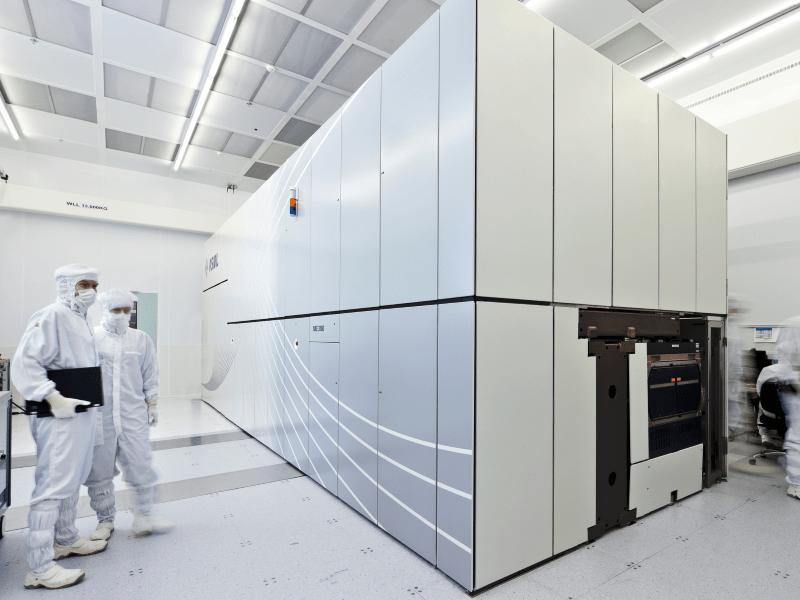
The continued rise of AI technology growth has significantly increased demand for semiconductors and advanced processing hardware.
Companies producing AI systems require enormous computing power to train machine learning models and operate large-scale data centers. This demand has driven major growth across the semiconductor industry as manufacturers expand production capacity for advanced processors and AI accelerators.
Major chipmakers including Nvidia, Advanced Micro Devices, and Intel continue investing heavily in next-generation AI processor technologies.
The semiconductor race has become increasingly connected to national economic security and long-term technological competitiveness.
Governments Increase AI Infrastructure Investments
Governments worldwide are investing billions into projects connected to AI technology growth as countries compete for leadership in artificial intelligence research and digital infrastructure.
The United States, China, Europe, South Korea, and several Middle Eastern nations continue expanding support for semiconductor manufacturing, cloud infrastructure, AI research centers, and cybersecurity initiatives.
Policymakers increasingly view artificial intelligence as critical to future economic strength, military systems, healthcare innovation, and industrial productivity.
Several countries are also introducing regulations aimed at balancing innovation with concerns involving data privacy, misinformation, and AI ethics.
AI Data Centers Drive Massive Energy Demand
The rapid expansion of AI technology growth is also increasing pressure on global energy infrastructure due to the enormous electricity requirements associated with AI data centers.
Training advanced artificial intelligence systems requires powerful computing clusters operating continuously across massive server facilities. Cloud providers and technology companies continue building new AI-focused data centers to support growing customer demand.
Energy providers and infrastructure developers are now working closely with technology firms to expand electricity generation capacity and improve power grid reliability.
Industry analysts say future AI expansion may depend partly on whether countries can maintain sufficient energy supplies for large-scale computing operations.
“Artificial intelligence is creating a new era of industrial-scale computing,”
one infrastructure strategist noted.
Technology Companies Race for AI Leadership
Competition surrounding AI technology growth has intensified across the global technology sector as companies fight for market leadership in generative AI systems and machine learning services.
Major technology firms including Microsoft, Google, and Meta Platforms continue increasing investments tied to AI software, cloud services, and digital infrastructure.
Many companies are rapidly integrating AI tools into productivity software, search engines, online advertising, enterprise applications, and cybersecurity platforms.
Analysts believe the competition for AI dominance could permanently reshape the balance of power across the technology industry.
Workforce Transformation Raises Economic Questions
The continued rise of AI technology growth is also generating debate about automation’s long-term impact on employment and workforce stability.
Businesses increasingly use AI systems to automate repetitive tasks involving customer support, data analysis, logistics management, and administrative operations. While supporters argue AI can improve productivity and create new opportunities, critics warn automation could displace certain categories of workers.
Economists believe future labor markets may increasingly require advanced technical skills tied to software development, AI management, engineering, and cybersecurity.
Governments and educational institutions continue discussing workforce retraining strategies to prepare employees for rapidly changing technology environments.
Historical Cycles of Artificial Intelligence Development
The evolution of artificial intelligence has unfolded across multiple decades of technological progress. The latest wave of AI technology growth represents the most commercially significant phase yet.
Historical Cycles Table
| Era | AI Development Phase | Industry Impact |
|---|---|---|
| 1950s | Early AI concepts | Academic research begins |
| 1980s | Expert systems | Business software adoption |
| 1990s | Internet and data expansion | Machine learning improves |
| 2010s | Cloud computing and big data | AI commercialization accelerates |
| 2020s | Generative AI systems | Global economic transformation |
Experts believe the current cycle may become one of the largest technology shifts since the rise of the internet.
Investors Continue Pouring Capital Into AI Markets
Financial markets remain heavily focused on companies benefiting from AI technology growth as investors seek opportunities tied to artificial intelligence infrastructure and software development.
Technology stocks connected to semiconductors, cloud computing, cybersecurity, and automation have experienced strong market interest due to rising expectations surrounding future AI demand.
Venture capital firms also continue funding startups involved in robotics, machine learning, healthcare AI, and enterprise automation systems.
However, some analysts continue warning that intense market optimism could create valuation risks if revenue growth slows unexpectedly.

AI Regulation Debate Expands Globally
Governments and regulators worldwide continue debating how to manage risks associated with AI technology growth while supporting innovation.
Concerns involving misinformation, data privacy, algorithmic bias, cybersecurity threats, and intellectual property rights have increased pressure for stronger oversight policies.
Several governments are introducing regulatory frameworks designed to monitor advanced AI systems and establish ethical development guidelines.
Technology companies continue arguing that excessive regulation could slow innovation and weaken international competitiveness.
“The challenge will be balancing innovation with responsible oversight,”
one digital policy expert stated.