

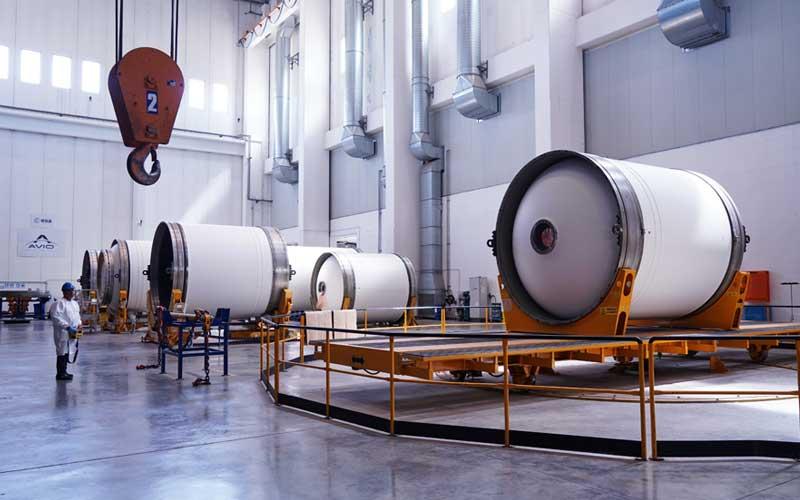
Florida spaceport development is accelerating rapidly in 2026 as private aerospace companies expand launch facilities and manufacturing operations.
New investments are driving job growth, commercial spaceflight innovation, and increased global competition in the aerospace industry.
Experts say Florida could become the world’s leading commercial space hub during the next decade.
FLORIDA, United States — May 23, 2026 — Florida spaceport development is rapidly transforming the state into one of the world’s most important centers for commercial aerospace activity as private space companies continue investing billions into launch infrastructure, manufacturing campuses, and advanced research facilities.
Industry analysts say the latest wave of investments reflects growing confidence in Florida’s long-term role within the global space economy. Major companies including private launch providers, satellite operators, and aerospace manufacturers are expanding operations across the state to meet increasing demand for commercial launches and next-generation space technologies.
The surge in investment is also creating thousands of jobs while strengthening Florida’s reputation as America’s primary gateway for commercial space exploration.
“Florida is no longer just a historic launch site. It is becoming the operational backbone of the global commercial space industry,”
aerospace analyst Daniel Mercer said.
The rapid expansion comes as competition intensifies between U.S. space companies seeking larger launch capacity, faster production timelines, and strategic infrastructure advantages.
Private Aerospace Companies Expand Florida Operations
The rise of Florida spaceport development is closely tied to aggressive expansion plans from major private aerospace companies. Businesses are increasing investments in launch complexes, rocket production facilities, mission control systems, and reusable launch technologies.
Several projects currently underway across Florida include:
- Rocket assembly plants
- Satellite manufacturing facilities
- Launch pad modernization projects
- Aerospace research centers
- AI-driven testing laboratories
- Commercial astronaut training campuses
Industry experts believe these developments could significantly increase annual launch capacity over the next decade.
Florida’s geographic position, existing infrastructure, and historical connection to U.S. spaceflight continue attracting major aerospace investments.
Economic Growth and Job Creation Accelerate
Economic officials say Florida spaceport development is becoming a major contributor to regional growth as aerospace investments generate high-paying jobs across engineering, manufacturing, logistics, cybersecurity, and research sectors.
The expanding commercial space industry is also benefiting:
- Construction companies
- Hospitality businesses
- Technology suppliers
- Educational institutions
- Transportation services
State leaders expect thousands of additional aerospace jobs to emerge as new facilities become operational between 2026 and 2030.
A Florida economic development official stated:
“The space industry is creating a powerful economic ripple effect across the state, from research labs to local communities supporting aerospace workers.”
The growth is also strengthening partnerships between universities and private aerospace firms focused on workforce training and STEM education.
Why Florida Remains a Strategic Space Industry Hub
The expansion of Florida spaceport development is supported by decades of infrastructure investment tied to Kennedy Space Center and Cape Canaveral. These locations remain among the world’s most recognized launch facilities and continue evolving to support commercial missions.
Analysts say Florida offers several advantages:
- Proximity to launch corridors
- Established aerospace infrastructure
- Skilled engineering workforce
- Favorable climate conditions
- Strong transportation networks
- Existing federal partnerships
The combination of government support and private investment is helping Florida compete globally against emerging international launch hubs.
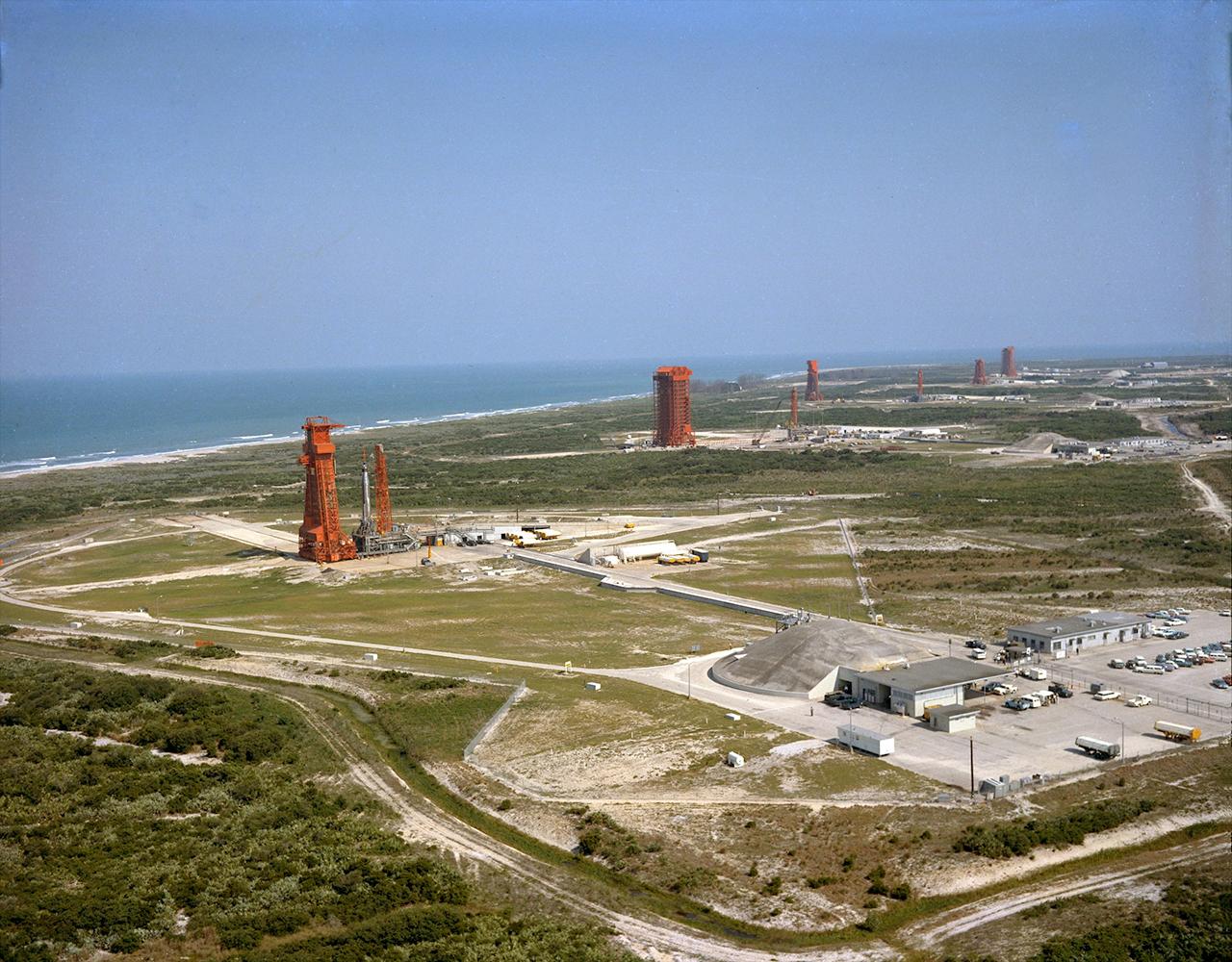
Historical Evolution of Florida’s Space Industry
Historical Cycles of Florida Spaceport Development
| Year | Major Space Event | Industry Impact | Long-Term Effect |
|---|---|---|---|
| 1960s | Apollo missions | Massive federal investment | Florida becomes U.S. launch center |
| 1981 | Space Shuttle era begins | Infrastructure expansion | Growth of aerospace workforce |
| 2011 | Shuttle program ends | Economic uncertainty | Rise of private aerospace firms |
| 2020 | Commercial launch boom | Increased private investment | Rapid launch growth |
| 2024 | Space tourism expansion | New commercial opportunities | Global investor interest |
| 2026 | Florida spaceport development surge | Multi-billion-dollar expansion | Florida positioned as global hub |
The evolution of Florida’s aerospace sector reflects broader shifts from government-led exploration toward commercialized spaceflight and private-sector innovation.
Commercial Space Competition Intensifies
The rapid pace of Florida spaceport development is occurring alongside fierce competition among aerospace companies seeking dominance in commercial launches, satellite deployment, and future lunar missions.
Private firms are racing to:
- Lower launch costs
- Increase launch frequency
- Expand reusable rocket systems
- Develop deep-space technologies
- Capture government contracts
Industry analysts say the commercial space market could become one of the fastest-growing sectors of the global economy over the next decade.
The expansion of Florida infrastructure is viewed as critical to supporting this expected growth.
Florida Spaceport Development
| Category | Key Detail |
|---|---|
| Industry Focus | Commercial Aerospace |
| Main Investment Areas | Launch Sites, Rocket Manufacturing, R&D |
| Economic Impact | Thousands of New Jobs |
| Key Regions | Cape Canaveral, Kennedy Space Center |
| Year | 2026 |
| Market Trend | Rapid Commercial Expansion |
| Strategic Benefit | Increased Launch Capacity |
| Future Outlook | Global Aerospace Leadership |
Technology Innovation Drives New Space Projects
Technology is playing a major role in accelerating Florida spaceport development as companies integrate advanced automation, AI systems, reusable rocket engineering, and next-generation propulsion technologies.
Modern aerospace facilities now emphasize:
- Automated manufacturing
- Robotics integration
- AI-assisted launch systems
- Advanced fuel technologies
- Real-time mission analytics
Industry experts say innovation will remain essential as launch demand increases for satellite communications, defense projects, scientific missions, and commercial tourism.
Space Tourism and Private Missions Expand
The growth of Florida spaceport development is also connected to rising interest in private space tourism and civilian space missions.
Companies are increasingly targeting:
- Suborbital tourism
- Commercial astronaut programs
- Private orbital missions
- Luxury space travel experiences
Analysts believe space tourism could become a multi-billion-dollar industry over time, further increasing demand for launch infrastructure and operational support systems in Florida.
A private aerospace consultant noted:
“Commercial spaceflight is evolving from experimental missions into a real economic sector with long-term growth potential.”
That transition is reshaping how investors view aerospace infrastructure projects.
Environmental and Infrastructure Challenges Remain
Despite strong momentum, Florida spaceport development also faces several challenges tied to environmental concerns, infrastructure demands, and workforce shortages.
Key issues include:
- Coastal environmental protection
- Traffic and transportation upgrades
- Skilled labor competition
- Launch safety regulations
- Supply chain disruptions
State and federal agencies continue working with private companies to balance rapid expansion with long-term sustainability planning.
Industry observers believe infrastructure modernization will remain critical as launch frequency increases.

National Security and Defense Importance Expands
The expansion of Florida’s aerospace infrastructure is also increasingly connected to national security priorities.
Government agencies continue relying on commercial launch providers for:
- Defense satellite deployment
- Military communications systems
- Intelligence operations
- Strategic space initiatives
As a result, Florida spaceport development is becoming strategically important not only for commercial markets but also for broader U.S. defense and technological leadership.