

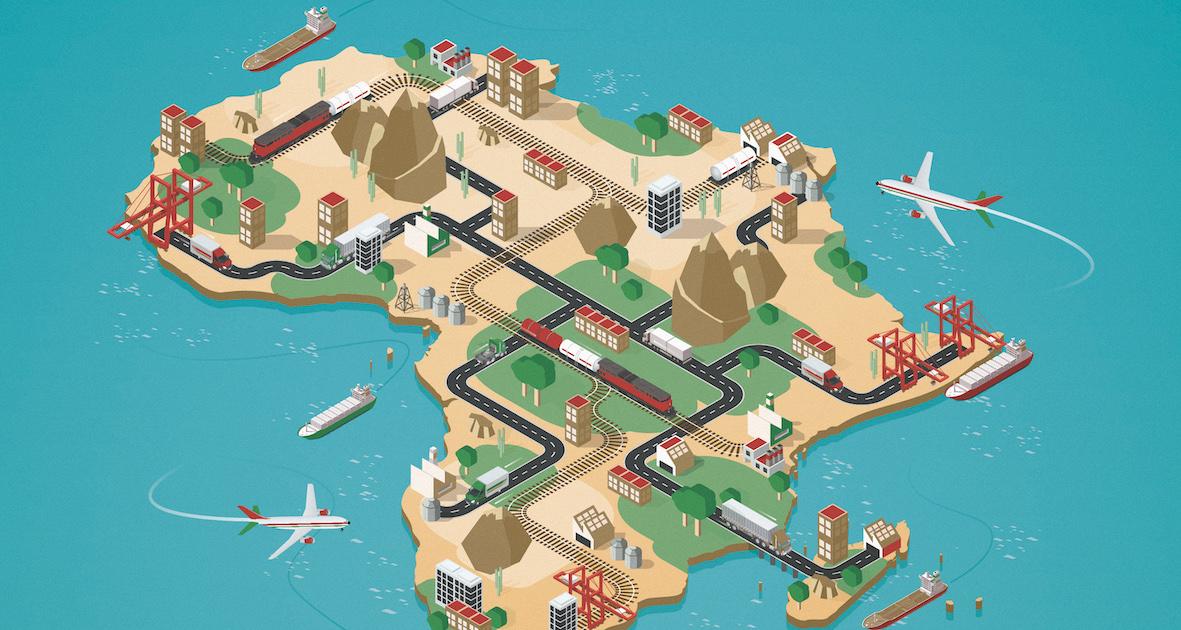
ABIDJAN, Ivory Coast May 25 (Parliament Politics Magazine) African infrastructure investment became a central focus during the African Development Bank’s annual meetings as leaders, economists, and financial officials discussed how the continent can finance long-term growth while facing renewed Ebola concerns and rising debt pressures. Policymakers emphasized the urgent need for stronger domestic funding systems to support transportation, energy, healthcare, and digital infrastructure projects across Africa. Analysts say African infrastructure investment is increasingly viewed as critical for economic resilience, industrial growth, and regional competitiveness in an era of global financial uncertainty.
African infrastructure investment dominated discussions at the annual meetings of the African Development Bank Group as governments and financial institutions confronted growing pressure to finance the continent’s development priorities using more domestic resources.
The meetings took place during a sensitive economic period marked by rising debt burdens, slowing global growth, inflation concerns, and renewed attention surrounding Ebola outbreaks in parts of Africa.
At the center of the discussions was a broader question shaping Africa’s economic future: how can the continent secure enough long-term capital to finance roads, ports, power systems, digital networks, and healthcare infrastructure without becoming overly dependent on foreign borrowing?
African infrastructure investment is increasingly viewed as essential for improving industrial productivity, expanding trade, supporting urban growth, and strengthening economic resilience across emerging African economies.
The renewed Ebola concerns also reinforced how infrastructure challenges extend beyond transportation and energy into healthcare systems and emergency preparedness.
African Infrastructure Investment Is Becoming a Strategic Priority
Infrastructure Gaps Continue Limiting Growth
Many African economies continue facing major infrastructure shortages that affect transportation efficiency, electricity access, industrial activity, and digital connectivity.
Road networks, ports, rail systems, telecommunications infrastructure, and power grids remain underdeveloped in several regions despite years of economic growth.
Economists warn that insufficient infrastructure can slow manufacturing expansion, increase transportation costs, reduce competitiveness, and discourage foreign investment.
African infrastructure investment therefore remains one of the most important long-term priorities for governments seeking stronger economic development.
The African Development Bank repeatedly emphasized that infrastructure improvements are necessary to support industrialization and regional trade expansion.
Domestic Financing Is Becoming More Important
African leaders increasingly argue that future infrastructure growth cannot depend primarily on external lenders and foreign aid programs.
Rising global interest rates and stronger international borrowing costs made debt financing more difficult for many developing economies.
As a result, governments are exploring ways to strengthen domestic capital markets, pension funds, sovereign investment systems, and regional banking institutions capable of supporting African infrastructure investment from within the continent itself.
“Africa must mobilize more of its own capital to finance its development future,”
said Kevin Urama, chief economist at the African Development Bank, while discussing economic resilience and infrastructure financing.
That strategy reflects broader efforts to strengthen economic sovereignty and reduce vulnerability to global financial volatility.
Ebola Concerns Highlight Healthcare Infrastructure Challenges
Public Health Remains Tied to Economic Stability
Renewed Ebola concerns during the meetings reminded investors and policymakers that healthcare infrastructure remains a major component of economic resilience.
Past Ebola outbreaks disrupted tourism, labor markets, trade activity, healthcare systems, and investor confidence across multiple African countries.
Although public health officials stressed that monitoring systems and emergency response capabilities improved significantly since earlier outbreaks, the issue still influenced broader discussions surrounding economic preparedness.
African infrastructure investment now increasingly includes hospitals, medical supply systems, vaccine production facilities, and emergency healthcare networks.
Healthcare Investment Is Expanding
The pandemic years exposed major weaknesses in healthcare systems across many emerging economies.
African governments and development institutions are increasing investment in healthcare infrastructure to improve long-term crisis preparedness and economic stability.
Analysts say stronger healthcare systems are becoming just as important as roads, ports, and power stations for supporting investor confidence and sustainable economic growth.
The African Development Bank continues supporting healthcare financing initiatives aimed at strengthening regional preparedness for future outbreaks and health emergencies.
Energy and Transportation Remain Critical Development Goals
Electricity Access Still Limits Industrial Growth
Energy infrastructure remains one of the largest barriers to industrial expansion across many African economies.
Power shortages and unreliable electricity systems continue affecting manufacturing, digital industries, healthcare operations, and small businesses throughout the continent.
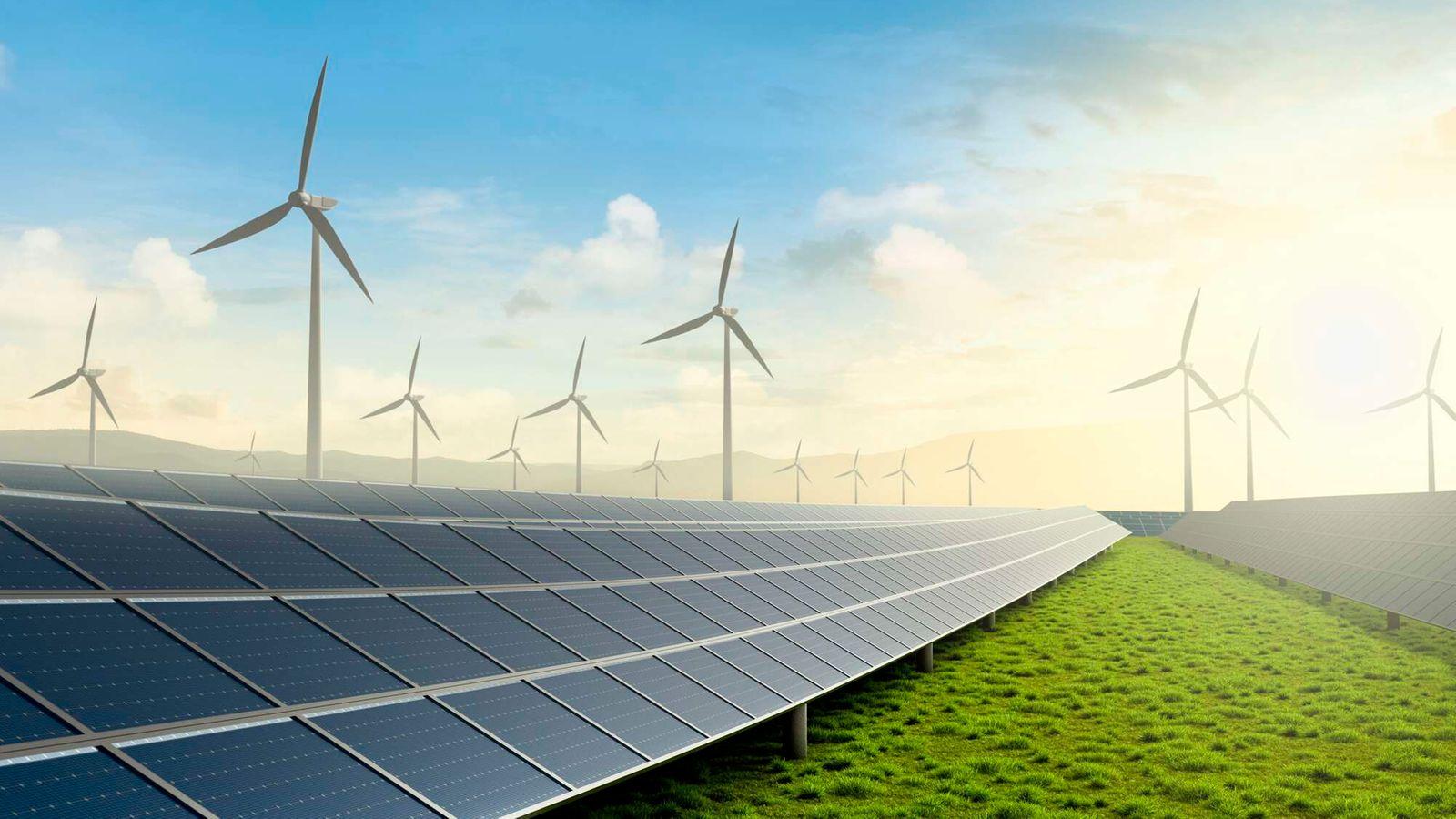
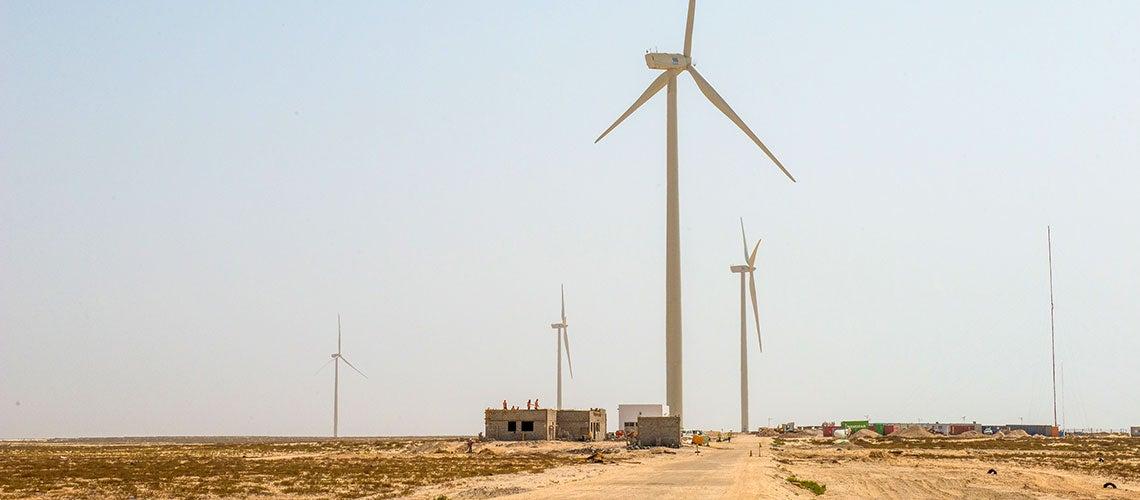
African infrastructure investment in electricity generation, renewable energy systems, and power distribution networks is increasingly viewed as critical for long-term economic competitiveness.
At the same time, Africa possesses large reserves of minerals used in electric vehicles, renewable technologies, and battery production, creating new industrial opportunities.
Industry analysts believe Africa’s natural resources could become increasingly important as global demand for clean-energy materials expands.
Transportation Systems Need Major Expansion
Transportation infrastructure also remains a major challenge for economic growth across Africa.
Ports, highways, rail systems, and logistics networks require large-scale modernization to improve regional trade and lower transportation costs.
The African Continental Free Trade Area increased pressure for stronger transportation links capable of supporting cross-border commerce and manufacturing expansion.
Governments increasingly view African infrastructure investment as essential for unlocking regional trade opportunities and strengthening economic integration.
Global Competition Is Influencing African Development Finance
Major Powers Are Expanding Investment Across Africa
Africa’s infrastructure development strategy is also being shaped by geopolitical competition involving China, Europe, the United States, and Gulf nations.
China remains deeply involved in African infrastructure financing through transportation projects, construction investments, and energy development initiatives.
Meanwhile, European countries and the United States are expanding partnerships tied to trade, supply chains, renewable energy, and technology investment.
That competition creates opportunities for African economies while also increasing concerns surrounding debt sustainability and long-term financial independence.
African Capital Markets Could Play Larger Roles
African policymakers increasingly believe domestic investment systems must become stronger to support long-term infrastructure development.
Pension funds, insurance companies, sovereign wealth funds, and private investment groups may play larger roles in financing future projects.
Analysts say African infrastructure investment will likely depend on balancing foreign partnerships with stronger domestic financial systems capable of supporting sustainable growth.
Africa’s Future Depends on Long-Term Infrastructure Development
Young Populations Create Economic Potential
Africa remains one of the world’s fastest-growing demographic regions, with rapidly expanding urban populations and increasing demand for jobs, transportation, energy, and digital services.
Economists believe the continent possesses major long-term growth potential if governments successfully improve infrastructure, healthcare, education, and financial systems.
Technology industries, renewable energy, agriculture, logistics, and manufacturing are all viewed as sectors capable of driving future economic expansion.
However, financing remains one of the continent’s greatest long-term challenges.
Infrastructure Investment Is Becoming Essential for Resilience
The discussions at the African Development Bank meetings reflected a broader reality confronting developing economies worldwide: infrastructure investment now plays a central role in economic resilience, public health preparedness, industrial growth, and global competitiveness.
The renewed Ebola concerns reinforced how economic stability increasingly depends on both physical infrastructure and healthcare preparedness.
African Infrastructure Investment Reflects a Shift Toward Economic Self-Reliance
African infrastructure investment emerged as one of the defining themes at the African Development Bank meetings because leaders increasingly recognize that long-term growth depends on stronger domestic financial systems and modern infrastructure networks.
The combination of rising debt costs, global economic uncertainty, and health-related risks is pushing African nations to rethink how development projects are financed and managed.
For Africa, infrastructure investment is no longer simply about construction projects. It is becoming central to economic independence, industrial competitiveness, healthcare resilience, and regional integration.
As governments continue searching for sustainable financing solutions, African infrastructure investment could remain one of the continent’s most important economic priorities in the years ahead.