

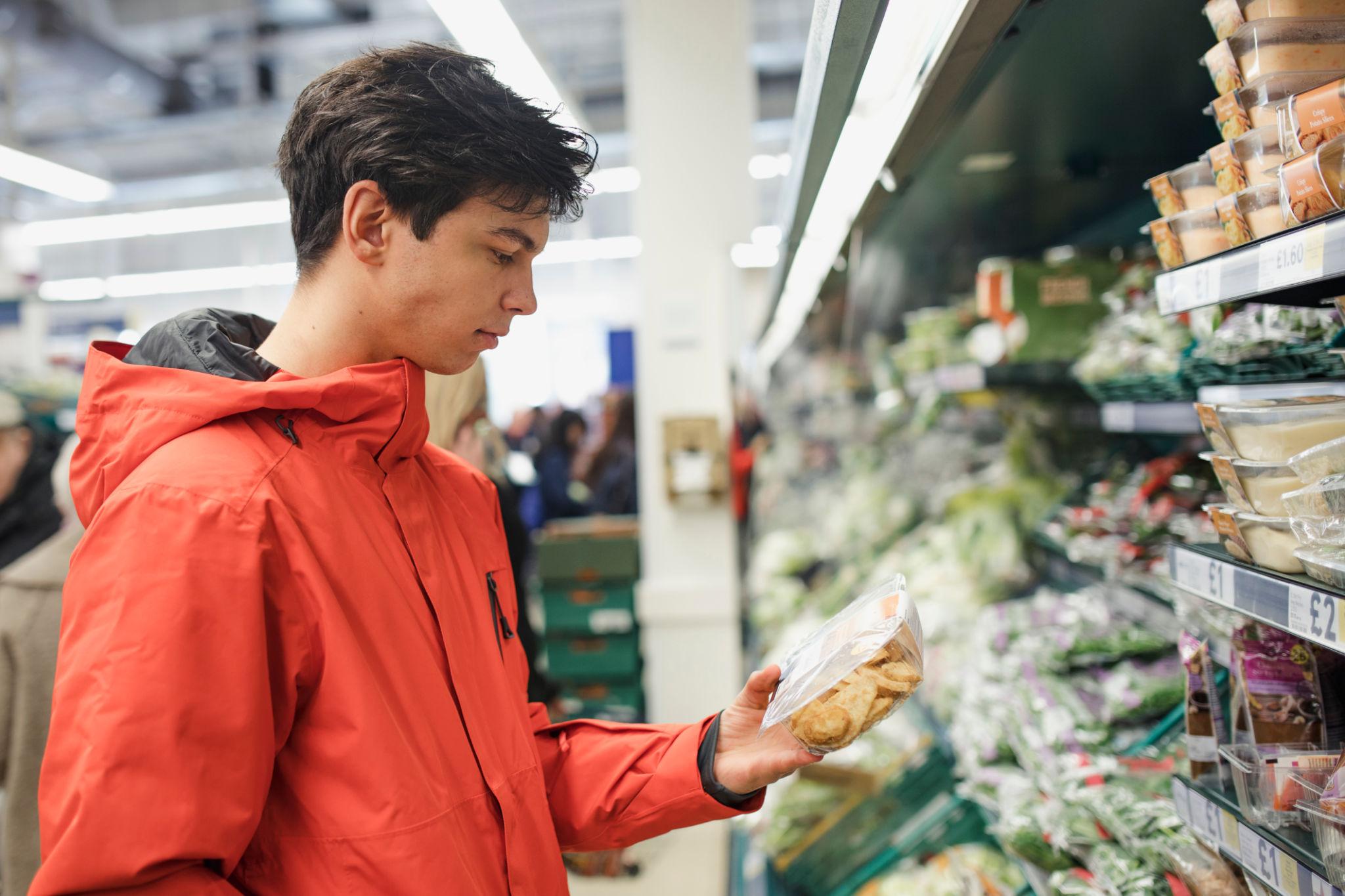
UK grocery inflation remains a major concern as rising food prices continue affecting households across Britain.
Retailers and consumers are facing pressure from supply chain costs, energy prices, and weaker economic conditions in 2026.
Analysts warn grocery inflation may continue influencing spending habits and consumer confidence throughout the year.
LONDON, UNITED KINGDOM – May 26, 2026 (Parliament Politics Magazine) UK grocery inflation continues placing pressure on households across Britain as food prices remain elevated despite broader efforts to stabilize inflation and improve economic confidence. Consumers are increasingly cautious about spending as supermarkets and suppliers continue facing higher operational costs linked to energy, transportation, labor, and supply chain disruptions.
The UK grocery inflation issue has become one of the country’s most closely watched economic concerns because food prices directly affect household budgets and everyday living costs. Analysts say rising grocery bills are influencing consumer confidence and retail spending patterns throughout Britain.
Retail industry groups warn businesses remain under pressure from increasing wage expenses and logistics costs, making it difficult for retailers to absorb higher expenses without passing some costs to shoppers.
A London-based retail economist stated:
“Food prices are among the most visible forms of inflation because households experience them every week.”
The remarks highlight why grocery inflation remains politically and economically sensitive across Britain.
UK Grocery Inflation Data Snapshot 2026
| Category | Details |
|---|---|
| Country | United Kingdom |
| Main Concern | Rising grocery prices |
| Consumer Impact | Higher household spending |
| Industry Pressure | Supply chain costs |
| Key Cost Drivers | Energy, wages, logistics |
| Retail Challenge | Margin pressure |
| Economic Risk | Reduced consumer spending |
| Government Focus | Inflation management |
| Household Concern | Food affordability |
| Long-Term Outlook | Continued pricing pressure |
Supermarkets Continue Managing Rising Costs
UK grocery inflation remains elevated because supermarkets continue facing higher operating expenses throughout supply chains.
Retailers reportedly deal with increased transportation costs, energy bills, labor expenses, storage fees, and agricultural price volatility. Analysts say supermarkets are attempting to balance affordability concerns with the need to protect profit margins during uncertain economic conditions.
Some grocery chains are expanding discount promotions and lower-cost product ranges to attract cost-conscious shoppers. However, industry experts warn that continued margin pressure may become difficult for smaller retailers to manage.
The UK grocery inflation debate has therefore expanded beyond food pricing into broader concerns surrounding economic confidence and consumer stability.
A British retail consultant commented:
“Consumers are increasingly comparing prices and changing shopping habits because affordability remains a major concern.”
The statement reflects shifting consumer behavior across Britain’s retail sector.
Households Change Spending Habits
UK grocery inflation is affecting how households manage spending and daily budgets.
Analysts say many consumers are prioritizing essential purchases while reducing discretionary spending. Discount retailers reportedly continue attracting shoppers searching for lower prices during a period of economic caution.
Some households are also cooking at home more frequently to reduce spending on restaurants and takeaway meals.
The UK grocery inflation issue is particularly important because consumer spending plays a major role in Britain’s overall economic performance.
Historical Cycles of UK Food Inflation
Historical Cycles Table
| Period | Economic Trend | Grocery Inflation Impact | Long-Term Outcome |
|---|---|---|---|
| 1970s | Energy crisis shocks | Rapid food price increases | Inflation controls |
| 1980s | Tight monetary policy | Slower inflation growth | Reduced consumer demand |
| 1990s | Retail competition expansion | Stable grocery prices | Consumer growth |
| 2000s | Global supply chain efficiency | Lower food inflation | Retail expansion |
| 2020s | Supply disruptions and energy pressure | Grocery inflation resurgence | Higher living costs |
Economic historians note that food inflation often has a stronger public impact than many other forms of inflation because consumers encounter grocery prices frequently.
Experts believe the current UK grocery inflation environment reflects broader uncertainty surrounding energy markets, supply chains, and economic growth.
Energy Costs Continue Influencing Food Prices
UK grocery inflation remains heavily affected by energy and transportation expenses.
Food retailers continue dealing with higher refrigeration, packaging, warehousing, and delivery costs. Analysts say energy market volatility remains one of the biggest risks influencing grocery prices across Britain.
Global supply chain disruptions and international commodity price changes have also contributed to higher costs in several food categories.
Some economists believe grocery inflation may gradually stabilize if energy conditions improve and transportation costs ease later in the year.
A UK economic analyst stated:
“Supply chain efficiency and stable energy prices will be critical for slowing grocery inflation.”
The comments reflect ongoing concerns regarding operational expenses throughout Britain’s retail market.
Government Faces Pressure to Support Consumers
UK grocery inflation concerns are increasing pressure on policymakers to address affordability challenges.
Retail groups and consumer advocates continue calling for measures aimed at reducing financial pressure on households and businesses. Some economists support targeted support programs designed to help lower-income consumers manage food costs.
Others warn excessive government spending could complicate inflation control efforts if demand rises too quickly.
Analysts say balancing inflation management with economic growth remains one of Britain’s biggest policy challenges in 2026.
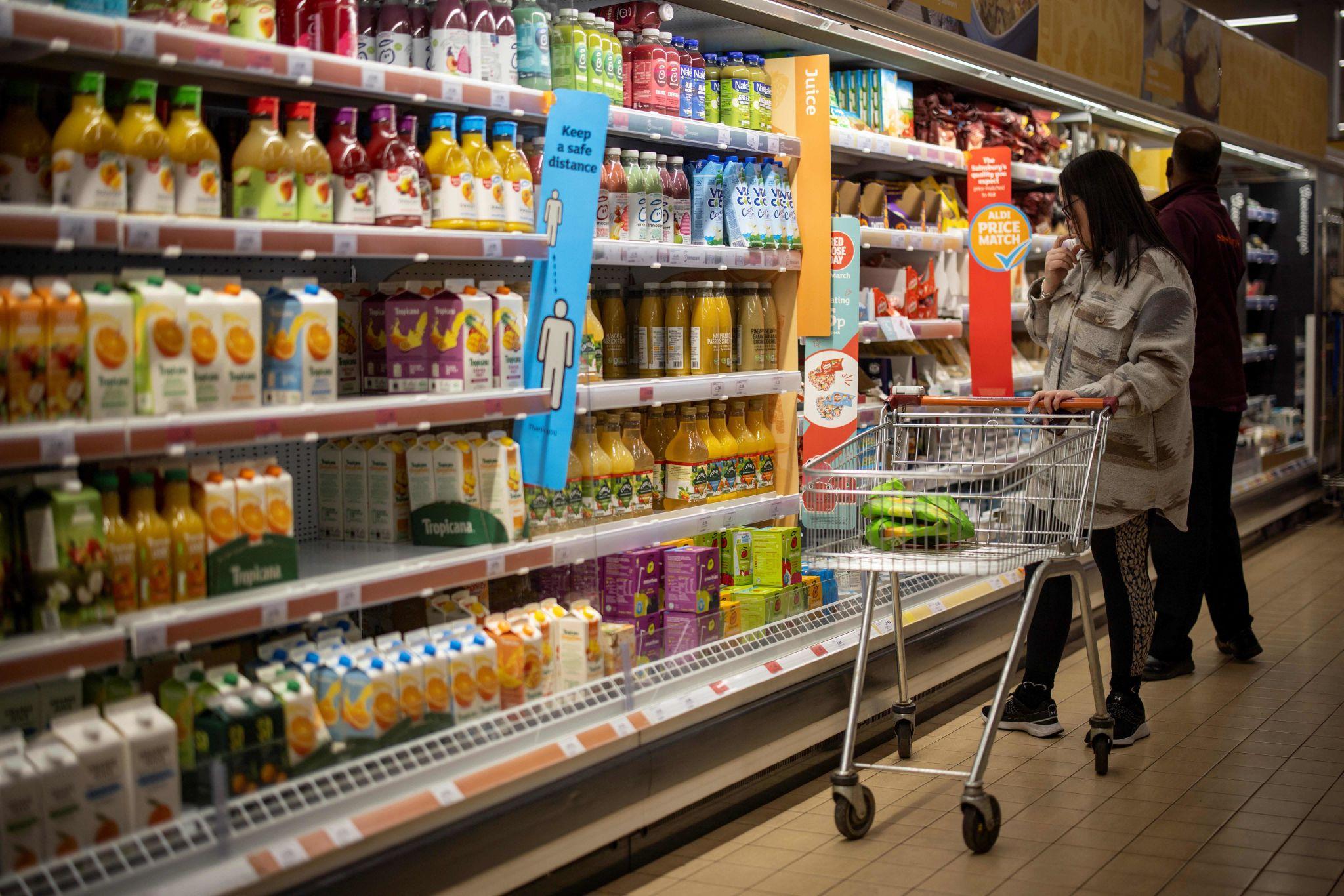
Future Outlook for Britain’s Grocery Market
The future direction of UK grocery inflation will likely depend on energy markets, consumer confidence, supply chain conditions, and broader economic growth trends.
Analysts expect retailers to continue balancing rising costs with pressure to maintain affordable pricing for shoppers. Competition among supermarkets may increase as businesses attempt to attract financially cautious consumers.
Interest rate policy, wage growth, and international commodity prices are also expected to influence future grocery inflation trends across Britain.
As households continue adapting to higher living costs, food affordability is expected to remain a major public and political issue throughout the year.