
AI marketing automation is rapidly transforming the global advertising industry as companies adopt artificial intelligence tools to improve campaign speed, customer targeting, and digital engagement.
Businesses are increasingly using AI-powered systems to automate marketing operations, reduce costs, and enhance online performance.
Analysts say the technology could permanently reshape the future of digital advertising.
NEW YORK, United States – May 27, 2026 (Parliament Politics Magazine) AI marketing automation is becoming one of the fastest-growing technologies within the global advertising sector as multinational corporations accelerate digital transformation strategies.
Major companies are increasingly integrating artificial intelligence into marketing departments to automate campaign management, audience targeting, content creation, and customer engagement. Analysts say businesses are under growing pressure to improve efficiency as competition across digital platforms intensifies.
The rise of AI marketing automation comes as companies seek ways to reduce operational costs while maintaining constant online visibility across social media, search engines, mobile applications, and e-commerce platforms.
Several international firms are now using AI-powered systems capable of generating advertising copy, product descriptions, customer emails, and digital media campaigns within minutes.
“Artificial intelligence is changing the speed and structure of modern advertising,”
one digital marketing strategist said during a recent technology conference.
Businesses Shift Toward Faster Digital Campaigns
The rapid growth of online commerce has significantly increased demand for AI marketing automation tools capable of managing large-scale advertising operations.
Marketing executives say artificial intelligence allows companies to analyze customer behavior, personalize campaigns, and optimize advertising performance more efficiently than traditional manual processes.
AI systems are increasingly being used to automate repetitive marketing tasks, including social media scheduling, audience segmentation, email targeting, and digital ad placement.
Industry experts believe automation technologies may eventually become standard tools across nearly every major advertising department worldwide.
The expansion of video streaming platforms, mobile shopping applications, and digital subscription services has further accelerated demand for data-driven advertising solutions.
AI Technology Reshapes Customer Engagement Strategies
The growth of AI marketing automation is also influencing how businesses interact with consumers online.
Companies are increasingly using machine learning systems to predict customer preferences, improve recommendation engines, and deliver personalized digital experiences.
Marketing analysts say AI-driven customer engagement strategies can improve conversion rates by tailoring advertisements based on browsing behavior, purchasing history, and online activity.
Several technology companies are now introducing advanced AI tools capable of producing automated marketing visuals, voice advertisements, and multilingual promotional content.
“Consumers now expect personalized digital experiences across every online platform,”
a global advertising analyst explained.
Advertising Agencies Adapt to Industry Transformation
The expansion of AI marketing automation is forcing traditional advertising agencies to reevaluate operational strategies.
While many agencies continue emphasizing creative storytelling and branding expertise, automation technology is reducing the time required for campaign production and digital content management.
Several marketing firms are responding by integrating AI systems into internal workflows while offering strategic consulting services focused on analytics, audience behavior, and long-term brand positioning.
Industry observers believe agencies capable of combining creativity with advanced technology may remain competitive as the advertising landscape evolves.
However, some experts warn that smaller agencies may face increasing financial pressure as large corporations expand in-house AI-driven marketing operations.
Data Privacy and Regulation Concerns Continue Rising
Despite growing adoption, regulators continue raising concerns regarding consumer privacy, data protection, and misinformation risks tied to AI marketing automation technologies.
Governments worldwide are examining how businesses collect and process customer information through AI-powered advertising systems.
Privacy advocates argue increasingly sophisticated targeting algorithms could intensify concerns surrounding online behavioral tracking and digital surveillance.
Technology companies are also facing questions regarding transparency in AI-generated advertising content and potential copyright disputes involving machine-created media.
“Innovation must be balanced with transparency and consumer trust,”
one technology policy expert stated during a recent industry panel discussion.
Historical Evolution of Digital Advertising Technology
The advertising industry has experienced several major technological transitions over recent decades. Analysts compare the rise of AI marketing automation to earlier transformations involving internet advertising and social media marketing.
Historical Cycles of Advertising Technology
| Era | Advertising Transformation |
|---|---|
| 1980s | Television advertising expansion |
| 1990s | Internet marketing emergence |
| 2000s | Search engine advertising growth |
| 2010s | Social media advertising dominance |
| 2020s | AI-powered marketing automation |
Experts believe artificial intelligence could become one of the most disruptive technologies in modern advertising history.
Global AI Spending Continues Accelerating
Corporate investment in AI marketing automation is expected to continue rising throughout 2026 as businesses seek competitive advantages in digital commerce.
Financial analysts believe companies using AI-powered marketing tools may gain stronger customer engagement, faster campaign deployment, and improved operational efficiency.
Technology providers specializing in machine learning, customer analytics, cloud computing, and automated advertising systems are also expected to benefit from rising demand.
Several research firms predict AI-driven advertising technology spending could increase significantly over the next decade as automation becomes increasingly integrated into global marketing operations.
Digital Advertising Enters a New AI Era
The rapid expansion of AI marketing automation signals a major transformation within the advertising industry as businesses increasingly depend on artificial intelligence for campaign management and customer engagement.
Supporters believe AI systems may improve efficiency, strengthen personalization, and reduce marketing costs. Critics, however, continue warning about privacy risks, misinformation concerns, and growing dependence on automated decision-making systems.
For now, businesses and regulators remain focused on balancing innovation with consumer protection as AI technologies continue reshaping digital advertising worldwide.

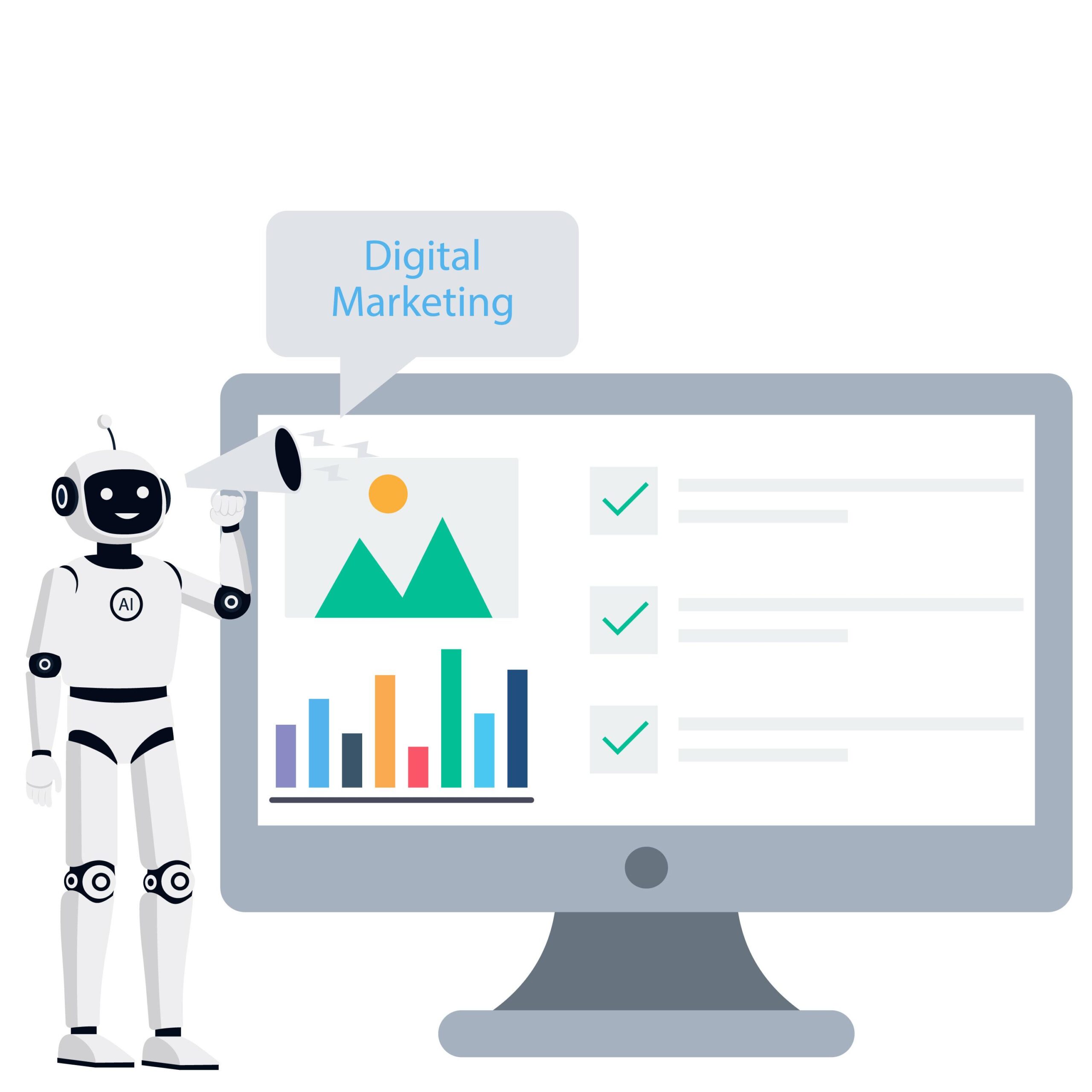
Global companies are rapidly adopting AI-powered marketing systems to automate advertising operations, personalize customer engagement, and improve digital campaign efficiency. The rise of AI marketing automation is transforming how businesses manage advertising across online platforms in 2026.