

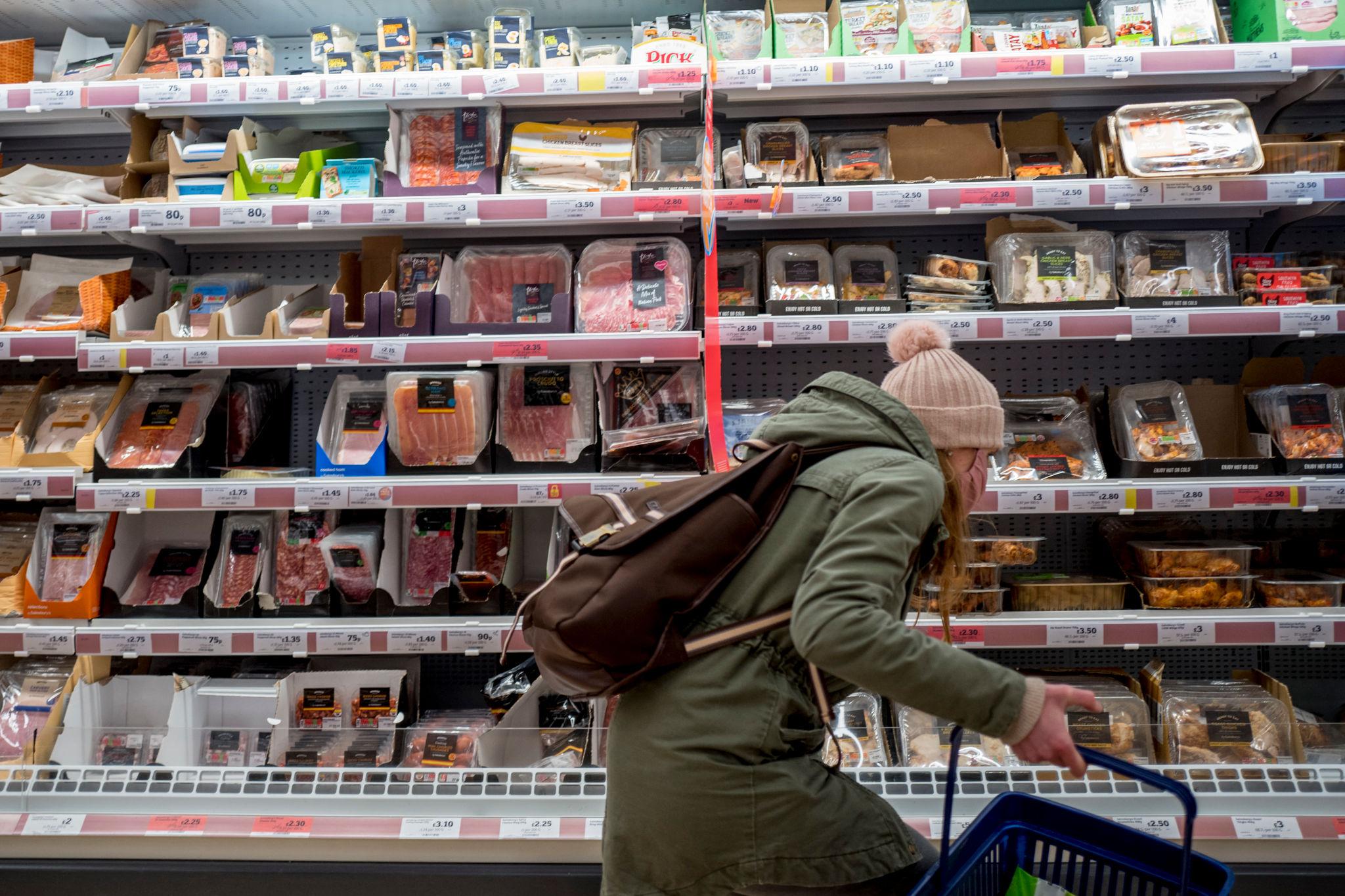
LONDON, United Kingdom, May 28, 2026 (Parliament Politics Magazine) UK food industry crisis concerns are growing after new industry reports showed confidence among British food manufacturers has fallen to its weakest level since the 2022 energy crisis. Rising operating costs, inflation pressure, and weaker household spending are increasingly affecting the country’s food production sector.
Manufacturers across Britain say they continue struggling with higher expenses tied to energy, transportation, labor, packaging, and imported ingredients. Many companies also face growing pressure from supermarkets attempting to keep food prices competitive as consumers reduce spending.
The worsening UK food industry crisis reflects broader concerns surrounding Britain’s economic outlook as businesses continue adapting to elevated borrowing costs and slower growth conditions.
Rising Energy Costs Continue Affecting Food Production
One of the biggest drivers behind the expanding UK food industry crisis remains energy pricing and production expenses.
Food factories rely heavily on electricity and gas for refrigeration, packaging, transportation, and manufacturing processes. Although energy markets have stabilized compared to the peak of the 2022 crisis, costs remain significantly above historical averages.
Industry experts warn many businesses continue operating with reduced profit margins because passing higher expenses directly to consumers remains difficult.
A London-based manufacturing analyst stated:
“The food sector remains highly vulnerable to energy market volatility and inflation pressure.”
The comments reflect growing concern about the financial stability of Britain’s manufacturing industry.
Consumer Spending Slowdown Pressures Manufacturers
The worsening UK food industry crisis is also closely linked to weaker household spending across the United Kingdom.
Consumers continue facing pressure from inflation, housing costs, and elevated interest rates, forcing many families to prioritize essential purchases and reduce discretionary spending.
Food manufacturers say supermarkets increasingly demand lower pricing to maintain affordability, creating additional pressure on supplier profitability.
Economic experts believe slower consumer spending could continue affecting Britain’s food manufacturing industry during the remainder of 2026.
Supply Chain Challenges Add More Uncertainty
Ongoing supply chain disruptions are another major factor influencing the growing UK food industry crisis.
Manufacturers remain exposed to fluctuating raw material costs, transportation delays, labor shortages, and global commodity price volatility. Several businesses have also reported difficulty forecasting future production costs because of unstable international market conditions.
Industry groups warn continued disruption across global supply chains may increase financial pressure on smaller manufacturers with limited operational flexibility.
A food logistics expert explained:
“Supply chain instability continues affecting operational planning throughout the UK food manufacturing sector.”
The statement highlights broader concerns surrounding long-term production reliability.
Inflation Continues Reshaping Britain’s Grocery Market
The broader UK food industry crisis is also changing how consumers and retailers respond to food pricing across Britain.
Many households are increasingly shifting toward lower-cost grocery brands and discount retailers as inflation continues affecting disposable income. Supermarkets are also placing additional pressure on suppliers to limit wholesale price increases.
Manufacturers warn balancing affordability with rising operational expenses has become increasingly difficult.
Analysts believe prolonged inflation pressure may continue reshaping consumer buying habits throughout the British retail market.
Hiring and Investment Plans Slow Across the Sector
The growing UK food industry crisis is beginning to influence hiring conditions and investment decisions throughout Britain’s manufacturing industry.
Several companies are reportedly delaying expansion projects and reducing recruitment plans as economic uncertainty continues rising. Smaller manufacturers remain especially vulnerable because higher borrowing costs limit access to financing and investment capital.
Industry experts warn weaker investment conditions could eventually affect production capacity, technology upgrades, and long-term competitiveness within the food manufacturing sector.
A business economist stated:
“Manufacturers are becoming increasingly cautious about future investment plans until market conditions improve.”
The comments reflect rising uncertainty surrounding the sector’s medium-term outlook.
Economic Uncertainty Raises Long-Term Concerns
The ongoing UK food industry crisis also reflects broader economic concerns affecting Britain’s industrial economy.
Geopolitical tensions, slower European growth, fluctuating commodity prices, and uncertain interest rate conditions continue creating volatility for manufacturers throughout the country.
Food producers remain particularly sensitive to economic slowdowns because household demand directly impacts production levels and profitability.
Experts believe government policy decisions involving energy pricing, inflation control, and manufacturing support may play an important role in stabilizing confidence across the sector.
Automation and Technology Become Increasingly Important
As the UK food industry crisis continues, many manufacturers are increasing focus on automation and digital technologies aimed at improving efficiency.
Food producers are exploring robotics systems, artificial intelligence tools, and digital supply chain management software designed to reduce labor expenses and strengthen operational performance.
Industry analysts say automation investment may become increasingly important for maintaining competitiveness within Britain’s manufacturing economy.
However, rising financing costs could make technology upgrades difficult for smaller businesses facing financial pressure.
Future Outlook for Britain’s Food Manufacturing Industry
Analysts believe the future direction of the UK food industry crisis will depend heavily on inflation trends, energy market stability, consumer confidence, and broader economic conditions.
Industry groups continue calling for stronger policy support aimed at improving manufacturing competitiveness and stabilizing energy costs.
While some economists expect gradual improvement later in 2026, many manufacturers remain cautious regarding the short-term outlook.
The ongoing UK food industry crisis highlights the difficult environment facing Britain’s manufacturing sector as companies attempt to balance rising costs with weakening consumer demand.
Final Outlook on Britain’s Manufacturing Pressure
The growing UK food industry crisis underscores the increasing pressure affecting British manufacturers as inflation, energy costs, and economic uncertainty continue reshaping the country’s industrial economy.
Industry experts warn restoring confidence may require stronger economic stability, improved consumer spending conditions, and reduced operational costs during the months ahead.
The long-term outlook for Britain’s food manufacturing industry may ultimately depend on how effectively businesses and policymakers respond to ongoing economic challenges.