
AUSTIN, Texas, May 29, 2026 (Parliament Politics Magazine) AI computing growth is rapidly transforming the technology industry as organizations increase spending on artificial intelligence infrastructure, advanced computing systems, and cloud-based platforms. Businesses across multiple sectors are expanding their AI capabilities, creating strong demand for high-performance servers and specialized processors designed to support increasingly complex workloads.
Industry analysts say the current investment cycle reflects one of the most significant shifts in enterprise technology spending since the rise of cloud computing. Companies are no longer experimenting with artificial intelligence; many are deploying large-scale systems that require substantial computing resources.
Enterprise Adoption Drives Infrastructure Expansion
The latest wave of technology spending is being driven by organizations integrating artificial intelligence into daily operations. Financial institutions, healthcare providers, manufacturers, retailers, and government agencies are investing in systems capable of processing large datasets and supporting advanced analytics.
This trend is contributing significantly to AI computing growth as companies modernize infrastructure to remain competitive in an increasingly digital economy.
According to industry observers, organizations are prioritizing investments that improve productivity, automate repetitive tasks, and enhance decision-making through data-driven insights.
“Artificial intelligence is becoming a foundational technology that organizations increasingly view as essential for future growth.”
Demand for Advanced AI Hardware Continues Rising
One of the primary factors supporting AI computing growth is demand for specialized hardware capable of running machine learning models and generative AI applications.
Modern AI workloads require significantly more computing power than traditional business software. As a result, organizations are investing in advanced processors, high-density servers, and enhanced networking technologies.
Technology suppliers throughout the hardware ecosystem have reported strong demand as businesses accelerate deployment plans. Industry forecasts suggest infrastructure spending will remain elevated as AI adoption expands globally.
Cloud Providers Increase Capacity
Major cloud computing companies continue expanding facilities to support growing customer demand.
Businesses increasingly rely on cloud-based services because they provide scalable access to artificial intelligence tools without requiring large upfront investments in hardware.
The expansion of cloud infrastructure is another important contributor to AI computing growth, enabling organizations of all sizes to access powerful computing resources.
Cloud providers are also introducing new AI-focused services designed to help customers deploy applications more efficiently and manage increasingly complex workloads.
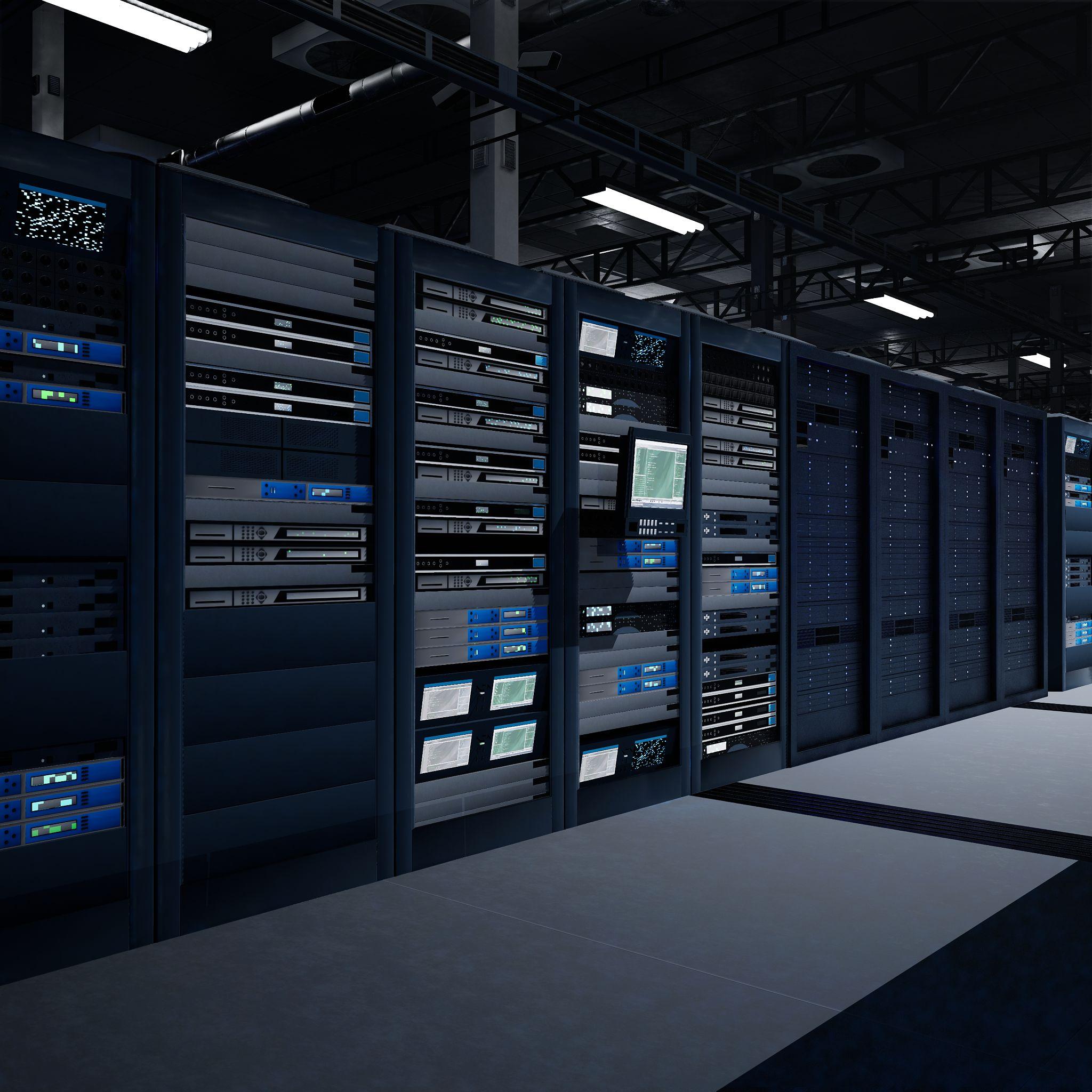
Data Centers Become Strategic Assets
The rise of artificial intelligence is changing the role of data centers within the global economy.
Modern facilities are being designed specifically to accommodate AI workloads, requiring advanced cooling technologies, greater electrical capacity, and sophisticated networking infrastructure.
Industry experts note that AI computing growth is creating demand for a new generation of data centers optimized for artificial intelligence applications.
New projects are being announced across North America, Europe, and Asia as operators seek to meet rising requirements from enterprise and cloud customers.
“The infrastructure supporting artificial intelligence is becoming as important as the software itself.”
Technology Companies Compete for Market Share
The rapid expansion of artificial intelligence has intensified competition among technology providers.
Hardware manufacturers, cloud operators, software developers, and networking companies are all seeking opportunities within the growing AI ecosystem.
This competitive environment continues to support AI computing growth, as organizations invest in innovative technologies designed to improve performance and efficiency.
Many companies are accelerating research and development efforts while forming strategic partnerships to strengthen their positions in the market.
Historical Perspective on Computing Expansion
Throughout the past three decades, technology has experienced several major investment cycles.
The internet revolution of the 1990s fueled network expansion. E-commerce growth increased demand for servers and hosting infrastructure. Cloud computing transformed enterprise technology spending during the 2010s.
Today, many analysts believe AI computing growth represents the next major phase of digital transformation. Unlike previous cycles, artificial intelligence has the potential to impact nearly every sector of the economy simultaneously.
This broad applicability is one reason experts believe the current investment trend could continue for years.
Energy and Sustainability Remain Key Challenges
As computing requirements increase, energy consumption has become an important issue for technology companies and policymakers.
Artificial intelligence systems often require substantial processing power, placing additional demands on electrical infrastructure.
Despite these challenges, advances in processor efficiency and sustainable energy solutions are helping support continued AI computing growth.
Many organizations are exploring renewable energy partnerships and innovative cooling technologies to reduce operational costs while meeting environmental goals.
“Balancing innovation with sustainability will be critical as artificial intelligence infrastructure continues expanding worldwide.”
Outlook Remains Positive
Industry forecasts continue to indicate strong momentum across the artificial intelligence sector.
Organizations are expected to increase spending on infrastructure, cloud services, advanced processors, and AI-enabled applications throughout the coming years.
Experts believe AI computing growth will remain one of the most important drivers of technology investment, influencing business strategies, economic development, and innovation across multiple industries.
As adoption expands and new use cases emerge, demand for computing resources is expected to remain strong.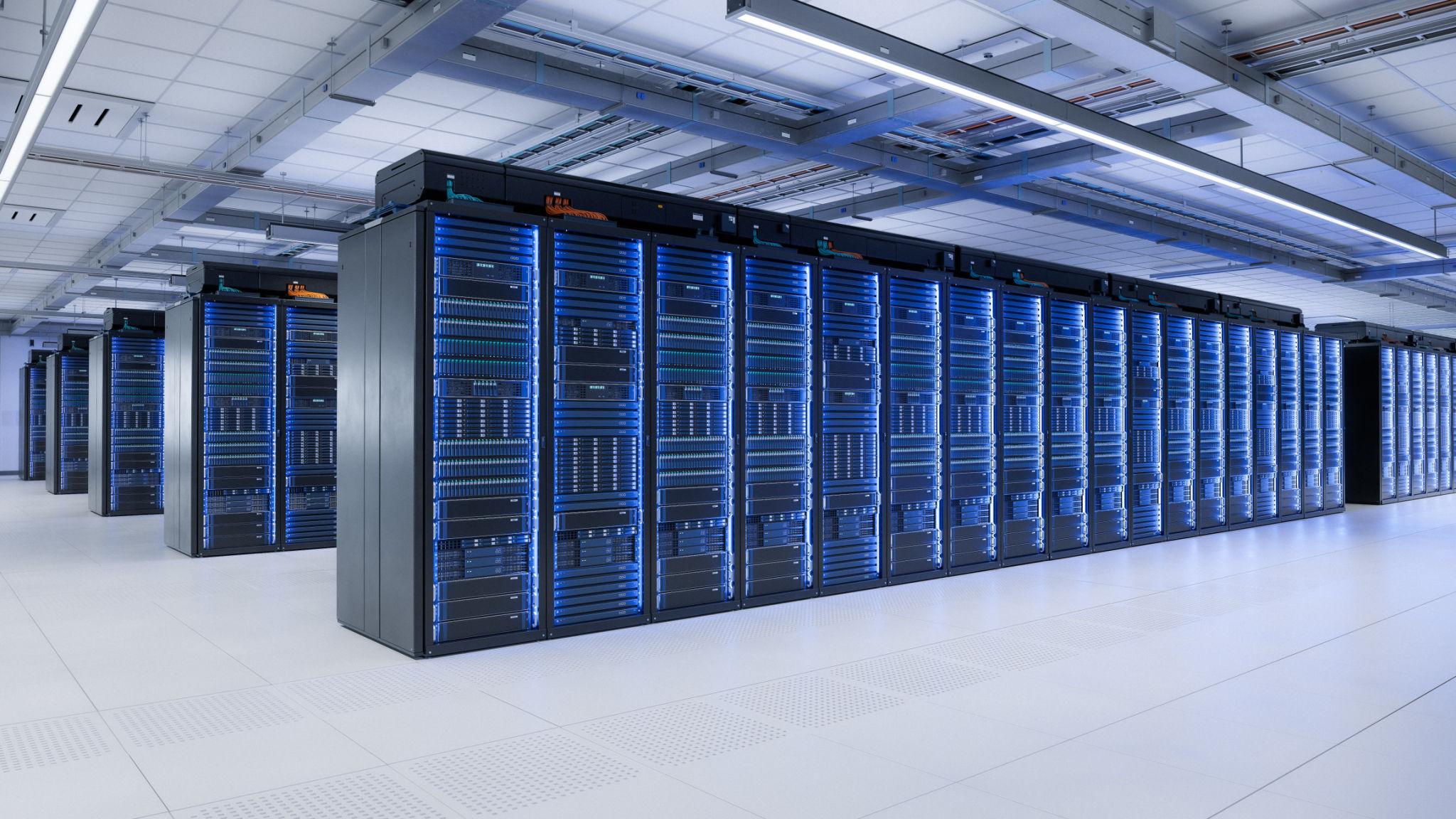
What AI Computing Growth Means for the Future
The rise of AI computing growth highlights the increasing importance of artificial intelligence within the global economy. Businesses are investing heavily in infrastructure capable of supporting advanced applications, while technology providers continue expanding capacity to meet demand.
Although challenges related to energy consumption and infrastructure costs remain, industry experts generally agree that artificial intelligence will continue shaping technology investment trends well beyond 2026. The combination of enterprise adoption, cloud expansion, and hardware innovation suggests that the AI-driven computing boom is still in its early stages.