

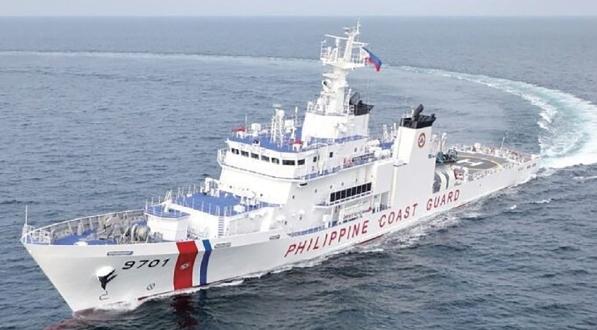
MANILA, Philippines (Parliament Politics Magazine) Philippine defense strategy remains a central pillar of government policy as officials continue addressing regional security concerns and strengthening military capabilities. While diplomatic discussions among major global powers continue, Philippine leaders say national preparedness remains essential for maintaining sovereignty and stability.
The Philippine defense strategy has gained increased attention amid ongoing maritime disputes, geopolitical competition, and broader security developments across the Indo-Pacific region. Officials emphasize that protecting territorial interests and maintaining peace require both military readiness and strong diplomatic engagement.
“A capable defense force contributes to peace by discouraging conflict and supporting stability,”
a senior security official said.
Maritime Security Continues to Influence Defense Priorities
Maritime security remains one of the most important components of the Philippine defense strategy. The country occupies a strategically significant position in Southeast Asia, with access to major shipping lanes and important economic resources.
Government officials have repeatedly stressed the importance of protecting maritime rights, fisheries, energy resources, and commercial trade routes. Security planners continue investing in surveillance systems, patrol capabilities, and maritime awareness technologies designed to improve operational effectiveness.
Experts say secure waterways are vital not only for national defense but also for economic growth and regional cooperation.
Military Modernization Programs Move Forward
The modernization of the armed forces remains a key objective within the Philippine defense strategy. Defense agencies have focused on acquiring advanced equipment, improving training standards, and enhancing operational capabilities.
Recent investments have supported improvements in naval assets, air defense systems, communications infrastructure, and intelligence-gathering capabilities. Officials believe these efforts will improve the military’s ability to respond to both traditional and emerging security challenges.
The modernization process is expected to continue over the coming years as defense planners adapt to changing geopolitical conditions.
International Partnerships Support Security Goals
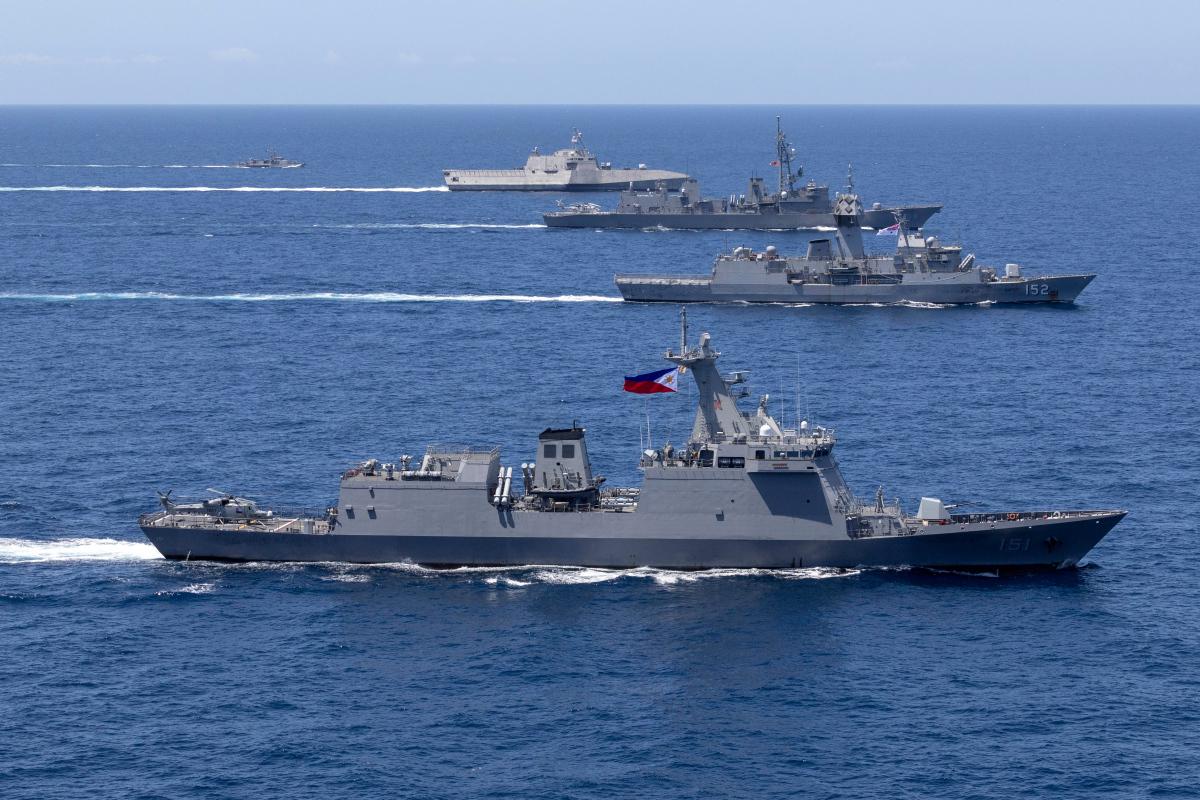
Strong international relationships remain an important element of the Philippine defense strategy. The country continues working closely with strategic partners to improve military readiness and strengthen regional stability.
Joint exercises, defense cooperation agreements, and intelligence-sharing initiatives have expanded in recent years. These partnerships provide opportunities for training, technology exchange, and coordinated responses to security challenges.
Officials maintain that international cooperation helps support a rules-based regional order while promoting peaceful conflict resolution.
“Partnerships increase readiness while reinforcing long-term regional stability,”
a defense analyst noted.
Economic Stability and National Defense Are Connected
Security experts increasingly view economic resilience as an important component of national defense planning. The Philippine defense strategy recognizes that economic strength contributes directly to national security.
Secure trade routes, reliable infrastructure, and investor confidence are all influenced by regional stability. Government officials argue that maintaining a safe and predictable environment encourages economic growth while supporting broader national objectives.
As a result, defense planning often overlaps with economic and infrastructure development initiatives.
Technology Plays a Growing Role in Defense Planning
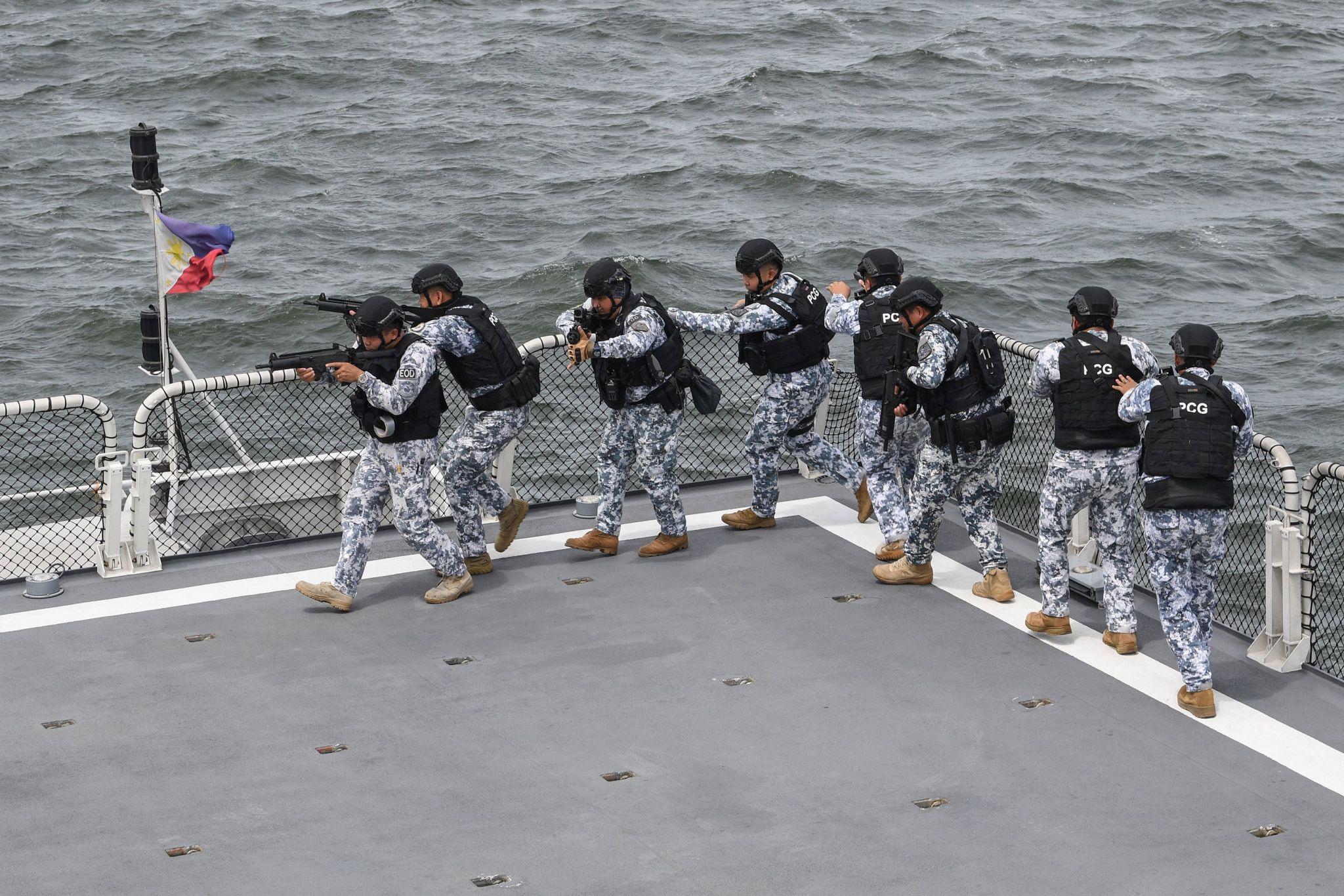
Emerging technologies are transforming modern military operations around the world. The Philippine defense strategy now includes a greater focus on cybersecurity, digital infrastructure protection, satellite monitoring, and advanced surveillance capabilities.
Officials acknowledge that future security challenges may involve cyber threats, information warfare, and attacks on critical systems in addition to traditional military concerns.
Investments in technology are therefore becoming increasingly important as governments seek to address evolving risks.
Historical Development of Philippine Defense Policy
The foundation of modern Philippine defense planning can be traced through decades of evolving security priorities.
During the post-war period, defense efforts focused largely on alliance-building and national reconstruction. In later decades, internal security concerns influenced military planning and resource allocation.
As regional maritime disputes became more prominent during the 21st century, policymakers shifted greater attention toward naval modernization, territorial protection, and maritime awareness. These developments helped shape the modern Philippine defense strategy that continues to evolve today.
The lessons learned from previous security challenges continue influencing current policy decisions and long-term planning efforts.
Regional Security Environment Remains Dynamic
Security analysts describe the Indo-Pacific as one of the world’s most strategically important regions. Major economies depend on stable trade routes, secure supply chains, and peaceful maritime operations.
The Philippine defense strategy reflects these realities by emphasizing readiness, resilience, and international cooperation. Officials continue advocating for peaceful dispute resolution while maintaining the capability to protect national interests.
Many experts believe that balancing deterrence and diplomacy will remain essential for regional stability in the years ahead.
“Strong defense and active diplomacy work best when pursued together,”
a regional affairs specialist explained.
Future Challenges Could Shape Security Planning
Looking ahead, defense planners expect several emerging issues to influence future decision-making. These include technological competition, cybersecurity threats, maritime security concerns, and disaster response requirements.
The Philippine defense strategy will likely continue adapting as policymakers evaluate new risks and opportunities. Flexibility remains an important consideration as governments prepare for increasingly complex security environments.
Climate-related emergencies may also play a larger role in military planning, given the armed forces’ frequent involvement in humanitarian assistance and disaster relief operations.
Outlook for 2026 and Beyond
The future direction of the Philippine defense strategy will depend on regional developments, international partnerships, and technological advancements. Current trends suggest continued investment in military modernization, enhanced maritime security, and expanded defense cooperation.
Officials remain committed to strengthening national capabilities while supporting diplomatic efforts aimed at preserving peace and stability throughout the Indo-Pacific region.
As geopolitical dynamics continue evolving, the Philippines is expected to maintain a balanced approach that combines deterrence, preparedness, and constructive engagement.
The Future of Philippine Defense Strategy in a Changing Security Environment
The Philippine defense strategy remains a critical component of national policy as the country navigates an increasingly complex security environment. Through modernization efforts, international cooperation, technological investment, and maritime security initiatives, Manila is working to strengthen national resilience and protect its long-term interests.
While regional challenges continue to evolve, policymakers appear focused on maintaining stability, safeguarding sovereignty, and supporting sustainable economic growth through a comprehensive and forward-looking defense approach.