

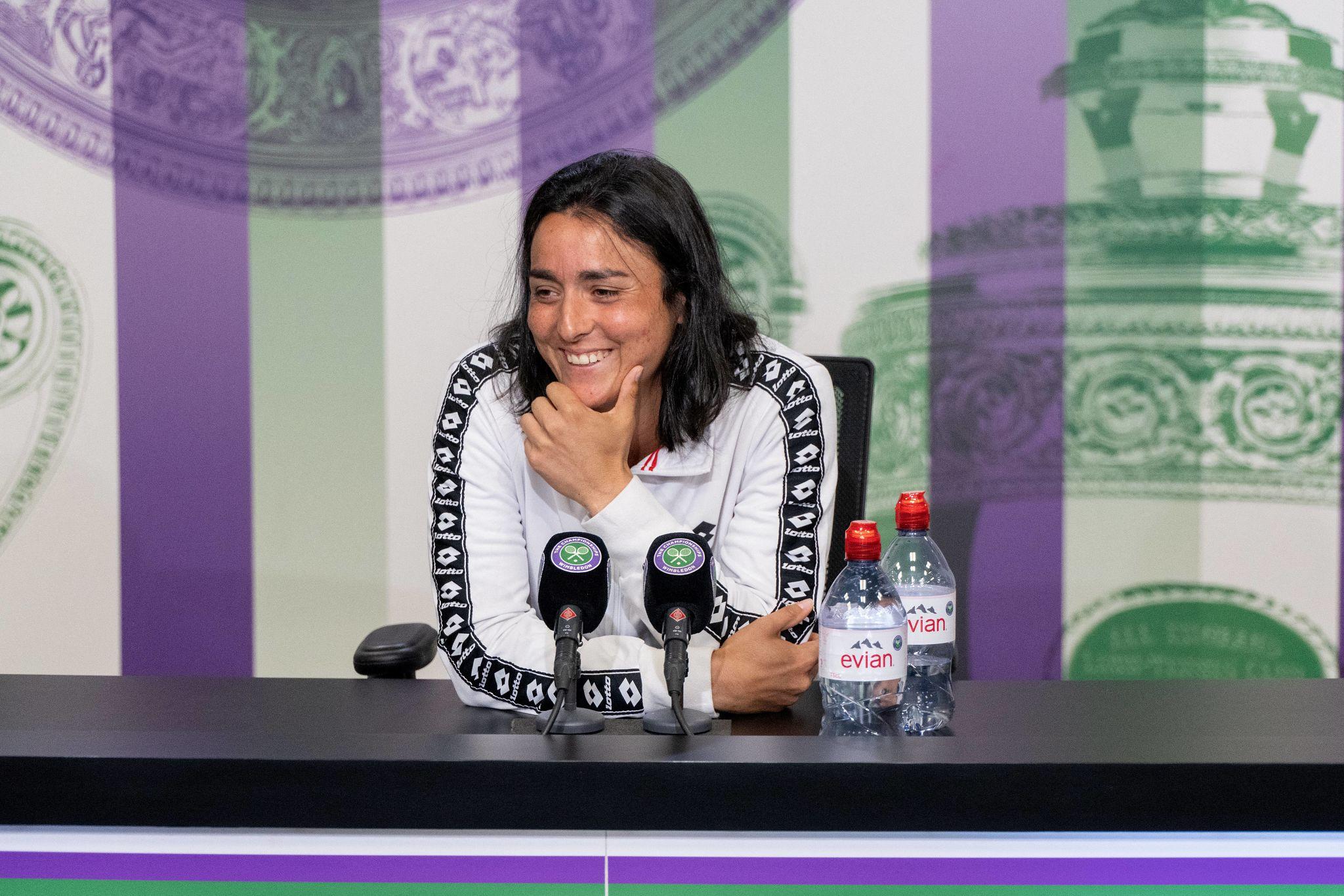
KYIV, Ukraine (Parliament Politics Magazine) The Russia Ukraine sports controversy is once again drawing international attention after Ukrainian tennis player Oleksandra Oliynykova publicly criticized Russian players for what she described as a lack of acknowledgment regarding the ongoing war. Her comments have reignited discussions across the sporting world about neutrality, athlete responsibility, and whether sports can truly remain separate from geopolitical conflicts.
For years, the Russia Ukraine sports controversy has remained one of the most sensitive issues in international athletics. While sporting organizations have attempted to maintain neutral policies, athletes continue to face difficult questions both on and off the court.
Ukrainian Athletes Continue Raising Concerns
The latest comments from Oliynykova reflect concerns that many Ukrainian athletes have expressed since the conflict began. Several competitors have argued that sports should not ignore the realities faced by those directly affected by war.
Many Ukrainian players continue to compete internationally while dealing with concerns about family members, friends, and communities back home. As a result, the Russia Ukraine sports controversy often extends beyond competition and becomes a discussion about human experiences during times of conflict.
According to sports analysts, athletes from Ukraine increasingly view international tournaments as opportunities to remind the world that the conflict remains ongoing.
“Sports may unite people, but they cannot erase the realities that millions are living through every day,”
one European sports commentator said.
Tennis Remains at the Center of the Debate
Professional tennis has become one of the most visible examples of the Russia Ukraine sports controversy because athletes from both countries regularly compete against one another.
Unlike team sports that may involve restrictions or qualification barriers, tennis tournaments frequently place Ukrainian and Russian players on the same court. These matchups often attract significant media attention and create questions regarding player interactions before and after matches.
Tournament organizers have generally followed policies allowing Russian and Belarusian athletes to participate under neutral status. Supporters of these policies argue that individual athletes should not be held accountable for government actions.
However, critics believe the issue is more complex and argue that public figures possess platforms that can influence international awareness.
Neutrality Policies Continue Facing Scrutiny
The discussion surrounding neutrality remains one of the most debated aspects of the Russia Ukraine sports controversy.
International governing bodies have consistently emphasized that sport should remain open and inclusive whenever possible. Yet many observers argue that neutrality itself can become controversial during major geopolitical crises.
Some athletes have chosen to avoid political statements entirely, while others have publicly expressed support for peace. Every decision receives scrutiny from fans, journalists, and fellow competitors.
The challenge for sports organizations is finding a balance between fairness, freedom of expression, and public expectations.
“There is no perfect solution when global conflicts intersect with international sports,”
said a sports governance expert familiar with athlete participation policies.
Emotional Impact Extends Beyond Competition
For many athletes, the Russia Ukraine sports controversy is not simply a political issue. It is a deeply personal matter that affects their daily lives and careers.
Sports psychologists note that competing at the highest level while managing emotional stress can be extremely challenging. Athletes must maintain focus during tournaments while also coping with ongoing developments related to the conflict.
Several Ukrainian competitors have spoken publicly about disrupted training schedules, relocations, and concerns for loved ones. These experiences continue shaping conversations within professional sports.
The emotional toll is one reason why the debate remains active despite years passing since the conflict began.
Historical Context Shows Sports and Politics Often Intersect
The relationship between sports and international politics is not a new phenomenon.
Throughout modern history, sporting events have frequently reflected broader geopolitical tensions. From Olympic boycotts during the Cold War to participation restrictions during regional conflicts, athletics has often served as a stage where political realities become visible.
The Russia Ukraine sports controversy follows a historical pattern in which major world events influence international competition.
Experts say these situations demonstrate how sports can both unite people and reveal divisions that exist beyond the playing field.
Social Media Amplifies Every Athlete Statement
One major difference between past conflicts and today’s environment is the influence of social media.
Athletes now communicate directly with global audiences, meaning comments can spread internationally within minutes. This increased visibility has amplified every aspect of the Russia Ukraine sports controversy.
Fans expect public figures to share opinions on important issues, while others believe athletes should focus solely on competition.
The result is an environment where even routine comments can become headline news.
“Modern athletes are among the most influential voices in global culture, whether they seek that role or not,”
a media analyst explained.
Sports Organizations Face Ongoing Challenges
International sports federations continue navigating one of the most complicated issues in modern athletics.
Officials must balance competitive fairness, athlete rights, public opinion, and organizational consistency. Every decision regarding participation, symbolism, and public statements attracts scrutiny from multiple perspectives.
As a result, the Russia Ukraine sports controversy remains a significant governance challenge that extends beyond tennis and influences discussions across numerous sports.
Observers expect governing bodies to continue reviewing policies as international circumstances evolve.
Future Outlook for International Competition
Experts believe the Russia Ukraine sports controversy will likely remain part of global sports discussions throughout 2026 and beyond.
As long as the conflict continues affecting lives and international relations, athletes, organizations, and fans will continue debating the role of sports during times of crisis.
Professional tennis is expected to remain one of the primary stages where these conversations occur due to the continued participation of players from both countries.
The ongoing debate highlights broader questions about neutrality, responsibility, and the evolving role of athletes in modern society.
How Sports and Global Conflicts Have Intersected Throughout History
Previous decades have shown that sports often reflect larger global realities. Major international competitions have faced challenges related to wars, political disputes, sanctions, and diplomatic tensions.
The current Russia Ukraine sports controversy represents the latest chapter in a long history of sports intersecting with world events. While circumstances differ from past examples, the central question remains similar: how should sports respond when global conflicts affect athletes and nations?
Key Takeaways From the Russia Ukraine Sports Controversy
The Russia Ukraine sports controversy continues shaping conversations across international sports as Ukrainian athletes raise concerns about the ongoing conflict and its impact on competition. Oleksandra Oliynykova’s recent comments have once again highlighted the challenges facing athletes, governing bodies, and fans alike.
While organizations strive to preserve competitive integrity, the realities of war continue influencing the sporting world. As tournaments continue throughout 2026, the discussion surrounding neutrality, athlete responsibility, and international competition is unlikely to fade anytime soon.