

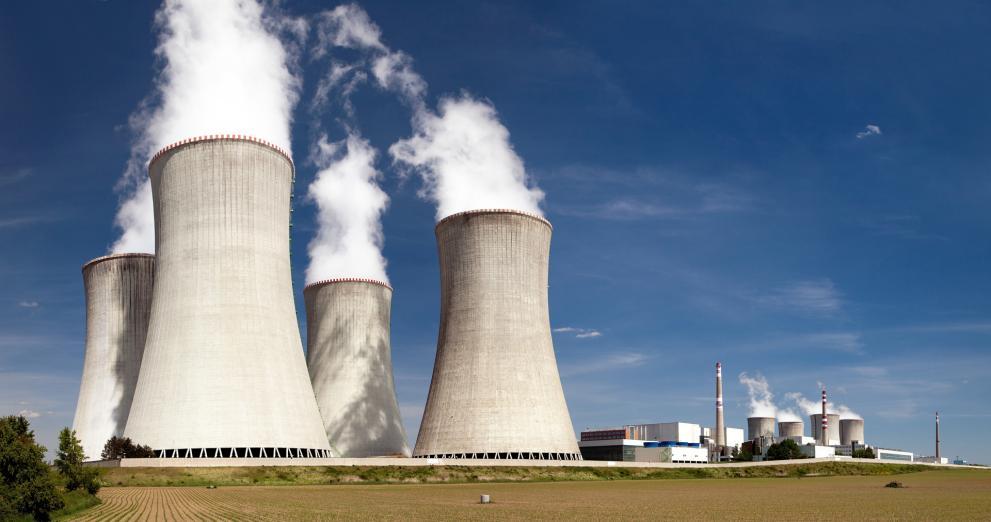
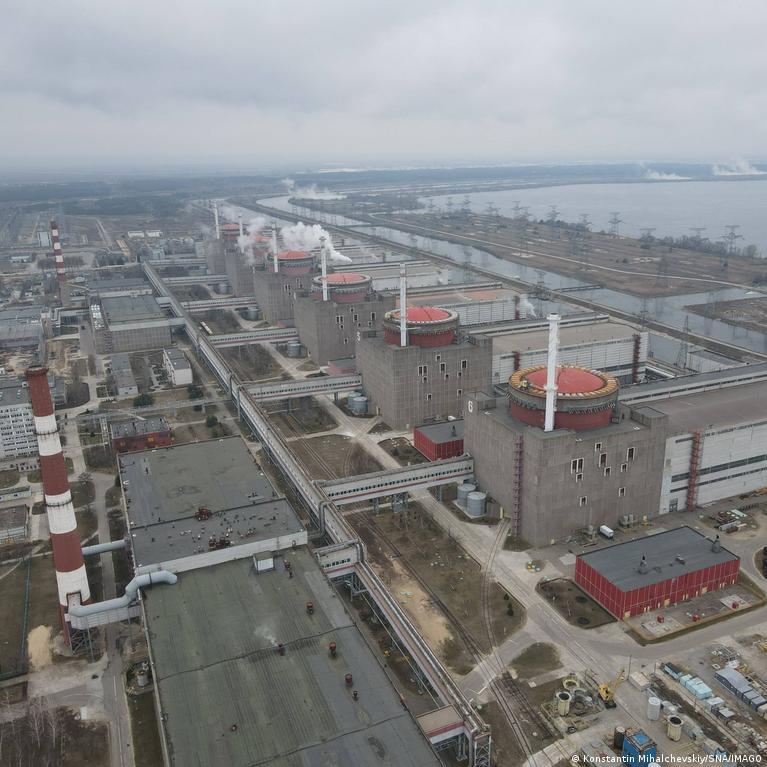
ZAPORIZHZHIA REGION, UKRAINE (Parliament Politics Magazine) Ukraine nuclear safety concerns have intensified following reports from Russian state nuclear company Rosatom that a Ukrainian drone struck an area associated with the Zaporizhzhia nuclear power plant. The facility, Europe’s largest nuclear station, remains one of the most sensitive locations in the ongoing conflict and continues to draw international attention.
Officials reported that safety systems remained operational and that no immediate radiation threat was detected. However, the latest claims have once again highlighted the challenges of protecting critical nuclear infrastructure during a prolonged military conflict. The discussion surrounding Ukraine nuclear safety has become increasingly important as military activity continues near strategic energy facilities.
“Any military activity near a nuclear power facility increases global concern because the consequences can extend far beyond national borders.”
Reported Drone Activity Renews Security Questions
The latest incident has placed Ukraine nuclear safety at the center of international discussions. While details remain subject to verification, reports of drone operations near the facility have raised questions regarding the effectiveness of existing security measures.
Military analysts note that modern drone technology has become increasingly common in conflict zones. As a result, critical infrastructure such as power plants, transportation hubs, and energy facilities face elevated risks from aerial threats.
The Zaporizhzhia plant has remained under constant scrutiny due to its strategic significance and potential regional impact. Experts say maintaining Ukraine nuclear safety requires continuous monitoring, emergency preparedness, and cooperation among international stakeholders.
Why Zaporizhzhia Remains a Global Concern
The importance of Ukraine nuclear safety extends beyond the country’s borders. The Zaporizhzhia facility previously supplied a significant share of Ukraine’s electricity generation and remains a critical part of Europe’s broader energy landscape.
Experts emphasize that nuclear plants require uninterrupted cooling systems, monitoring equipment, and highly trained personnel. Any disruption to these systems can create operational challenges even when reactors are not producing power.
The continued focus on Ukraine nuclear safety reflects growing awareness that nuclear infrastructure must remain protected regardless of military developments.
“Nuclear facilities should never become targets or operate under constant security threats.”
International Monitoring Efforts Continue
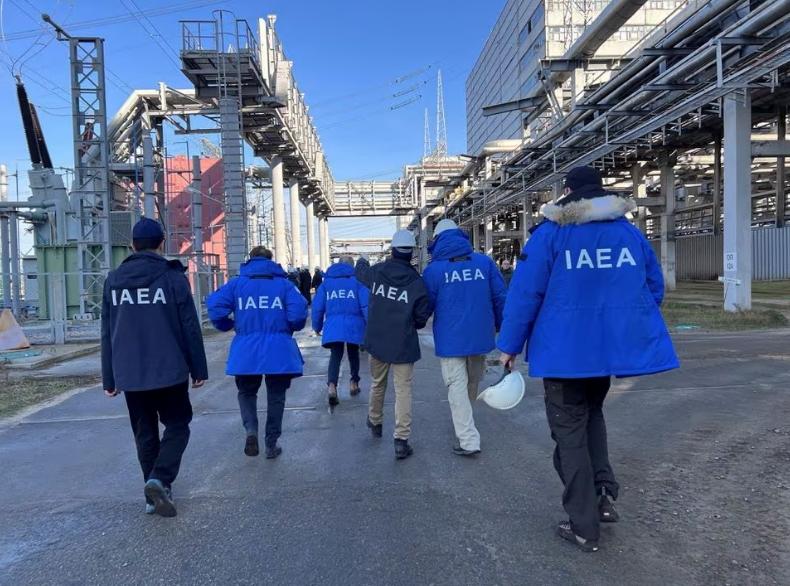
Global organizations continue monitoring developments around the site. The issue of Ukraine nuclear safety has frequently appeared on the agenda of international discussions regarding regional stability and conflict management.
Independent observers have repeatedly stressed the importance of transparency, communication, and access to accurate information surrounding incidents involving nuclear facilities.
As new reports emerge, international stakeholders are expected to continue evaluating conditions around the plant. Maintaining Ukraine nuclear safety remains a key objective for organizations focused on nuclear oversight and emergency response.
How Nuclear Security Became a Central Issue in Ukraine
The discussion surrounding Ukraine nuclear safety has deep historical roots. Ukraine has remained highly sensitive to nuclear issues since the 1986 Chernobyl disaster, one of the most significant nuclear accidents in modern history.
Following that event, extensive reforms strengthened safety regulations, emergency response systems, and international cooperation. Over the decades, protecting nuclear facilities has remained a national and international priority.
Since 2022, concerns regarding Ukraine nuclear safety have increasingly focused on the risks associated with military activity near operational nuclear infrastructure. The Zaporizhzhia facility has become a symbol of those concerns because of its size, strategic importance, and proximity to active conflict areas.
Energy Infrastructure Remains Under Pressure
Analysts say Ukraine nuclear safety is closely linked to broader concerns regarding energy infrastructure protection. Modern economies depend heavily on reliable electricity networks, making major power facilities strategically important.
The continued presence of military activity near critical infrastructure has prompted repeated warnings from experts who argue that protecting civilian energy assets should remain a priority.
The latest developments reinforce the importance of maintaining strong physical security measures around nuclear installations. Strengthening Ukraine nuclear safety measures remains a critical objective for both national authorities and international observers.
Global Implications Beyond Ukraine
The significance of Ukraine nuclear safety extends far beyond Eastern Europe. Governments worldwide closely monitor incidents involving nuclear facilities because even localized disruptions can influence energy markets, geopolitical stability, and public confidence.
The ongoing situation has also increased interest in counter-drone technologies and infrastructure protection strategies designed to reduce risks around critical facilities.
“Protecting nuclear infrastructure is an international responsibility that requires cooperation beyond political differences.”
Experts believe the ongoing focus on Ukraine nuclear safety could influence future international policies regarding the protection of nuclear facilities during armed conflicts.
What the Latest Developments Mean for Ukraine Nuclear Safety
The latest reports involving the Zaporizhzhia nuclear facility have once again placed Ukraine nuclear safety in the global spotlight. While officials report that safety systems remain functional, concerns about military activity near critical infrastructure continue to generate international attention.
As monitoring efforts continue and additional information becomes available, Ukraine nuclear safety remains a priority for governments, energy experts, and international organizations. The situation underscores the importance of maintaining strong safety standards, transparent communication, and ongoing oversight around some of the world’s most sensitive infrastructure.