


SOUTHERN LEBANON (Parliament Politics Magazine) Regional stability concerns have intensified following recent military developments in southern Lebanon, where security operations and heightened tensions continue attracting international attention. Governments, analysts, and diplomatic organizations are closely monitoring the situation amid fears that localized incidents could have broader implications for Middle Eastern security.
The latest developments have placed renewed focus on cross-border tensions, military readiness, and diplomatic efforts designed to prevent further escalation. As regional actors assess evolving conditions, regional stability concerns remain central to discussions surrounding security and long-term peace.
“Maintaining stability requires careful coordination between security measures and diplomatic engagement.”
Security Developments Draw International Attention
Recent military activity in southern Lebanon has increased regional stability concerns among governments and international organizations. The area has long been regarded as one of the Middle East’s most sensitive security zones due to its history of conflict and strategic importance.
Observers note that developments in the region often attract global attention because of their potential impact on neighboring countries and international security interests. The latest events have prompted renewed diplomatic discussions focused on reducing tensions and encouraging restraint.
Many policymakers continue emphasizing the importance of preventing isolated incidents from escalating into broader confrontations.
Strategic Locations Remain Central to Security Planning
Control of key locations often plays a significant role in military operations and regional security calculations. Strategic terrain can influence surveillance capabilities, logistics, and operational planning.
The current situation has increased regional stability concerns because military actions involving strategically important areas frequently carry political and symbolic significance. Analysts believe that developments involving such locations can affect broader perceptions regarding security conditions throughout the region.
Military experts continue evaluating how recent operations may influence future planning and regional dynamics.
Diplomatic Efforts Focus on Preventing Escalation
Diplomatic engagement remains a critical component of efforts to address regional stability concerns. Governments throughout the Middle East and beyond continue encouraging communication and dialogue aimed at reducing risks.
International organizations have repeatedly stressed the importance of restraint while emphasizing that long-term security requires political solutions alongside military considerations.
The latest developments have renewed calls for diplomatic initiatives capable of addressing immediate security issues while supporting broader regional stability objectives.
“Dialogue remains one of the most effective tools available for preventing unnecessary escalation.”
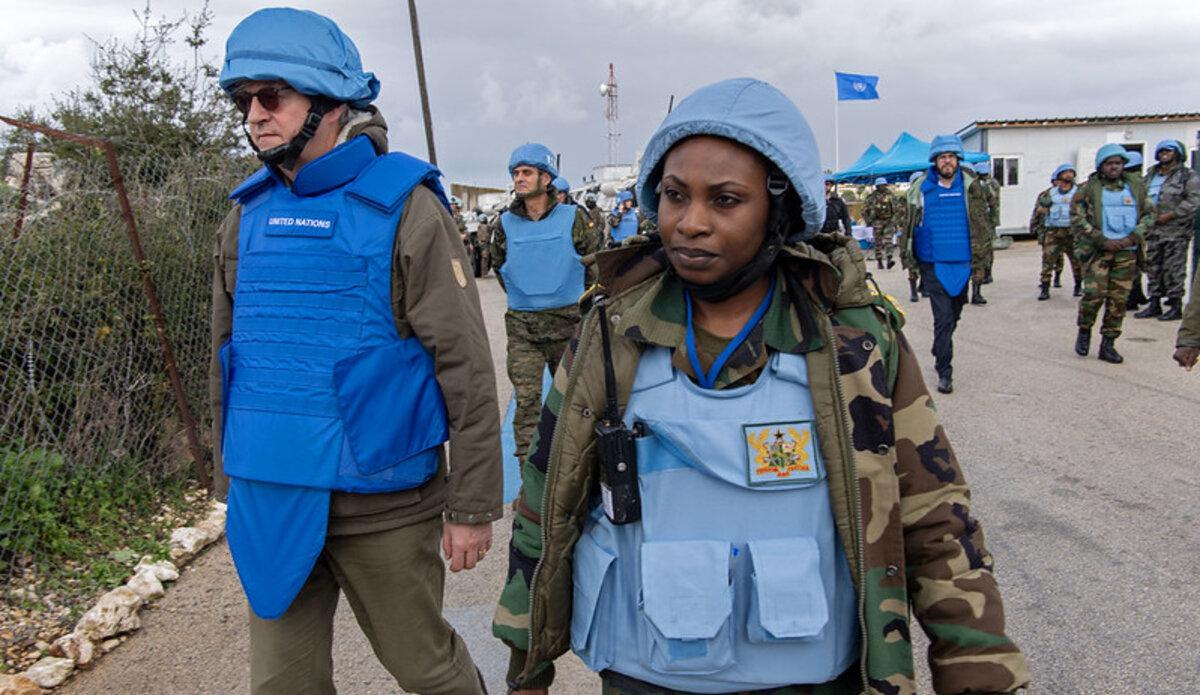
Impact on Civilian Communities
Civilian populations often bear the greatest burden when security conditions deteriorate. Communities located near areas affected by military activity frequently face uncertainty regarding safety, economic opportunities, and daily life.
The ongoing situation has heightened regional stability concerns among humanitarian organizations working to support vulnerable populations. These groups continue emphasizing the importance of protecting civilians and preserving access to essential services.
Economic activity, education, healthcare, and local infrastructure can all be affected when security challenges persist over extended periods.
Historical Context Shapes Current Concerns
The Middle East has experienced multiple periods of tension and conflict over recent decades. Historical developments continue influencing how governments interpret current events and evaluate future risks.
Many analysts note that regional stability concerns often increase whenever longstanding disputes intersect with emerging security challenges. Historical experiences have demonstrated how quickly localized developments can attract broader international involvement.
Understanding this context helps explain why recent events have generated substantial attention from policymakers and security experts.
Regional Governments Monitor Developments Closely
Governments throughout the region continue monitoring the evolving situation while assessing potential implications for national security and diplomatic relations.
The rise in regional stability concerns has encouraged increased communication among regional partners seeking to avoid misunderstandings and maintain stability. Security officials remain focused on managing risks while preserving opportunities for dialogue.
Observers believe regional cooperation will remain important in addressing challenges that extend beyond national borders.
“Stability is often strongest when neighboring countries work together to address shared concerns.”
Global Implications Extend Beyond the Region
The effects of regional stability concerns frequently extend beyond the Middle East itself. International markets, energy supplies, trade routes, and diplomatic relationships can all be influenced by developments in strategically important areas.
Global investors and policymakers continue evaluating how security conditions may affect broader economic and geopolitical trends. The interconnected nature of modern international relations means regional developments often carry worldwide implications.
Analysts continue emphasizing the importance of maintaining predictable conditions to support economic growth and international cooperation.
What the Current Situation Means for Future Stability
The latest developments have reinforced regional stability concerns among governments and international observers seeking to prevent further escalation. While the situation remains fluid, many experts believe diplomatic engagement will continue playing an essential role in shaping outcomes.
Efforts to balance security requirements with political dialogue are expected to remain central to future strategies. Policymakers continue emphasizing the importance of long-term solutions capable of addressing both immediate challenges and underlying sources of tension.
The coming months will likely provide important insights regarding the direction of regional security conditions.
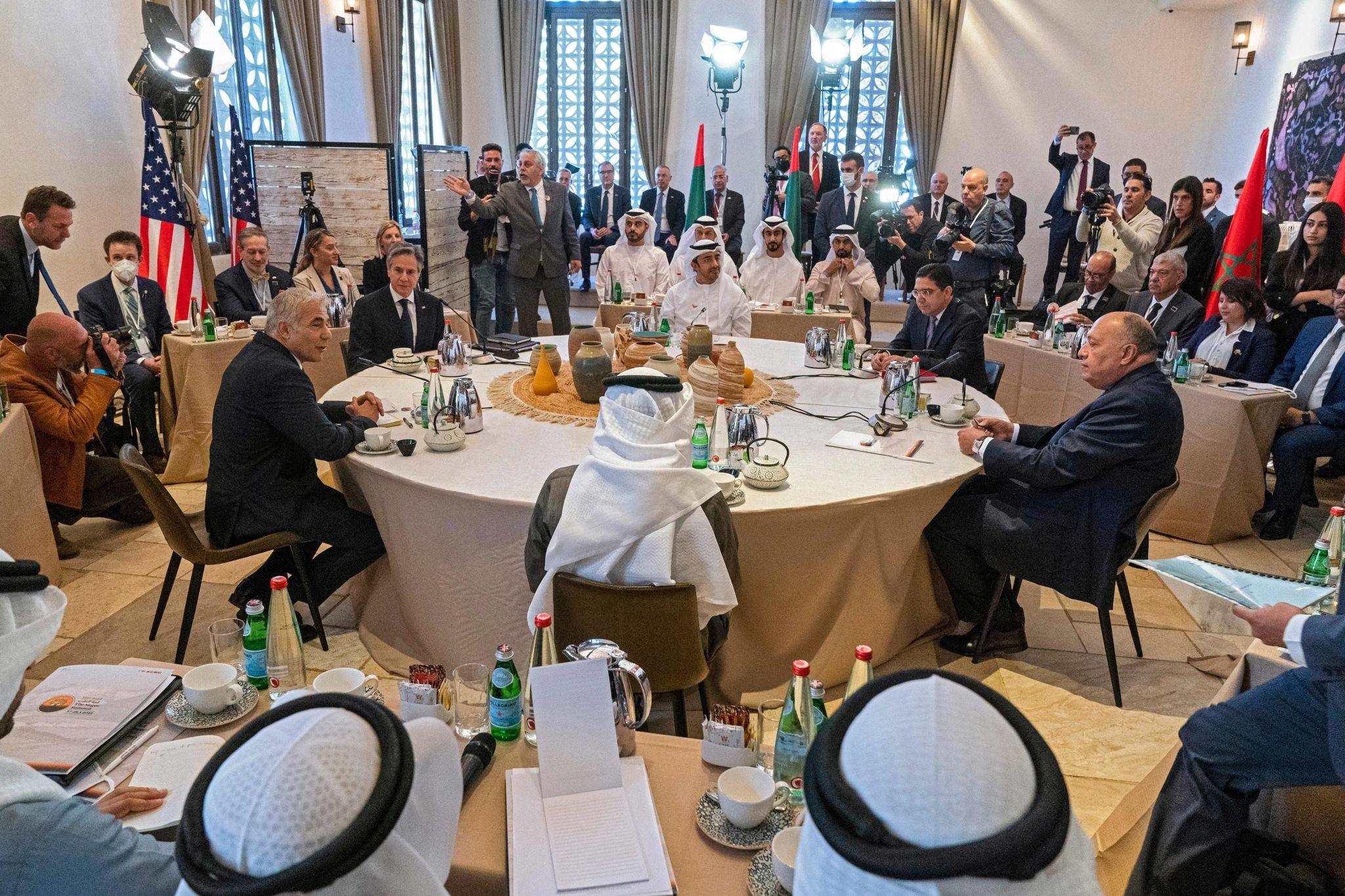
What Regional Stability Concerns Mean for the Middle East’s Future
The current security environment underscores the complexity of maintaining peace in a region characterized by overlapping political, military, and economic interests. While challenges remain, diplomatic channels continue operating and international stakeholders remain engaged.
The ability of governments to manage risks responsibly while pursuing constructive dialogue will play a major role in determining future stability. As events continue to unfold, regional stability concerns are expected to remain a central focus of policy discussions throughout 2026.