


MOSCOW, Russia (Parliament Politics Magazine) Regional security developments have become a major focus of international attention following reports of drone operations targeting multiple Russian regions. The incidents prompted security responses, air defense activations, and renewed discussion regarding the evolving nature of modern military operations.
Officials across several regions reported aerial threats during the latest wave of activity, while emergency responders and defense personnel worked to assess impacts and maintain public safety. The situation has reinforced concerns regarding emerging security challenges and the increasing role of unmanned systems in contemporary conflict environments.
The latest regional security developments are being closely monitored by governments, military analysts, and international organizations seeking to understand potential implications for future security planning.
“Modern security challenges increasingly require rapid adaptation to emerging technologies and evolving threats.”
Drone Operations Expand the Scope of Modern Conflict
Recent events have demonstrated how drone technology continues reshaping military operations and strategic planning.
The latest regional security developments highlight the ability of unmanned systems to operate over significant distances while influencing military decision-making far beyond traditional front-line areas. Analysts note that drones have become an increasingly important component of modern conflict due to their versatility and operational flexibility.
Governments worldwide continue studying these developments as they evaluate future defense requirements and security investments.
The growing role of drone technology is expected to remain a defining feature of military planning for years to come.
Air Defense Networks Face New Challenges
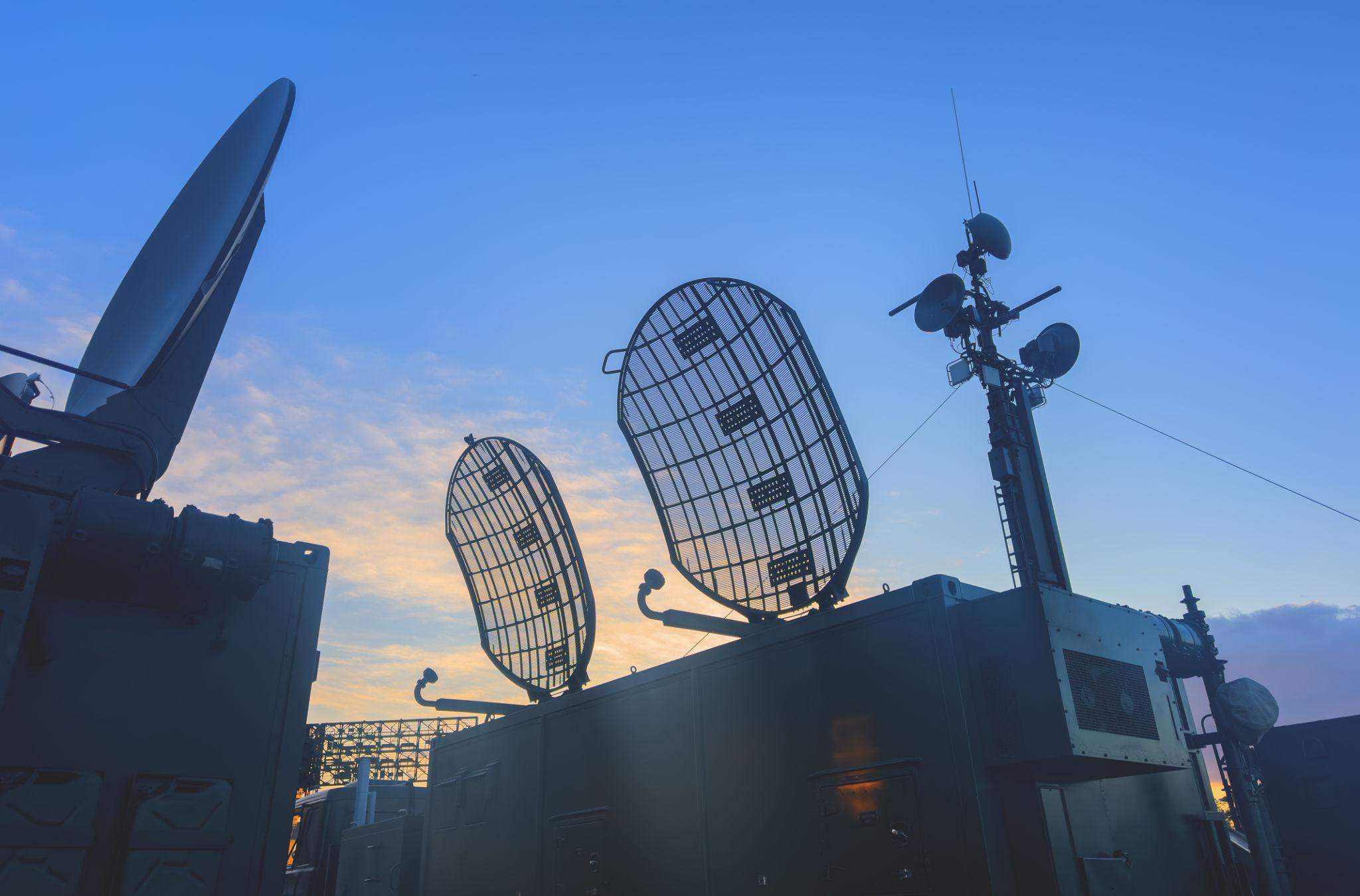
Air defense systems played a central role in responding to the latest incidents.
The recent regional security developments have renewed attention on the importance of detecting, tracking, and intercepting aerial threats before they reach intended targets. Defense experts note that modern air defense strategies increasingly incorporate advanced sensors, electronic warfare systems, and integrated response networks.
The effectiveness of these systems remains a key area of interest for military planners and security professionals around the world.
As aerial technologies continue evolving, governments are expected to invest further in defensive capabilities designed to address emerging threats.
Authorities Focus on Infrastructure Protection
Protecting critical infrastructure remains a major priority during periods of heightened security activity.
The latest regional security developments have prompted authorities to review security measures surrounding transportation facilities, communication systems, industrial sites, and energy infrastructure.
Officials frequently emphasize the importance of maintaining operational continuity during security incidents because disruptions can affect both economic activity and public confidence.
Infrastructure resilience continues to play an increasingly important role in national security planning.
“Protecting critical infrastructure is essential to maintaining stability during periods of uncertainty.”
Military Analysts Assess Strategic Implications
Security specialists continue evaluating the broader significance of recent events.
The ongoing regional security developments are viewed by many analysts as part of a larger trend involving the integration of advanced technologies into military operations. Unmanned systems, precision targeting capabilities, and electronic warfare tools are increasingly influencing operational planning.
Experts believe lessons learned from current conflicts will shape future military doctrines and defense strategies worldwide.
The rapid pace of technological innovation continues changing how governments approach both offensive and defensive operations.

International Attention Remains High
Governments and international organizations continue monitoring the evolving situation closely.
The latest regional security developments have generated interest beyond the immediate area because security incidents involving advanced technologies often carry broader geopolitical implications.
Policymakers continue assessing potential impacts on regional stability, diplomatic engagement, and international security frameworks.
Many observers stress the importance of communication and risk management during periods of elevated tension.
Historical Evolution of Security Threats
Security threats have evolved dramatically over the past several decades.
Traditional military operations once relied primarily on conventional forces operating within clearly defined geographic areas. Today, technological innovation has expanded the range and complexity of potential threats.
The current regional security developments illustrate how modern conflicts increasingly involve cyber capabilities, drones, precision systems, and integrated defense networks.
Understanding this evolution helps explain why contemporary security environments differ significantly from those of previous generations.
Economic Considerations Remain Important
Security conditions often influence economic planning and investment decisions.
The latest regional security developments have prompted discussions regarding infrastructure resilience, supply chain protection, insurance considerations, and broader economic preparedness.
Businesses operating in affected regions continue monitoring developments while assessing potential operational impacts.
Economic stability remains closely connected to perceptions of security and predictability.
“Strong security frameworks support economic confidence and long-term investment.”
Governments Adapt to Emerging Threats
The growing complexity of modern security challenges is encouraging governments to adapt policies and capabilities.
The latest regional security developments underscore the importance of flexibility, innovation, and preparedness in responding to rapidly changing conditions.
Military planners increasingly focus on integrating technology, intelligence gathering, and coordinated response systems into comprehensive security strategies.
Many experts believe future security planning will depend heavily on the ability to anticipate and adapt to new forms of risk.
What Regional Security Developments Mean for Future Defense Planning
The recent incidents provide important insights regarding the future direction of military and security planning.
The ongoing regional security developments demonstrate how technology is reshaping defense priorities and influencing operational requirements. Governments around the world continue studying these trends as they seek to improve readiness and resilience.
Future investments are expected to focus increasingly on advanced detection systems, electronic defenses, and integrated security networks capable of addressing emerging threats.
What Regional Security Developments Mean for Global Stability
The latest events illustrate the growing complexity of modern security environments and the importance of adapting to technological change. While immediate concerns remain focused on operational responses, broader implications extend into defense planning, international relations, and strategic decision-making.
As governments continue evaluating evolving threats, regional security developments are likely to remain central to policy discussions throughout 2026. The lessons emerging from current events will help shape future approaches to security, preparedness, and international cooperation.