

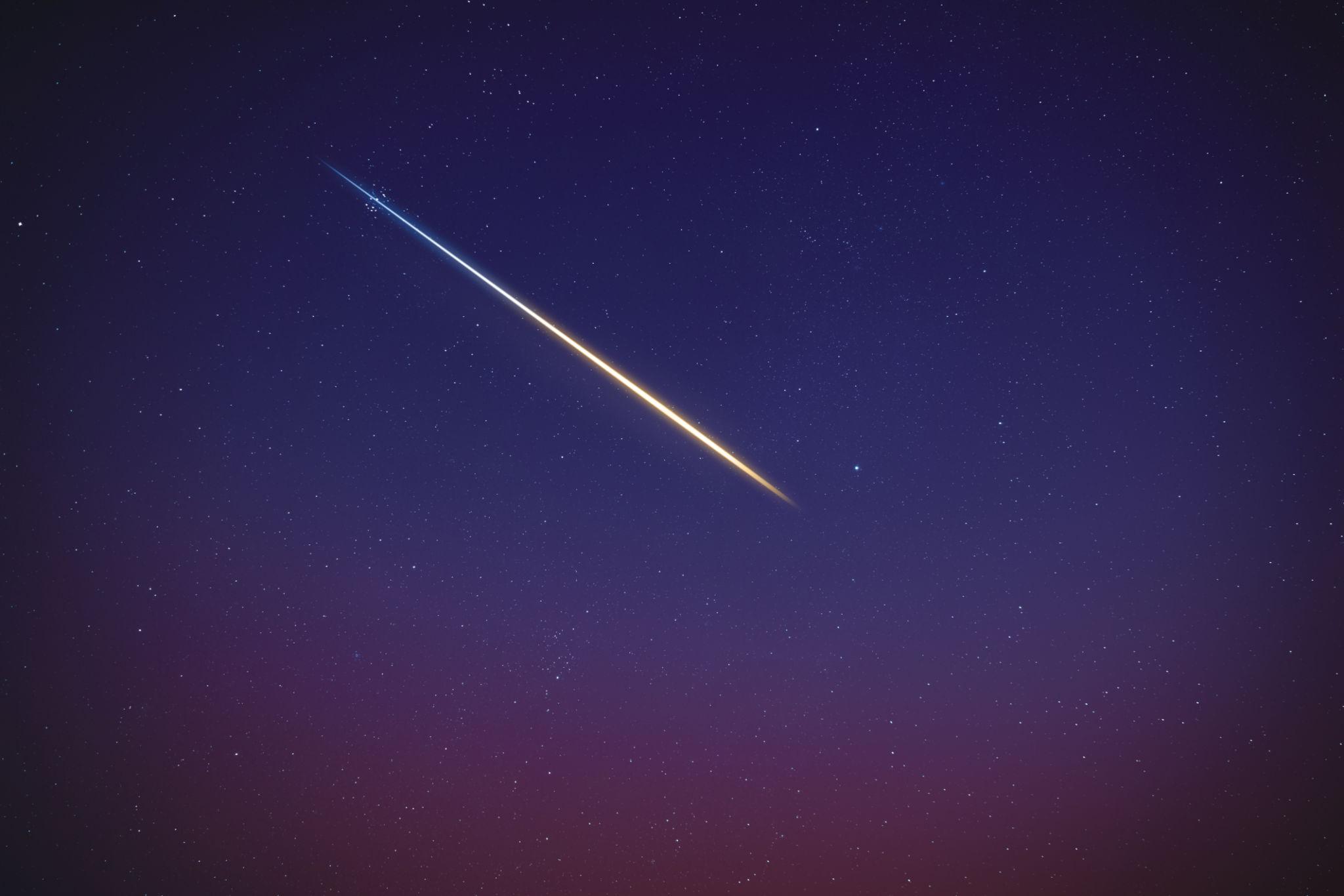
NEW ENGLAND, United States (Parliament Politics Magazine) NASA meteor confirmation has brought clarity to a mysterious sky event that captured attention across New England after residents reported seeing a bright fireball followed by a loud boom. The unusual phenomenon generated thousands of observations from witnesses who described an intense flash moving across the sky before a powerful sound echoed through communities in several states.
Following analysis of observational data and eyewitness reports, officials issued a NASA meteor confirmation identifying the object as a meteor that entered Earth’s atmosphere at high speed. The announcement quickly became one of the most discussed science stories of the week.
The event has renewed public interest in astronomy, meteor activity, and the ongoing monitoring of objects entering Earth’s atmosphere.
“Every meteor event provides scientists with valuable information about our dynamic solar system.”
Bright Fireball Visible Across Multiple States
The latest NASA meteor confirmation followed reports from residents across New England who observed an exceptionally bright object moving rapidly through the sky.
Witnesses described the fireball as significantly brighter than ordinary meteors. Some reported seeing a long glowing trail, while others said the object briefly illuminated the landscape before disappearing.
Scientists explain that a fireball occurs when a relatively large meteoroid enters Earth’s atmosphere and produces an unusually bright display as friction generates intense heat.
The widespread visibility of the event contributed to significant public interest and media coverage.
Loud Boom Prompted Public Questions
One of the most unusual aspects addressed by the NASA meteor confirmation was the loud boom reported by residents.
The sound was likely caused by a sonic shock wave created as the meteor traveled through the atmosphere at extremely high speed. Similar atmospheric events can generate powerful acoustic effects that are heard across wide geographic areas.
Local authorities reportedly received numerous inquiries from residents seeking information about the source of the noise.
Experts note that while meteors enter Earth’s atmosphere regularly, only a small percentage produce dramatic sound effects noticeable to large populations.
Scientists Analyze Data Following the Event
The NASA meteor confirmation was based on scientific analysis involving multiple sources of information.
Researchers reviewed observational reports, atmospheric data, and tracking information to estimate the meteor’s trajectory and characteristics. Modern monitoring systems allow scientists to study these events with far greater accuracy than was possible in previous decades.
The collected information helps experts understand the behavior of meteoroids as they interact with Earth’s atmosphere.
Such analyses also contribute to broader scientific knowledge regarding near-Earth objects and space debris.
“Modern observation technology allows researchers to reconstruct atmospheric events with remarkable precision.”
Public Fascination With Rare Sky Events Continues
The latest NASA meteor confirmation highlights the enduring public fascination with unusual astronomical phenomena.
Events involving bright fireballs often attract attention because they combine dramatic visuals with scientific significance. Social media platforms were quickly filled with photographs, videos, and eyewitness accounts as people attempted to identify what they had witnessed.
Astronomers say public interest in these events provides valuable opportunities for science education and outreach.
Many people who observed the fireball reported developing a greater curiosity about space and astronomy.
Meteor Monitoring Plays an Important Role
The NASA meteor confirmation also demonstrates the importance of monitoring systems designed to track atmospheric entries.
Organizations around the world use radar networks, satellites, telescopes, and observation programs to identify and analyze objects approaching Earth.
Most meteors burn up harmlessly in the atmosphere, but monitoring remains important for both scientific research and public awareness.
Advances in technology continue improving the ability of researchers to detect and study these events.
Historical Examples of Similar Fireballs
The latest NASA meteor confirmation joins a long history of significant meteor events observed around the world.
Throughout history, bright fireballs have occasionally produced visible trails, loud booms, and widespread public interest. Some events have even resulted in meteorite fragments reaching the ground.
Historical records reveal that these phenomena have fascinated societies for centuries, long before modern scientific explanations became available.
Today’s researchers benefit from sophisticated instruments that allow much deeper analysis of such events.
“Human fascination with fireballs and meteors stretches back thousands of years.”
Why Meteors Create Brilliant Displays
Scientists involved in the NASA meteor confirmation explained that meteors become visible because of the intense heat generated during atmospheric entry.
As a meteoroid travels through the atmosphere at high velocity, friction causes surrounding air molecules to heat dramatically. This process creates the bright glow commonly associated with meteors and fireballs.
Larger objects often produce brighter displays because they release more energy during atmospheric interaction.
The New England event provided a striking example of this natural phenomenon.
Educational Value of the Event
The NASA meteor confirmation has created opportunities for educators, researchers, and science communicators to explain how meteors form and why they are important.
Astronomy organizations have used the event to encourage public engagement with science while highlighting the role of observation and research.
Many educators note that real-world astronomical events often inspire interest among students and the general public.
The widespread visibility of the fireball made it an especially effective educational example.
Space Observation Systems Continue Improving
Advances in observation technology continue enhancing the scientific value of events such as the one described in the NASA meteor confirmation.
Modern systems provide researchers with better data regarding object trajectories, atmospheric interactions, and potential meteorite recovery opportunities.
Scientists expect future technological improvements to further increase understanding of meteors and related phenomena.
Continued investment in monitoring capabilities remains an important priority for space research organizations.
What NASA Meteor Confirmation Means for Public Understanding of Space
The New England event demonstrates how scientific analysis can quickly explain unusual natural phenomena that capture public attention.
The NASA meteor confirmation helped transform a mysterious sky event into an educational opportunity while providing reassurance regarding the nature of the phenomenon. Public engagement with astronomy often increases following highly visible events such as fireballs and meteor showers.
The incident serves as a reminder that Earth continues interacting with material from space on a regular basis.
What NASA Meteor Confirmation Means for Future Research
Scientists view events like this as valuable opportunities to improve understanding of meteoroids and atmospheric processes. Each observation contributes new information that can support future research efforts and enhance monitoring capabilities.
As technology continues advancing, future NASA meteor confirmation announcements may provide even greater detail regarding the origins, composition, and behavior of objects entering Earth’s atmosphere. These efforts help strengthen both scientific knowledge and public awareness of our place within a dynamic cosmic environment.