


SAN JOSE, California (Parliament Politics Magazine) robotics manufacturing growth is gaining momentum worldwide as Nvidia expands partnerships with humanoid robot developers in the United States, Europe, and China. The technology giant’s latest strategy reflects growing demand for artificial intelligence-powered automation and highlights how robotics manufacturing growth is becoming a major focus across industrial sectors seeking greater efficiency and productivity.
The announcement comes as manufacturers face labor shortages, rising costs, and increasing pressure to improve output. Companies across multiple industries are investing in advanced robotic systems capable of performing tasks that traditionally required human workers.
“The future of manufacturing will increasingly rely on intelligent robotic systems working alongside people,”
one industry analyst said following the announcement.
Nvidia Strengthens Its Position in Robotics
Nvidia has become one of the most influential companies in artificial intelligence, providing processors and software platforms that power many advanced computing applications. Its expansion into humanoid robotics demonstrates how robotics manufacturing growth is creating new opportunities across the global economy.
Rather than building robots directly, Nvidia supplies the technology that allows robotic systems to process information, recognize objects, navigate environments, and make decisions in real time. This approach enables robotics companies to focus on hardware design while leveraging Nvidia’s artificial intelligence expertise.
The company’s growing network of partnerships suggests that robotics manufacturing growth could become one of the most important industrial trends of the decade.
Humanoid Robots Move Closer to Commercial Adoption
Humanoid robots have attracted significant attention because they are designed to operate in spaces built for humans. Unlike traditional industrial robots that remain fixed in one location, these machines can potentially move through factories, warehouses, and commercial environments while performing a variety of tasks.
Advances in artificial intelligence are helping accelerate robotics manufacturing growth by making robots more adaptable and capable of handling complex assignments. Improved sensors, machine learning models, and computing power have expanded the range of activities robots can perform.
Businesses increasingly view these technologies as tools for enhancing productivity and addressing workforce challenges.
Investment Continues to Increase Across Regions
Developers in the United States and Europe are investing heavily in robotics research and development. Venture capital firms and major corporations alike are funding projects aimed at creating commercially viable humanoid robots for industrial use.
This surge in funding is contributing directly to robotics manufacturing growth as companies race to bring next-generation automation solutions to market. Industries including automotive manufacturing, logistics, warehousing, healthcare, and electronics production are expected to benefit from these advances.
Analysts believe competition among developers will continue driving innovation throughout 2026.
China Remains a Major Robotics Market
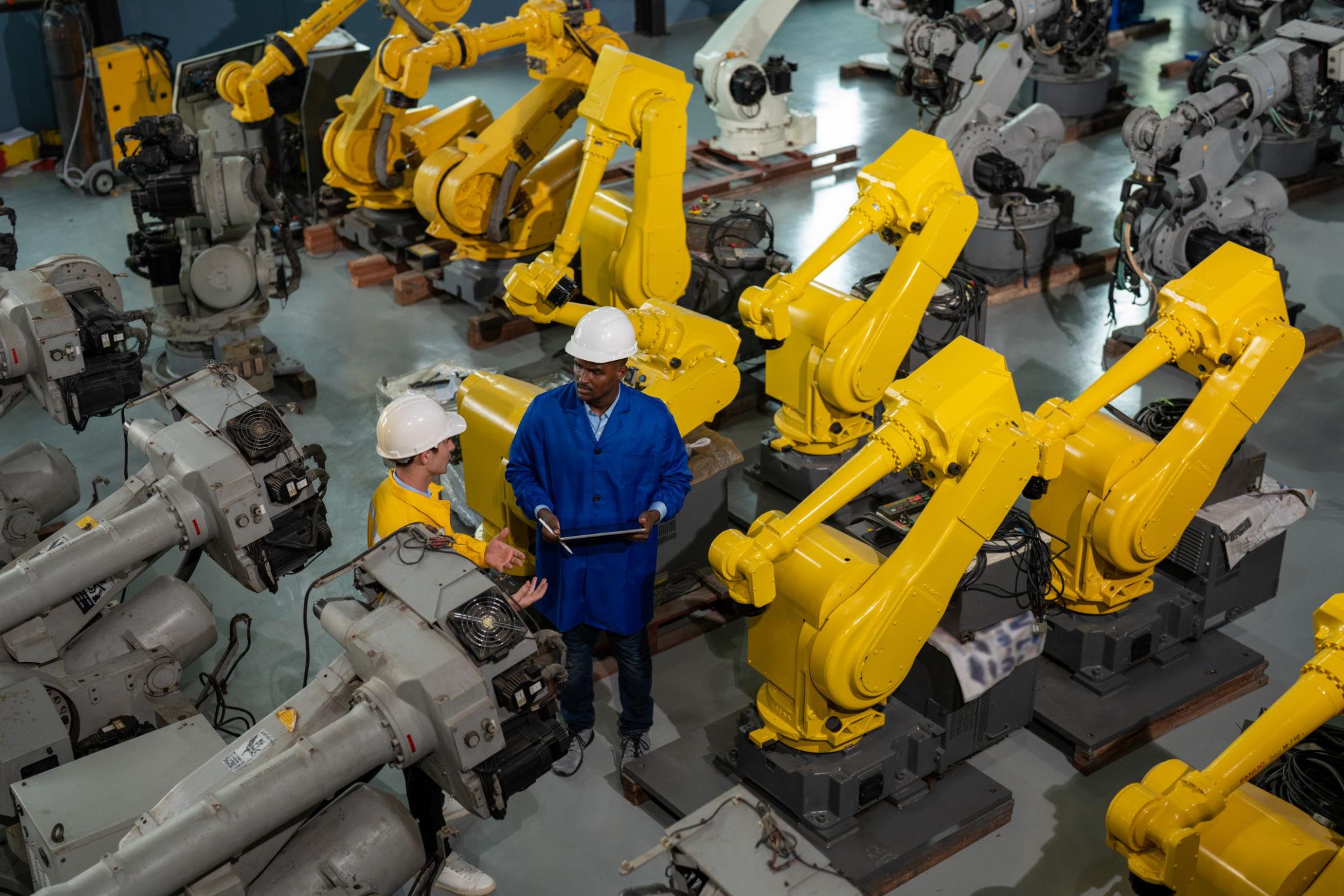
China continues to play a critical role in the global robotics industry. Companies such as Unitree have gained international attention through increasingly sophisticated robotic systems and rapid technological development.
The country’s extensive manufacturing infrastructure supports ongoing robotics manufacturing growth by providing opportunities to test and deploy advanced automation technologies at scale. Many experts believe China’s influence on the future of robotics will remain significant for years to come.
Nvidia’s continued collaboration with Chinese developers reflects the importance of maintaining a global presence within the robotics ecosystem.
Artificial Intelligence Drives the Industry Forward
Artificial intelligence serves as the foundation of modern robotic systems. AI enables robots to interpret data, recognize patterns, respond to instructions, and adapt to changing conditions.
These capabilities are helping fuel robotics manufacturing growth as businesses seek more intelligent forms of automation. Modern robots are increasingly capable of working in dynamic environments that require decision-making and problem-solving abilities.
Industry leaders expect AI advancements to further expand robotic capabilities over the coming years.
“Artificial intelligence is transforming robots from automated machines into intelligent systems capable of supporting real-world operations,”
a robotics researcher said.
A Brief Look at Robotics History
The current phase of robotics manufacturing growth follows decades of technological progress. Early industrial robots appeared in manufacturing environments during the 1960s, primarily handling repetitive assembly-line tasks.
During the 1980s and 1990s, automation expanded throughout automotive production facilities. The 2000s introduced smarter robots equipped with sensors and advanced controls. Today’s AI-powered humanoid systems represent the latest stage of evolution, combining mobility, perception, and machine intelligence.
This historical progression helps explain why robotics manufacturing growth is now attracting unprecedented global attention.
Manufacturing Could See the Greatest Impact
Manufacturing remains one of the sectors most likely to experience widespread robotic adoption. Companies continue searching for ways to improve operational efficiency while maintaining competitiveness in a rapidly changing marketplace.
Experts believe robotics manufacturing growth could help businesses address labor shortages, improve workplace safety, and increase productivity. Warehouses, factories, and distribution centers are expected to remain among the earliest adopters of advanced humanoid robotics.
As costs decline and capabilities improve, adoption rates may continue accelerating.
Outlook for 2026 and Beyond
The latest Nvidia partnerships underscore how robotics manufacturing growth is reshaping industrial strategy around the world. Advances in artificial intelligence, increased investment, and expanding commercial applications suggest that robotics will play a larger role in economic development over the next decade.
Industry forecasts remain optimistic as businesses increasingly recognize the value of intelligent automation. While challenges remain, momentum continues building behind technologies that could fundamentally transform how goods are produced and distributed.
Key Takeaways
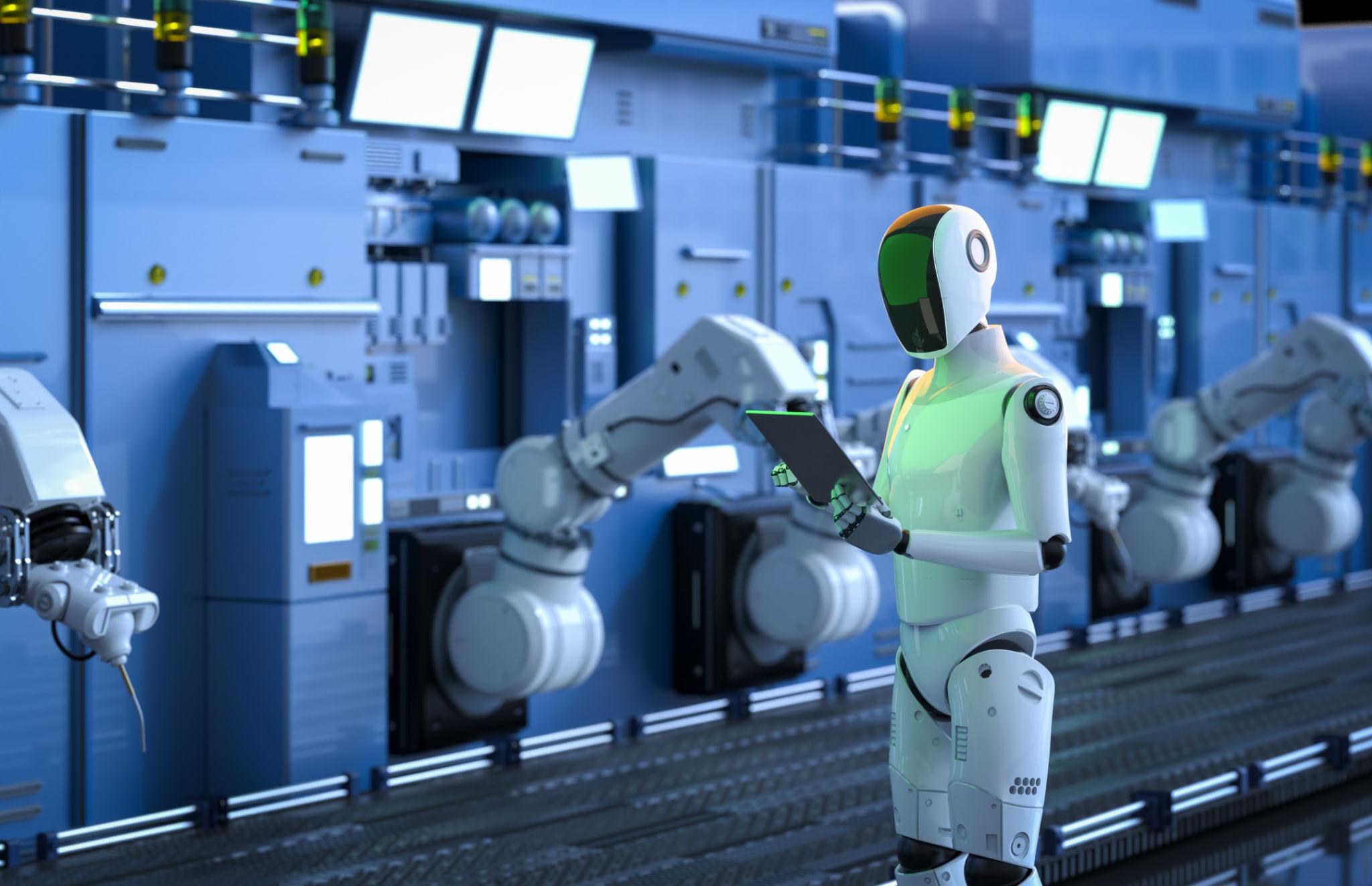
The expansion of Nvidia’s partnerships with humanoid robot developers in the United States, Europe, and China highlights the growing importance of robotics manufacturing growth in the global economy. As artificial intelligence becomes more sophisticated and automation technologies continue evolving, robotics is expected to become an increasingly important component of modern industrial operations. The developments seen in 2026 may represent the beginning of a new era in manufacturing, where intelligent machines and human workers collaborate to achieve greater efficiency, productivity, and innovation.
