


SEOUL, South Korea (Parliament Politics Magazine) semiconductor manufacturing growth continues to gain momentum as global chipmakers increase investments in production facilities, advanced memory technologies, and artificial intelligence infrastructure. The industry’s latest expansion plans reflect growing confidence that AI-related demand will remain one of the strongest drivers of technology spending throughout the decade.
Artificial intelligence has rapidly become a major catalyst for the semiconductor sector. From cloud computing providers to enterprise technology companies, organizations are investing heavily in the computing power needed to support advanced AI systems. As a result, semiconductor manufacturing growth is becoming a key indicator of future technology development and economic activity.
“Artificial intelligence is creating one of the most significant demand cycles the semiconductor industry has experienced in years.”
AI Infrastructure Drives New Investment
The rapid expansion of AI platforms is contributing directly to semiconductor manufacturing growth around the world. Modern artificial intelligence systems require advanced processors, memory chips, and networking technologies capable of handling enormous amounts of data.
Technology companies continue building larger data centers while expanding cloud infrastructure to support AI applications. These developments are encouraging chip manufacturers to increase production capacity and accelerate investments in next-generation technologies.
Industry analysts believe the relationship between AI and semiconductor manufacturing growth will remain strong as businesses adopt increasingly sophisticated digital tools.
Memory Chip Demand Reaches New Levels
Advanced memory products have become critical components of modern AI systems. High-bandwidth memory solutions are increasingly used in AI servers, helping improve performance and efficiency.
This demand is contributing significantly to semiconductor manufacturing growth, particularly among companies focused on memory production. Manufacturers are investing billions of dollars in new facilities and upgraded fabrication technologies designed to support future market requirements.
As artificial intelligence workloads continue increasing, memory suppliers are expected to play an even larger role in the broader semiconductor ecosystem.
“Advanced memory technologies are becoming essential building blocks for the future of artificial intelligence.”
Data Centers Continue Expanding Worldwide
The global expansion of data centers remains another major factor supporting semiconductor manufacturing growth. Cloud providers and enterprise customers continue deploying new facilities capable of supporting AI services, machine learning applications, and large-scale data processing.
Each new data center requires significant quantities of processors, memory chips, storage technologies, and networking equipment. This demand creates ongoing opportunities for semiconductor manufacturers across multiple product categories.
Many analysts view data center investment as one of the most reliable indicators of future semiconductor demand.
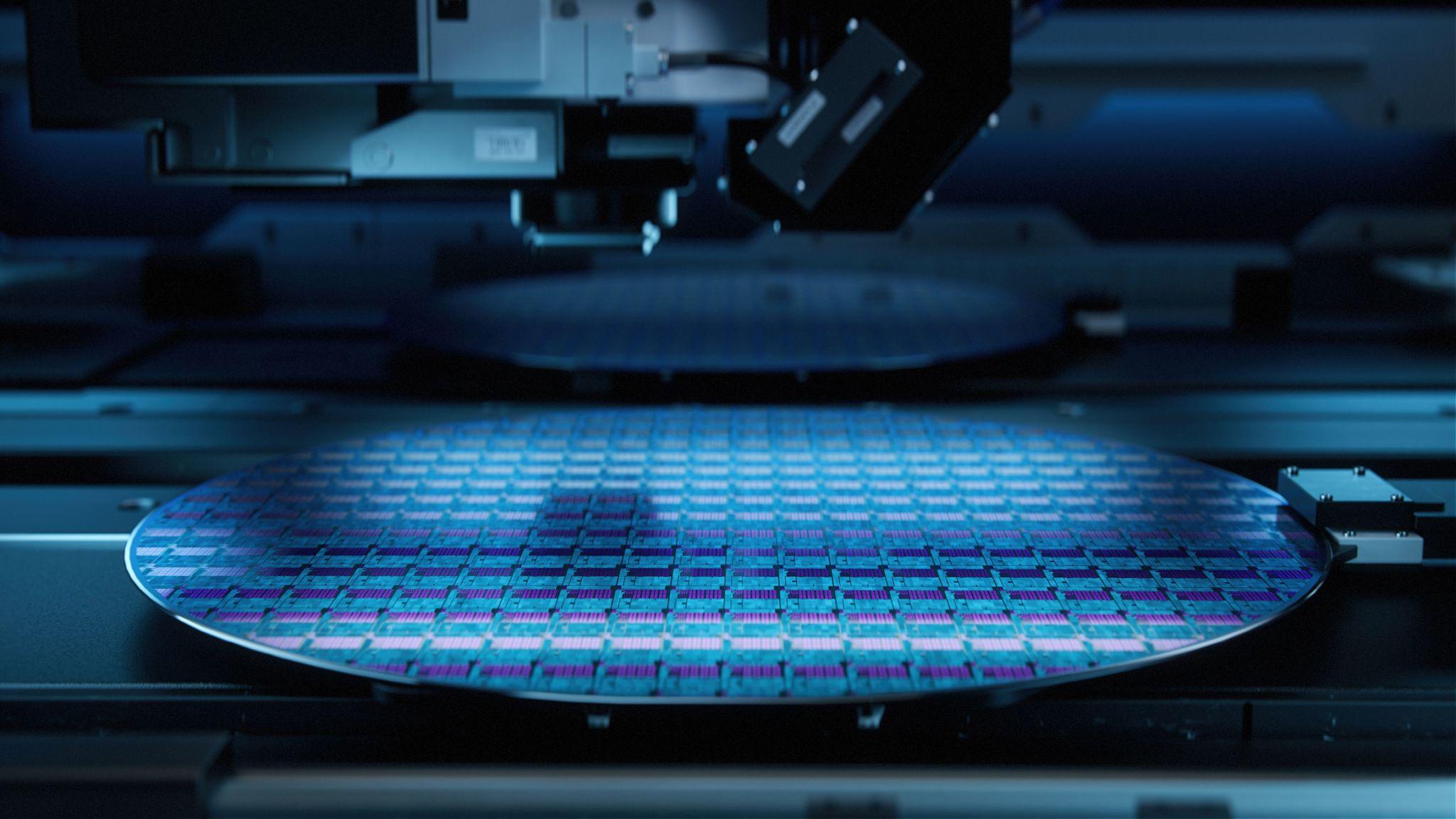
History of Semiconductor Manufacturing Growth
The history of semiconductor manufacturing growth reflects decades of technological transformation. Earlier expansion cycles were driven by personal computers during the 1980s and 1990s. The rise of smartphones created another major growth phase during the 2000s.
Cloud computing later fueled additional investment, leading to the construction of massive data centers worldwide. Today, artificial intelligence represents the newest chapter in the industry’s evolution.
Many experts believe the current AI-driven cycle could become one of the largest in semiconductor history because of the broad range of industries adopting intelligent technologies.
Competition Intensifies Across Global Markets
Governments and technology companies continue investing heavily in semiconductor production as competition increases. Strategic investments in manufacturing facilities, research programs, and advanced fabrication technologies have become priorities for many countries.
This competitive environment is accelerating semiconductor manufacturing growth as producers seek to secure market share and strengthen supply chain resilience.
The race to expand production capacity highlights the growing importance of semiconductors in modern economies.
Economic Benefits Extend Beyond Technology
The impact of semiconductor manufacturing growth extends well beyond the technology sector. New production facilities often generate thousands of jobs while supporting construction, engineering, logistics, and research activities.
Regional economies frequently benefit from increased investment as semiconductor companies establish manufacturing hubs and innovation centers. Policymakers view these developments as important contributors to long-term economic growth.
The broader economic influence of semiconductor production continues expanding as digital technologies become increasingly integrated into everyday life.
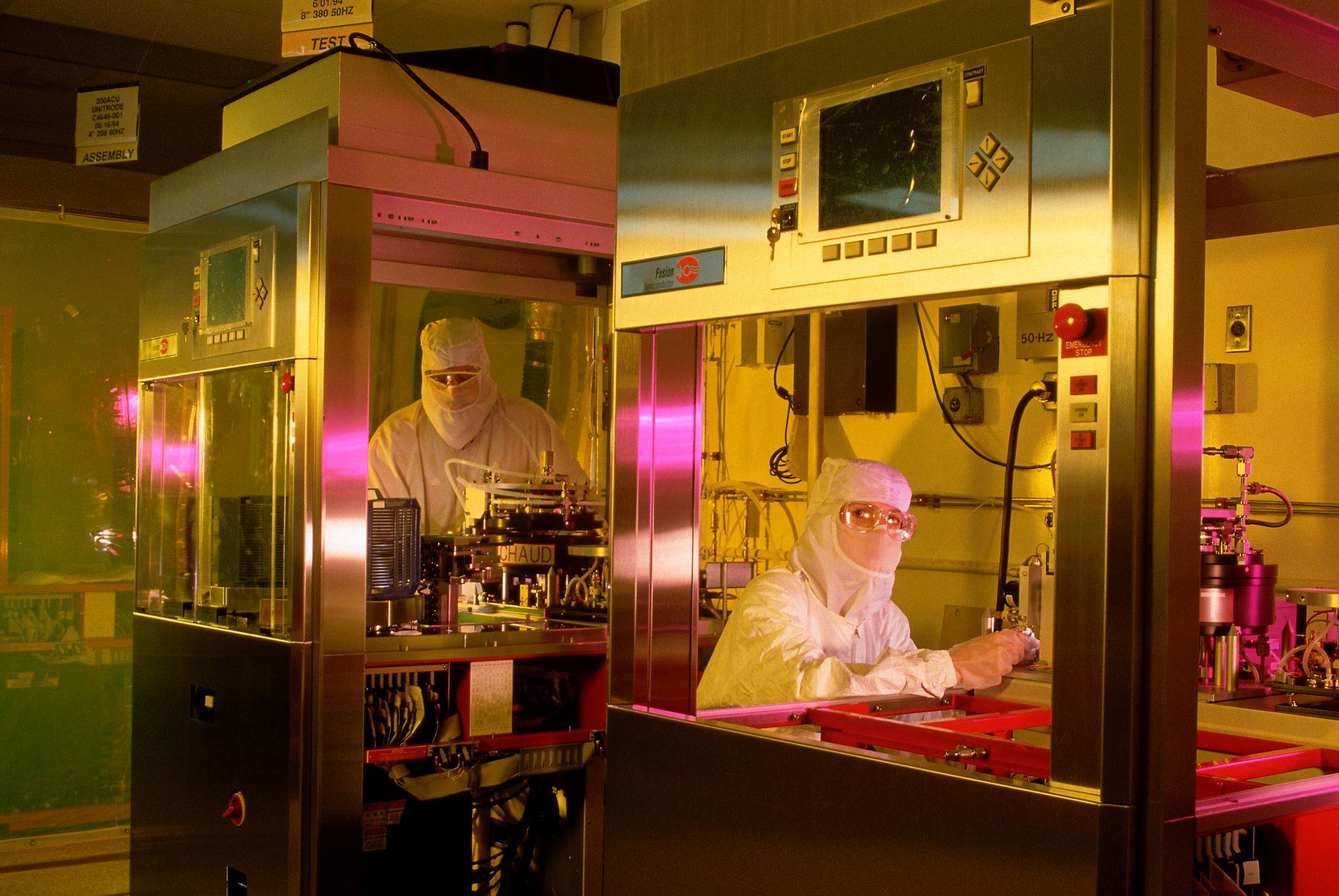
Future Outlook Remains Positive
Industry experts remain optimistic about the future of semiconductor manufacturing growth despite ongoing market uncertainties. Continued investments in AI, cloud computing, autonomous systems, and advanced electronics are expected to support long-term demand.
Manufacturers are preparing for future opportunities by expanding production capabilities and investing in research initiatives. These efforts could help ensure adequate supply as technology adoption accelerates across global markets.
The next several years may prove critical as companies compete to meet growing demand while advancing semiconductor innovation.
