

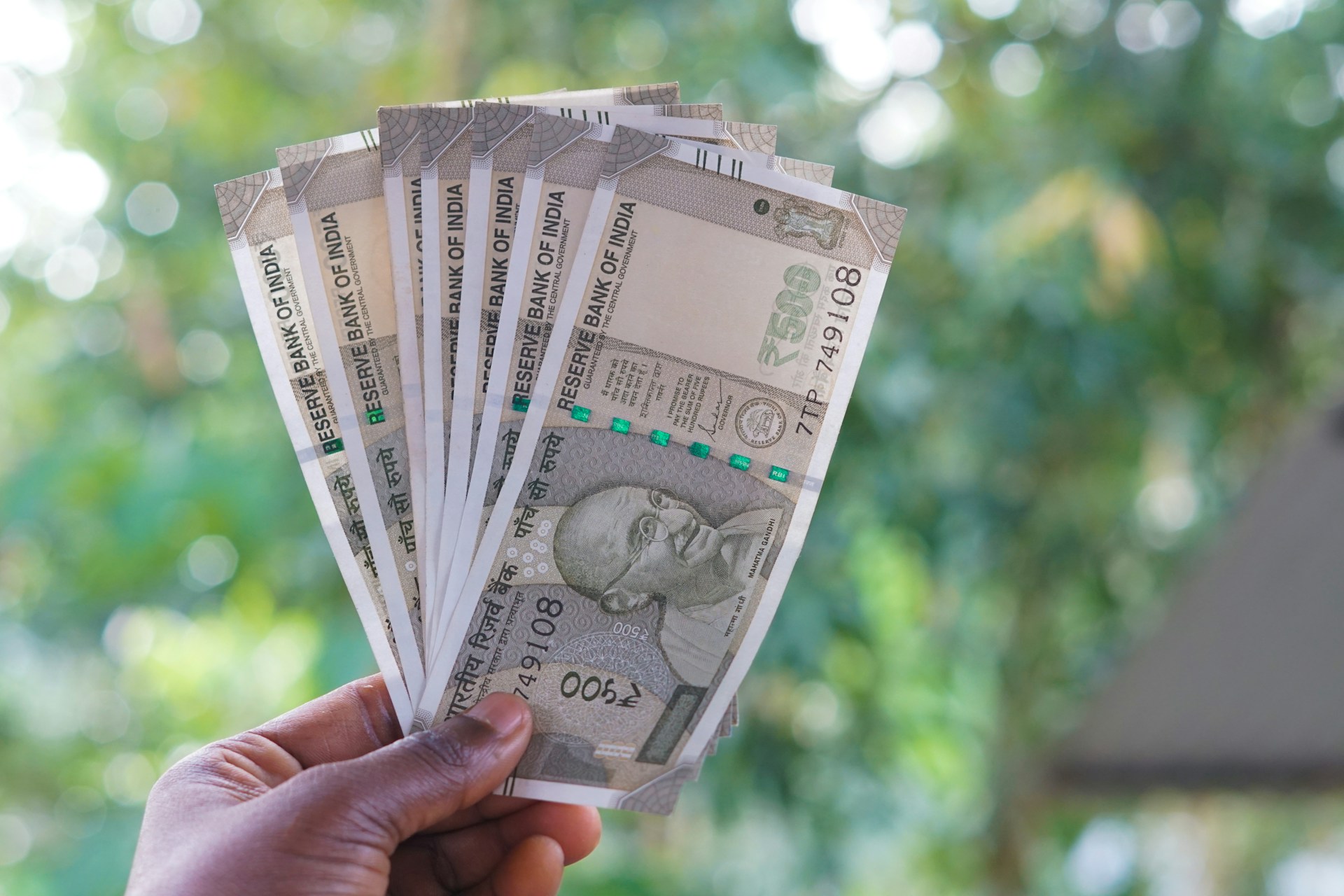
MUMBAI, 5 June (Parliament Politics Magazine) – The Reserve Bank of India has launched a coordinated suite of measures to maximize dollar inflows and defend the rupee. By easing investment rules and incentivizing foreign capital, India aims to stabilize its economy amid record equity flight and surging global oil costs.
Expanding Sovereign Bond Accessibility
A central pillar of this initiative involves the debt market. The central bank has announced that all new issuances of 15-year, 30-year, and 40-year government bonds will now fall under the Fully Accessible Route. By including these securities in this category, they qualify for inclusion in major global bond indexes. This shift is anticipated to capture significant institutional capital, providing a much-needed boost to foreign investment within India. Furthermore, existing constraints regarding short-term holdings and concentration limits for foreign portfolio investors are being removed, offering greater flexibility for long-term capital engagement.
Incentives for Banking and Non-Residents
The regulatory body is also broadening the scope for individual foreign investors. Limits for investments by Non-Resident Indians and Overseas Citizens of India in domestic equity instruments are being increased significantly. To ensure a standardized approach, these benefits are now extended to all individual persons residing outside of India, placing them on an equal footing with other non-resident categories. These measures are specifically crafted to tap into personal savings held by the global diaspora, which has become a vital component for the financial health of India.
To support banking liquidity, the central bank is introducing a concessional foreign exchange swap facility. This arrangement will remain available until September 30, providing a buffer for external commercial borrowings by state-run companies. A parallel facility will also be offered to authorized dealer banks to cover full hedging costs for raising three to five-year foreign currency non-resident deposits. Such targeted support ensures that commercial lenders can maintain sufficient foreign currency buffers while contributing to the overall stability of India.

Supporting Trade and Export Stability
Trade dynamics remain a primary focus for the central bank during this period of global economic adjustment. As part of its latest effort to support exporters, the Reserve Bank of India has restored the time limit for the realization of export proceeds to nine months. This adjustment provides domestic businesses with additional breathing room to manage their foreign currency earnings, thereby reducing immediate pressure on the domestic spot market and supporting the broader objectives for India.
Commenting on the comprehensive package of initiatives, RBI Governor Sanjay Malhotra stated,
“While these measures are expected to strengthen our balance of payments, we will continue to make the right policy adjustments to further promote exports and attract and incentivise capital inflows.”
By integrating these disparate policies, the government and the central bank are creating a unified framework to navigate ongoing economic challenges. As global uncertainty persists, these interventions serve to fortify the economic foundation of India against external shocks. These strategic shifts represent a proactive approach to managing the current account deficit and ensuring that market participants maintain confidence in the growth trajectory of India. Through these concerted efforts, the authorities remain committed to fostering an environment where foreign capital can support the long-term prosperity of India.