

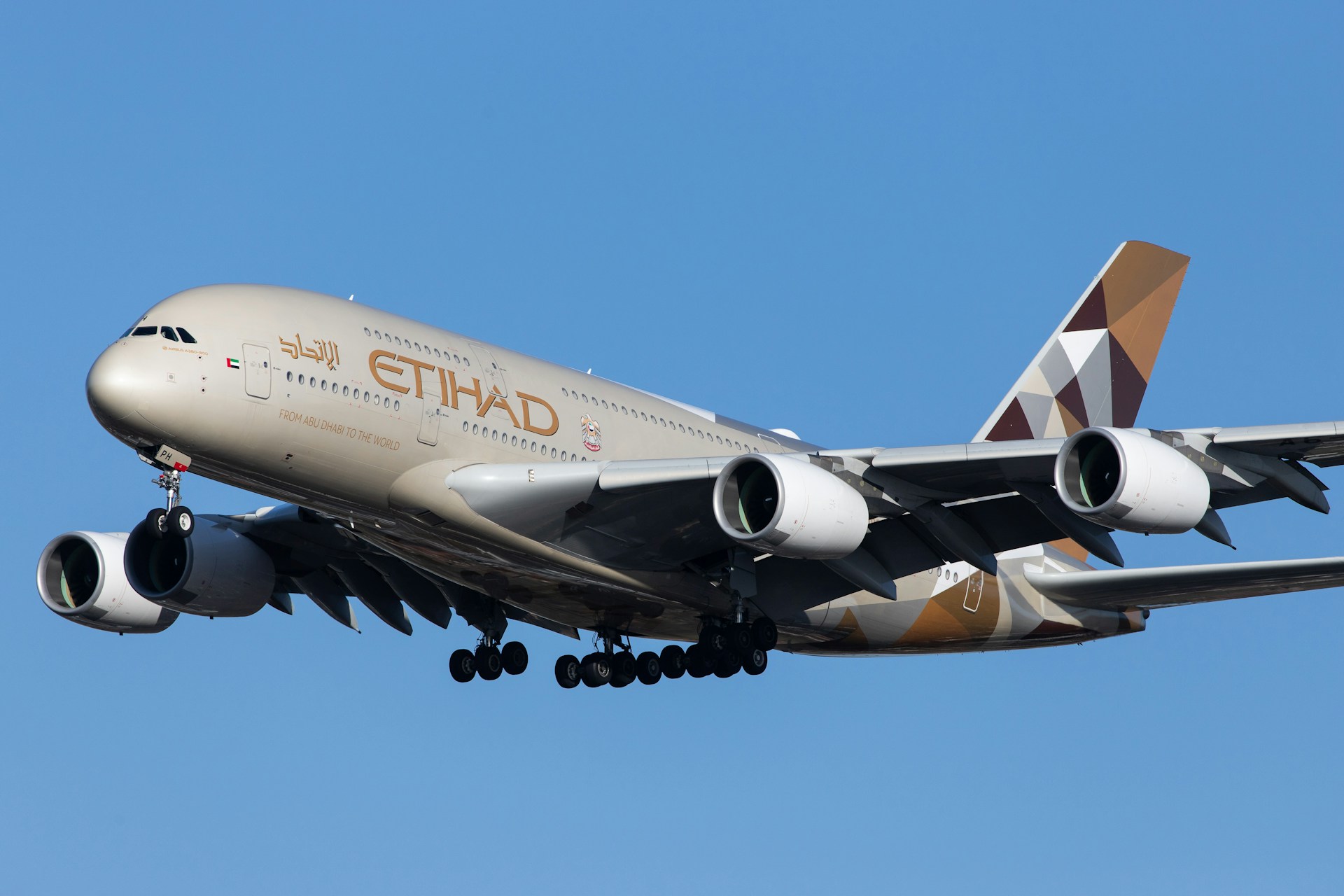
ABU DHABI, United Arab Emirates, June 7 (Parliament Politics Magazine) – Aviation industry recovery remains a major theme across global air travel markets as Etihad Airways moves forward with new widebody aircraft orders and targets a return to pre-war operating capacity. The latest developments are being viewed as a positive signal for airlines, airports, manufacturers, and travelers as international aviation continues rebuilding amid rising demand.
“Strong passenger demand is helping drive the next phase of aviation growth.”
Etihad Expansion Reflects Market Confidence
The latest aircraft order highlights how aviation industry recovery is influencing strategic decisions across the airline sector. Widebody aircraft remain essential for long-haul international routes, allowing airlines to increase passenger capacity while supporting cargo operations.
Industry analysts say the move demonstrates confidence in future travel demand and long-term network expansion opportunities.
International Travel Demand Continues to Rise
Growing passenger traffic has become one of the strongest indicators of aviation industry recovery. Airlines across multiple regions have reported increased bookings for both leisure and business travel, encouraging carriers to restore routes and expand flight schedules.
The rebound in demand is helping airlines improve revenue performance while strengthening global connectivity.
“The return of long-haul travel continues to support broader airline expansion plans.”
Fleet Investments Support Long-Term Growth
Modern aircraft acquisitions are playing a central role in aviation industry recovery efforts. New-generation jets offer greater fuel efficiency, improved passenger comfort, and lower operating costs compared to older aircraft.
Industry experts believe fleet modernization will remain a priority as airlines compete to attract travelers while meeting environmental and operational objectives.
History of Aviation Recovery Following Industry Disruptions
Historical Recovery Cycles Have Strengthened Aviation
The current aviation industry recovery follows a pattern seen throughout aviation history. Airlines have repeatedly adapted to economic downturns, geopolitical events, and market disruptions by investing in newer aircraft and improving operational efficiency.
Historically, periods of recovery have often led to innovation, stronger networks, and increased competition among carriers seeking future growth opportunities.
Abu Dhabi Strengthens Its Aviation Position
The latest developments reinforce Abu Dhabi’s importance in the global aviation sector. As aviation industry recovery continues, major airline hubs are benefiting from increased passenger volumes, stronger tourism activity, and expanded international connections.
The growth of airline operations often creates economic benefits for hotels, restaurants, logistics providers, and tourism-related businesses.
“Aviation remains a critical driver of economic development and international commerce.”
Aircraft Manufacturers Benefit From Renewed Demand
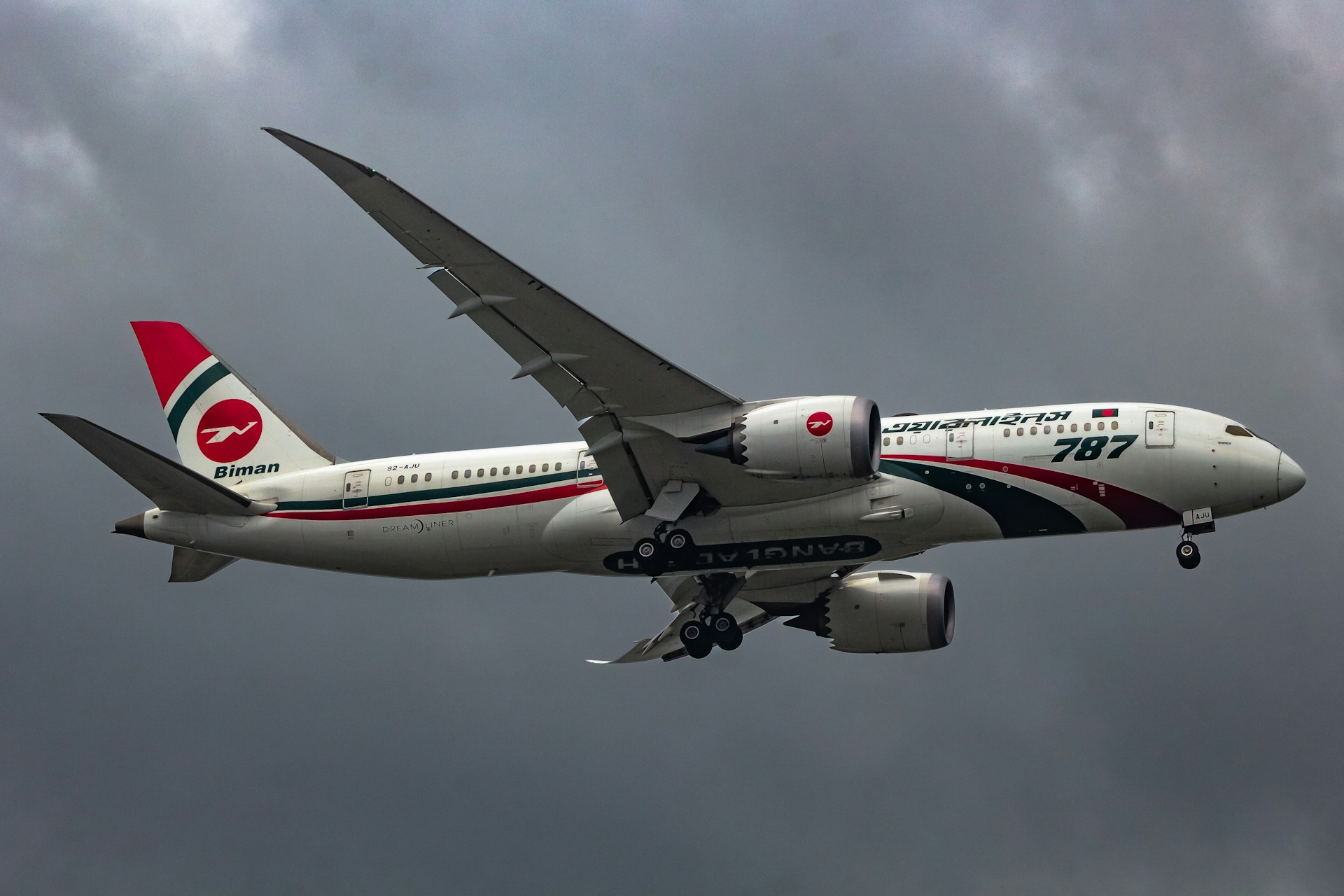
The ongoing aviation industry recovery is also supporting aircraft manufacturers, which continue receiving orders from airlines seeking to modernize fleets and expand operations.
Industry observers note that strong demand for commercial aircraft often serves as an indicator of confidence in future passenger traffic and economic growth.
Outlook Remains Positive for Global Airlines
Many analysts expect aviation industry recovery to continue throughout 2026 as airlines respond to increasing travel demand and evolving market conditions. Investments in technology, fleet modernization, and customer experience remain key priorities.
The expansion efforts announced by Etihad Airways represent one example of how carriers are positioning themselves for future growth.
What Comes Next?
As aviation industry recovery progresses, industry stakeholders will continue monitoring passenger demand, aircraft deliveries, route development, and operational performance. Airlines are expected to remain focused on balancing growth opportunities with efficiency improvements.
Future fleet announcements and network expansions may provide additional insight into the pace of recovery across global aviation markets.