


YEREVAN, Armenia, June 7 (Parliament Politics Magazine) – Eurasia political developments remain at the center of international attention as Armenia holds a closely watched vote while regional peace efforts, security concerns, and diplomatic relationships continue shaping public debate. The election is being monitored throughout the region as policymakers and observers assess its potential impact on future cooperation, stability, and geopolitical alignment.
“Political decisions in the South Caucasus often carry implications far beyond national borders.”
Armenia’s Vote Highlights Regional Priorities
The latest election underscores how Eurasia political developments continue influencing policy discussions across the region. Voters are evaluating issues related to security, diplomacy, economic growth, and international partnerships at a time when geopolitical dynamics remain fluid.
Analysts suggest that election outcomes can provide important signals regarding public sentiment toward future foreign policy priorities and regional engagement strategies.
Peace Initiatives Remain a Central Focus
Current Eurasia political developments are closely tied to ongoing diplomatic efforts aimed at strengthening regional stability. Peace initiatives have become a significant topic among voters, political leaders, and international observers seeking long-term solutions to regional challenges.
Supporters of continued dialogue argue that diplomatic engagement may contribute to stronger economic cooperation and improved regional relations.
“Sustainable peace often creates opportunities for economic growth and regional cooperation.”
Russia’s Role Continues to Influence Debate
The discussion surrounding Eurasia political developments also includes questions about Armenia’s relationship with Russia. Historical ties, security considerations, and economic connections remain important factors in political conversations.
Some policymakers advocate maintaining strong traditional partnerships, while others support expanding engagement with a broader range of international partners.
These differing viewpoints continue shaping public debate during the election period.
History of Eurasian Political Influence
Historical Importance of Eurasia in Global Affairs
The significance of Eurasia political developments can be traced through centuries of regional history. Eurasia has long served as a strategic crossroads connecting Europe, Asia, and the Middle East through trade, diplomacy, and cultural exchange.
Political developments within the region have frequently influenced international relationships, economic activity, and security strategies. This historical context continues shaping modern policymaking decisions.
Economic Considerations Shape Voter Perspectives
In addition to diplomacy and security, Eurasia political developments are increasingly linked to economic priorities. Businesses, investors, and policymakers recognize that political stability often influences investment, infrastructure projects, and regional trade opportunities.
Economic growth remains a key concern for voters seeking improved employment opportunities and long-term prosperity.
“Economic confidence is often closely tied to political stability and predictable governance.”
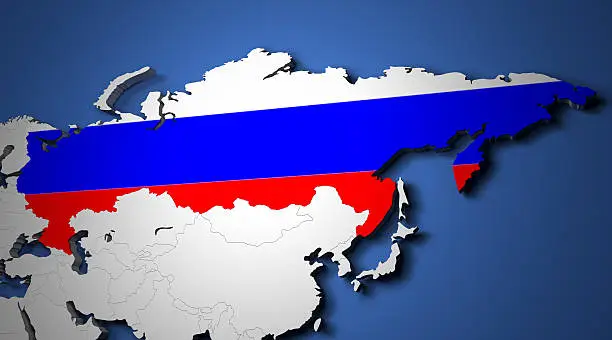
International Observers Monitor Election Outcomes
Governments and organizations across the region are paying close attention to Eurasia political developments surrounding the Armenian vote. Election outcomes may provide insight into future diplomatic priorities and regional policy directions.
Observers believe the results could influence discussions involving cooperation, security partnerships, and economic initiatives throughout the broader Eurasian region.
Security Issues Remain a Key Priority
National and regional security concerns continue to shape Eurasia political developments. Policymakers are evaluating how future leadership decisions may affect defense planning, diplomatic engagement, and strategic partnerships.
Security remains a major factor for voters considering the country’s future direction within a changing geopolitical environment.
What Comes Next for the Region?
As vote results emerge, Eurasia political developments are expected to remain an important focus for governments, businesses, and international stakeholders. Future policy decisions may influence peace initiatives, diplomatic relationships, and economic cooperation efforts.
Many analysts expect continued discussions regarding regional stability and long-term strategic planning.