

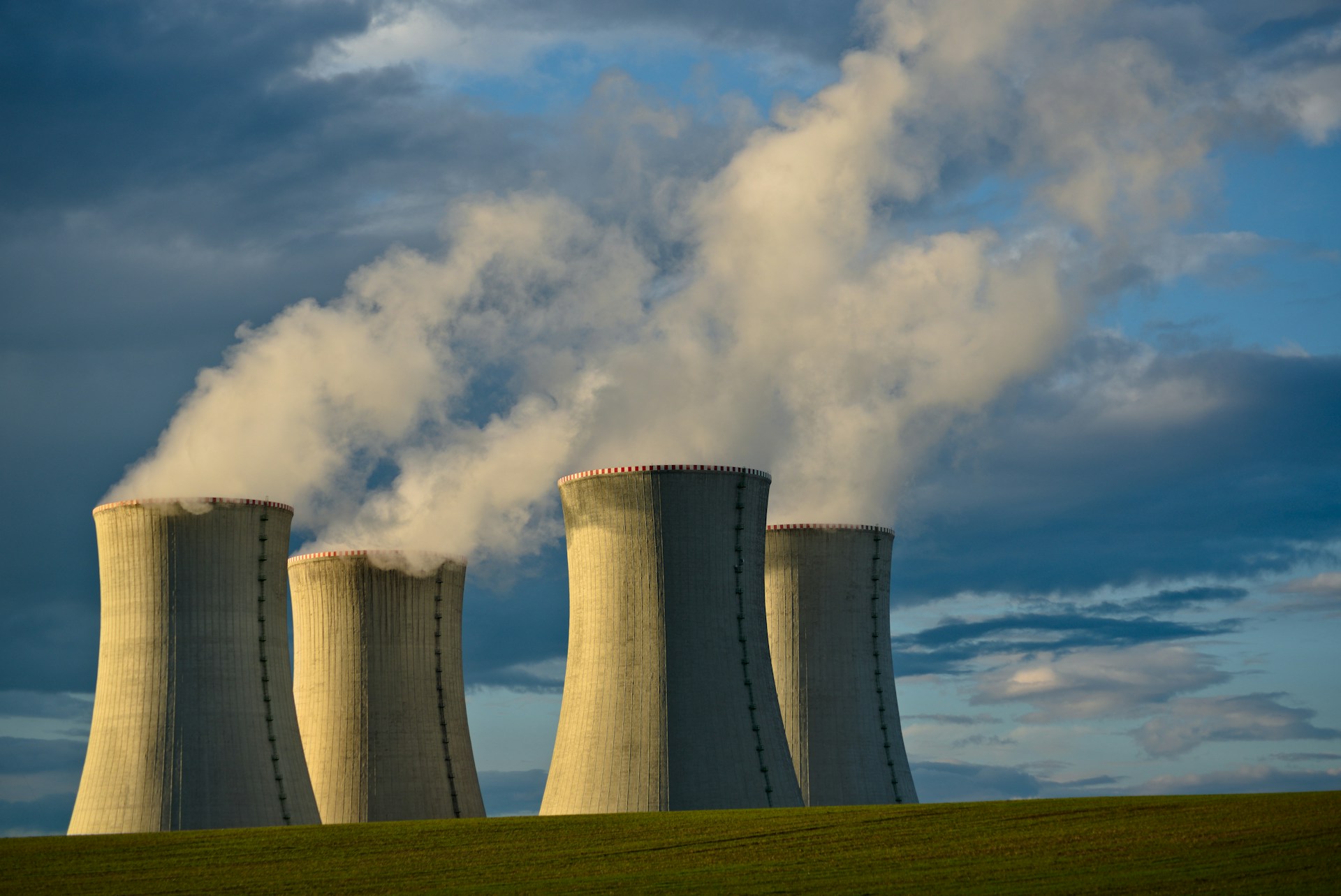
KYIV, Ukraine, June 7 (Parliament Politics Magazine) – Nuclear safety monitoring has become a major focus following reports from Ukrainian authorities that a drone struck an area associated with a nuclear-fuel storage facility near Chornobyl. The incident has prompted inspections, technical reviews, and increased international attention as officials assess infrastructure conditions and verify operational safety measures.
“Maintaining confidence in nuclear facility security requires constant vigilance and transparency.”
Authorities Expand Safety Assessments
The latest developments have placed nuclear safety monitoring at the center of discussions involving energy security and infrastructure protection. Technical specialists and emergency response teams have been tasked with evaluating facilities, reviewing operational systems, and ensuring that established safety procedures remain effective.
Officials continue collecting information while monitoring equipment and systems associated with the site.
International Attention Focuses on Infrastructure Security
The reported incident has highlighted the importance of nuclear safety monitoring at facilities connected to sensitive nuclear materials. Governments, international organizations, and energy experts are closely following developments because infrastructure security remains a critical concern during periods of geopolitical tension.
Analysts emphasize that maintaining operational oversight is essential for preserving public confidence and protecting critical assets.
“Critical infrastructure protection remains one of the most important responsibilities for national authorities.”
Chornobyl’s Significance Extends Beyond Ukraine
The global attention surrounding the incident reflects the continuing importance of nuclear safety monitoring near Chornobyl. The location remains one of the most recognized sites in nuclear history, making any reported security event a matter of international interest.
Experts note that modern storage facilities operate under extensive safety standards designed to reduce risks and support long-term containment objectives.
History of Nuclear Safety Improvements
Chornobyl’s Legacy Continues to Influence Policy
The evolution of nuclear safety monitoring can be traced through decades of improvements implemented following the 1986 Chornobyl disaster. Since then, governments and international agencies have strengthened oversight frameworks, emergency response planning, and inspection procedures.
These measures have contributed to higher operational standards and greater international cooperation regarding nuclear facility management.
Monitoring Systems Play a Critical Role
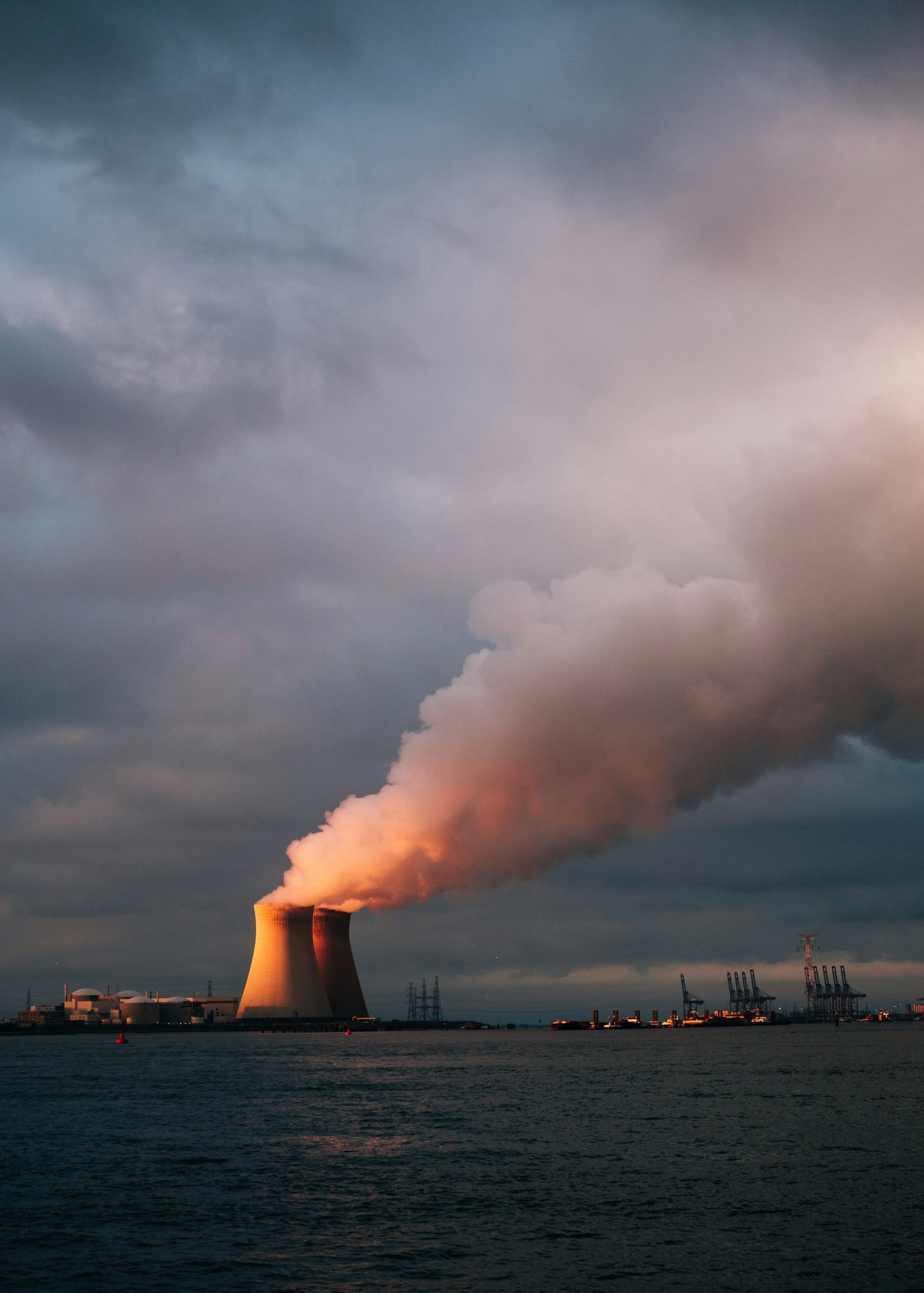
Modern nuclear safety monitoring relies on advanced technologies capable of tracking operational conditions, environmental indicators, and facility performance. These systems help authorities identify issues quickly and respond to changing conditions when necessary.
Energy specialists say continuous monitoring remains one of the most effective tools for supporting safe facility operations and maintaining regulatory compliance.
“Technology has significantly improved the ability to detect and address potential safety concerns.”
Infrastructure Protection Remains a Priority
The recent incident has renewed discussions regarding nuclear safety monitoring and broader infrastructure protection strategies. Energy facilities, transportation systems, communication networks, and industrial sites all require ongoing security measures to maintain operational stability.
Many countries continue investing in resilience programs designed to strengthen protection against evolving threats.
Global Energy Sector Watches Closely
The importance of nuclear safety monitoring extends beyond national borders because nuclear facilities play a role in broader energy security discussions. Industry observers are monitoring developments to better understand potential implications for operational practices and future security planning.
Energy analysts note that maintaining confidence in facility safety is essential for long-term stability within the sector.
What Happens Next?
Authorities are expected to continue nuclear safety monitoring efforts while technical teams complete inspections and assessments. Additional updates may provide greater clarity regarding facility conditions and any measures implemented to strengthen operational security.
International organizations and energy experts will likely remain engaged as monitoring activities continue.