

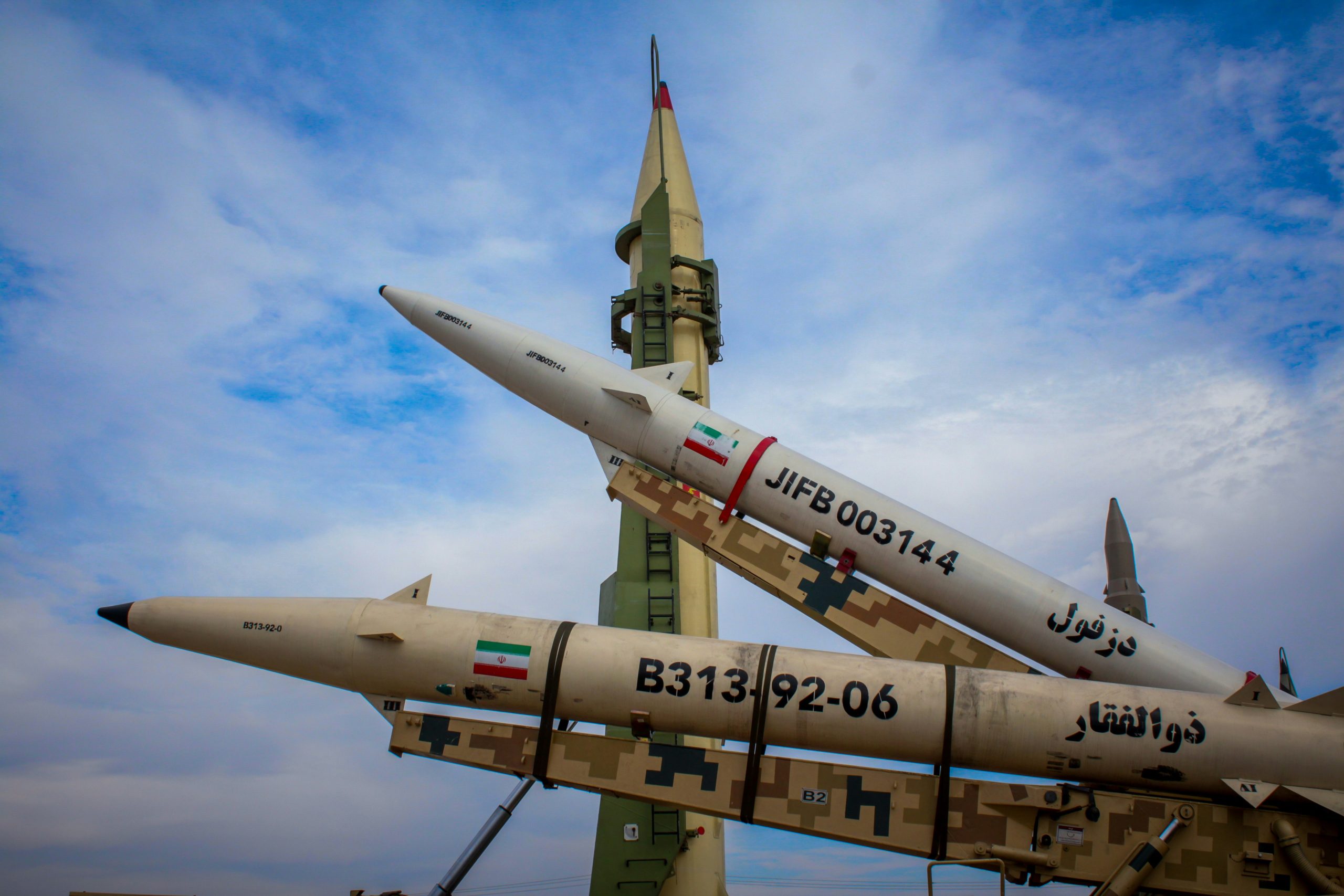
JERUSALEM and TEHRAN, June 8 (Parliament Politics Magazine) – The Iran proxy war update marks a volatile shift on June, as direct hostilities between Israel and Iran break a two-month ceasefire. While officials in both nations have publicly declared a halt to immediate strikes, the regional architecture of the Iran proxy war update remains fragile and prone to sudden flare-ups. This period of uncertainty follows a coordinated missile exchange, drawing renewed attention to the interconnected web of militants operating under Tehran’s influence across the Middle East.
Historical Evolution of the Axis
The roots of this conflict extend back to the early 2000s, when the Iranian Revolutionary Guard Corps began institutionalizing its “axis of resistance.” By embedding itself within local political and military frameworks in Lebanon, Iraq, and Yemen, Tehran successfully created a layered defense system that keeps direct combat away from its own borders. Understanding this historical development is essential to any Iran proxy war update, as it explains how the regime maintains operational reach through non-state actors while theoretically distancing itself from the consequences of their actions.
Militant Networks and Regional Impact
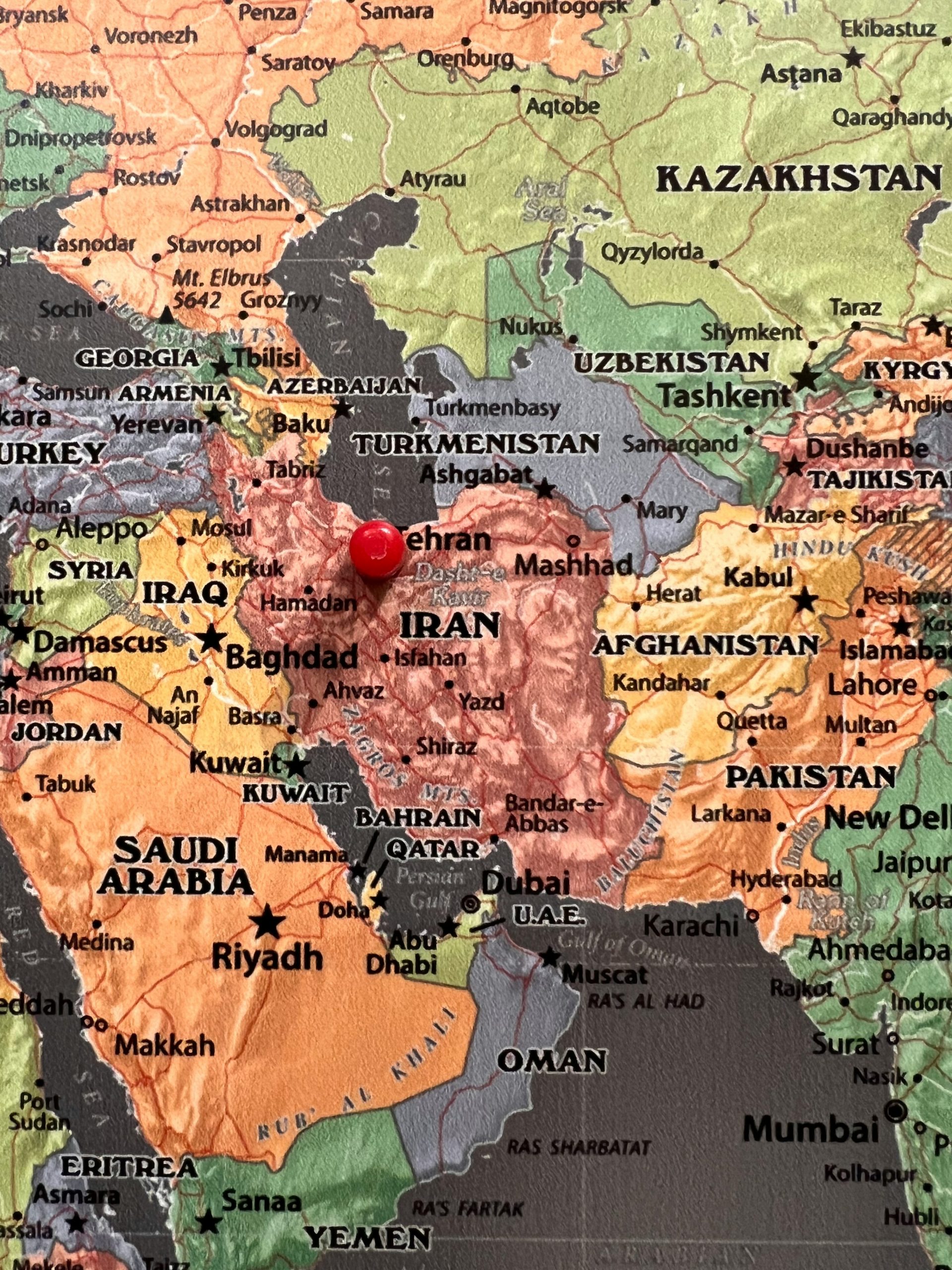
The Iran proxy war update is inextricably linked to the actions of groups like Hezbollah and the Houthis. On Monday, Houthi forces in Yemen intensified the pressure by announcing a total ban on Israeli-linked maritime traffic in the Red Sea, a move that threatens to disrupt global shipping lanes. In Iraq, pro-Iranian militias continue to leverage their positions to challenge local stability.
“The militias act as a strategic extension of Tehran’s foreign policy, providing the regime with the necessary distance to pursue its goals while ensuring they remain deeply involved in regional security crises,” a senior intelligence advisor noted.
These actions confirm that the Iran proxy war update is a multifaceted struggle, with Tehran’s proxies acting as the primary agents of escalation in the ongoing theater of operations.
Diplomatic Strains and Global Mediation
International mediators are currently scrambling to contain the fallout from the latest exchange of fire. President Donald Trump has been active in urging both sides to step back from the brink of a larger regional war, though his messaging has faced significant challenges.
“They must immediately stop shooting at each other,” President Trump said, addressing reporters earlier today. “We cannot allow this to spiral into a broader, uncontrollable disaster.”
Similarly, regional leaders have voiced concerns that the Iran proxy war update risks derailing the tentative peace progress achieved in April. A separate official statement from the Gulf Cooperation Council emphasized the “urgent need for a de-escalation of all proxy-led military activities,” highlighting the fear that the Iran proxy war update could quickly transition into a wider, more dangerous confrontation.
Assessing the Current Security Outlook
As military observers synthesize the latest Iran proxy war update, a pattern of calculated risk emerges. Both state actors and their proxies are testing the limits of the current ceasefire. While direct state-to-state missile strikes are momentarily paused, the Iran proxy war update indicates that the underlying tactical goals of these militant groups remain unchanged.
“The persistence of these military operations suggests that local security calculations continue to drive events on the ground,” according to a recent analysis.
For now, the international community remains in a wait-and-see posture. The success of future de-escalation depends on whether Tehran is willing to curb its proxies’ activities, or if the Iran proxy war update will serve as a harbinger of renewed, widespread instability. As this Iran proxy war update develops, analysts continue to monitor the border regions, where the Iran proxy war update could reignite at a moment’s notice.
Situation Report
-
Conflict Status: A two-month ceasefire between Israel and Iran was breached by direct strikes on June 8, 2026.
-
Proxy Involvement: Houthi and militia groups remain active, with new bans on shipping and ongoing drone provocations.
-
Diplomatic Efforts: U.S. and regional leaders are pushing for immediate restraint to avoid a full-scale war.
-
Future Outlook: While state-level strikes have paused, the regional proxy network remains highly active and volatile.