

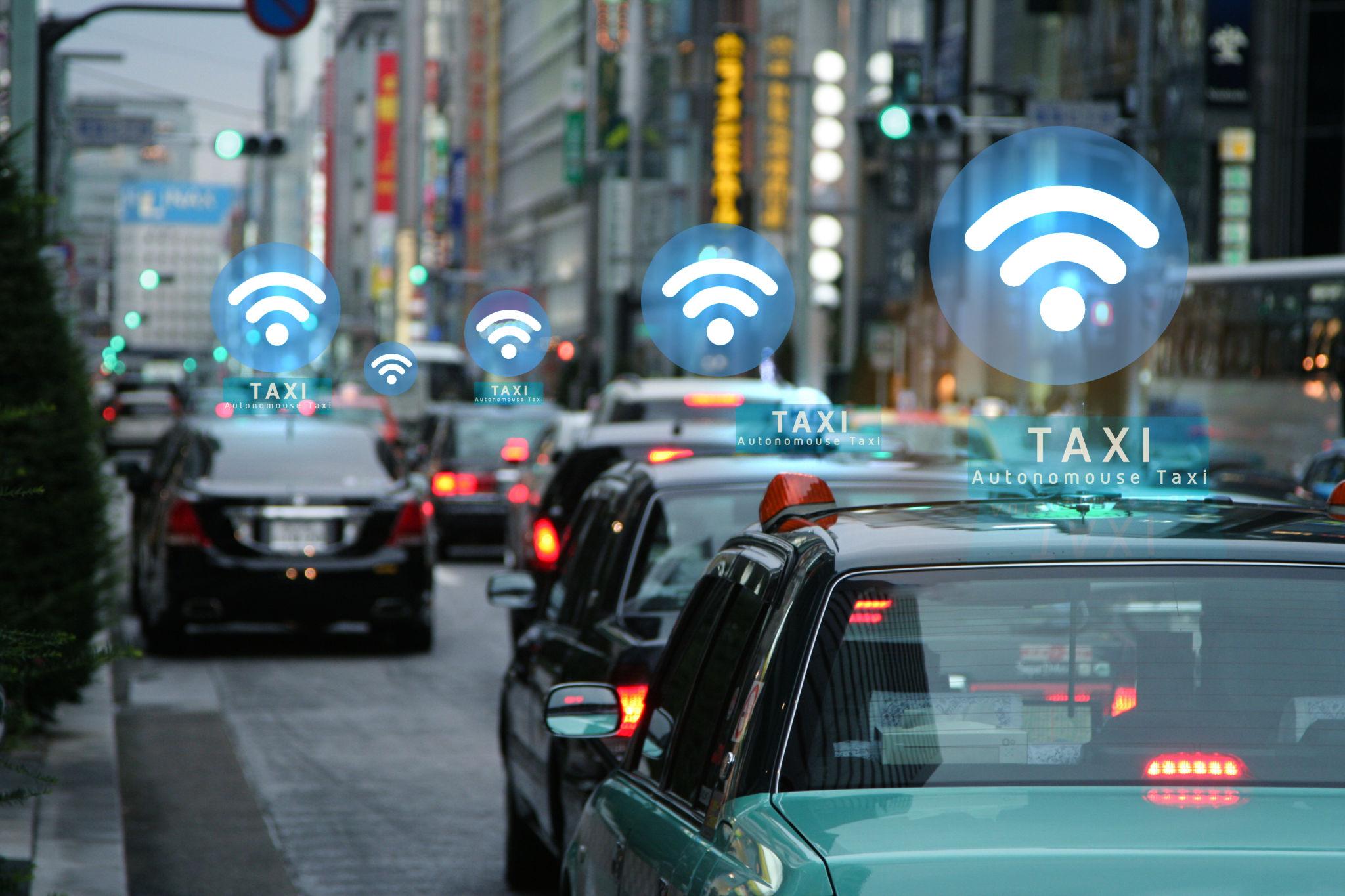
London, United Kingdom, June 8 (Parliament Politics Magazine) – Robotaxi launch UK plans are moving closer to reality after Uber announced that London’s first commercial driverless taxi service could begin operating within months. The planned rollout, developed in partnership with British autonomous driving technology company Wayve, would mark a significant milestone for the United Kingdom’s transportation industry and place London among a growing number of cities embracing autonomous mobility.
The announcement comes as governments and technology companies worldwide accelerate efforts to bring self-driving vehicles into mainstream transportation networks. If approved, London residents and visitors could soon hail autonomous vehicles through the Uber app without a human driver behind the wheel.
Uber Confirms London Robotaxi Service Could Begin Within Months
Uber said preparations are advancing for the introduction of autonomous ride-hailing services in London, subject to regulatory approvals and final testing requirements.
The company has already opened registration for people interested in participating in future autonomous vehicle programs, signaling confidence that deployment plans are progressing.
Kaity Fischer, Vice President of Commercial and Operations at Wayve, emphasized the significance of the upcoming launch.
“This is the first time the general public will be able to hail an autonomous vehicle in the UK.”
The statement highlights the historic nature of the project, which would move autonomous transportation beyond testing phases and into everyday public use.
How the Uber and Wayve Partnership Is Advancing Driverless Technology
Wayve, a London-based autonomous vehicle company, has spent years developing artificial intelligence systems capable of navigating complex urban environments.
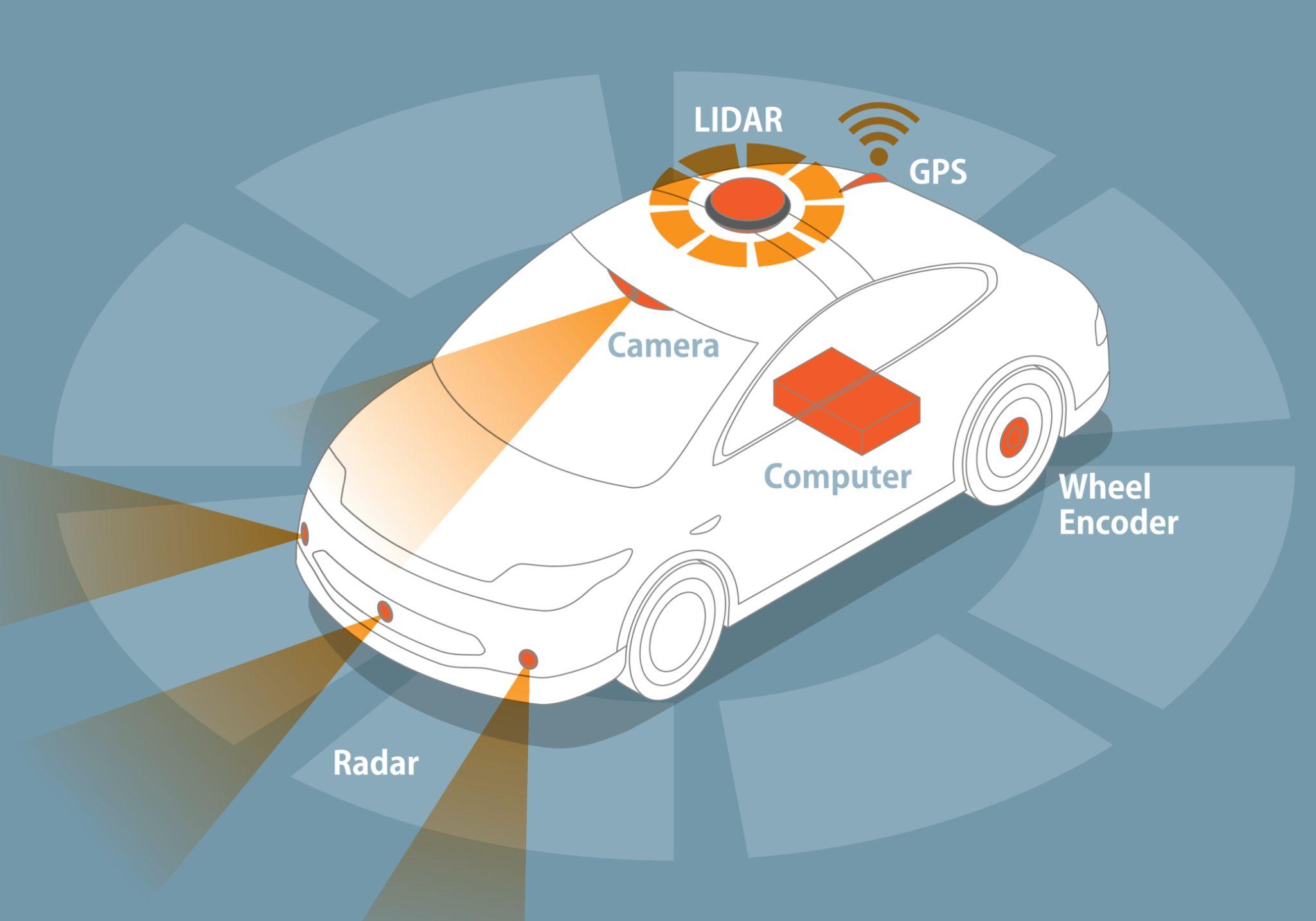
The company’s technology uses cameras, sensors, and machine-learning software to interpret road conditions and make real-time driving decisions. Uber plans to integrate the technology into its existing ride-hailing platform, allowing passengers to request driverless rides through a familiar app experience.
Industry observers view the partnership as an important step toward expanding autonomous transportation across the UK and Europe.
Why London Is a Key Test for Autonomous Vehicles
London presents unique challenges for self-driving technology due to its dense traffic, cyclists, pedestrians, buses, and complex road layouts.
Because of these conditions, experts often describe the city as one of the most demanding environments for autonomous vehicles.
Alex Kendall, co-founder and chief executive of Wayve, previously noted:
“London’s complex roads make it one of the most challenging environments for autonomous driving, and therefore one of the best places to prove the technology.”
A successful rollout could help demonstrate that autonomous systems are capable of operating safely in some of the world’s busiest urban settings.
UK Government Supports Autonomous Transport Innovation
The British government has expressed support for autonomous vehicle development as part of broader efforts to encourage innovation and economic growth.
Transport Secretary Heidi Alexander recently praised the partnership between Uber and Wayve.
“Wayve is a British success story and this partnership with Uber is a welcome vote of confidence in their technology.”
Government officials believe autonomous transportation could improve mobility options while helping position the UK as a leader in emerging vehicle technologies.
Safety and Consumer Confidence Will Be Key to Success
Despite growing excitement surrounding the Robotaxi launch UK, safety remains the primary concern for regulators and the public.
Before commercial services begin, autonomous vehicles must meet strict testing and safety standards. Authorities will continue reviewing issues such as liability, cybersecurity, insurance requirements, and operational performance.
Public confidence will also play a major role in determining how quickly driverless transportation gains widespread acceptance.
What Happens Next
Before London’s first robotaxi rides can begin, Uber and Wayve must complete the remaining regulatory and safety requirements established by UK authorities. Officials are expected to closely review testing data and operational procedures to ensure the technology meets strict safety standards before public deployment.
Industry observers anticipate that the initial rollout will be limited in scope, allowing operators to gather real-world performance data and make adjustments where necessary. If the service operates successfully and gains public confidence, additional vehicles and service areas could be introduced over time. The coming months will be crucial in determining how quickly autonomous ride-hailing services move from pilot programs to a regular part of daily transportation in London.
The Road Ahead for Driverless Transportation
London’s planned robotaxi rollout represents a significant step forward for autonomous transportation in the United Kingdom. While regulatory approvals, safety assessments, and public acceptance remain critical factors, Uber’s announcement signals that driverless taxi services are moving closer to becoming a reality.
If the launch proceeds as expected, London could become the first UK city where everyday passengers can hail a fully autonomous vehicle through a ride-hailing app. The success of the project will likely influence future autonomous vehicle deployments across Britain and could help shape the next generation of urban transportation.
The Road Ahead for Autonomous Transportation
London’s expected robotaxi launch is more than just a technology milestone. It represents a real-world test of how autonomous vehicles could fit into everyday life. As Uber and Wayve prepare for the introduction of driverless taxi services, transportation officials, industry experts, and passengers will be closely monitoring the rollout and its performance on London’s busy streets.
If the launch proves successful, it could accelerate the adoption of autonomous transportation across the United Kingdom and influence similar initiatives throughout Europe. The coming months are expected to provide valuable insight into whether driverless ride-hailing services can safely and effectively become part of the modern urban transportation network.
