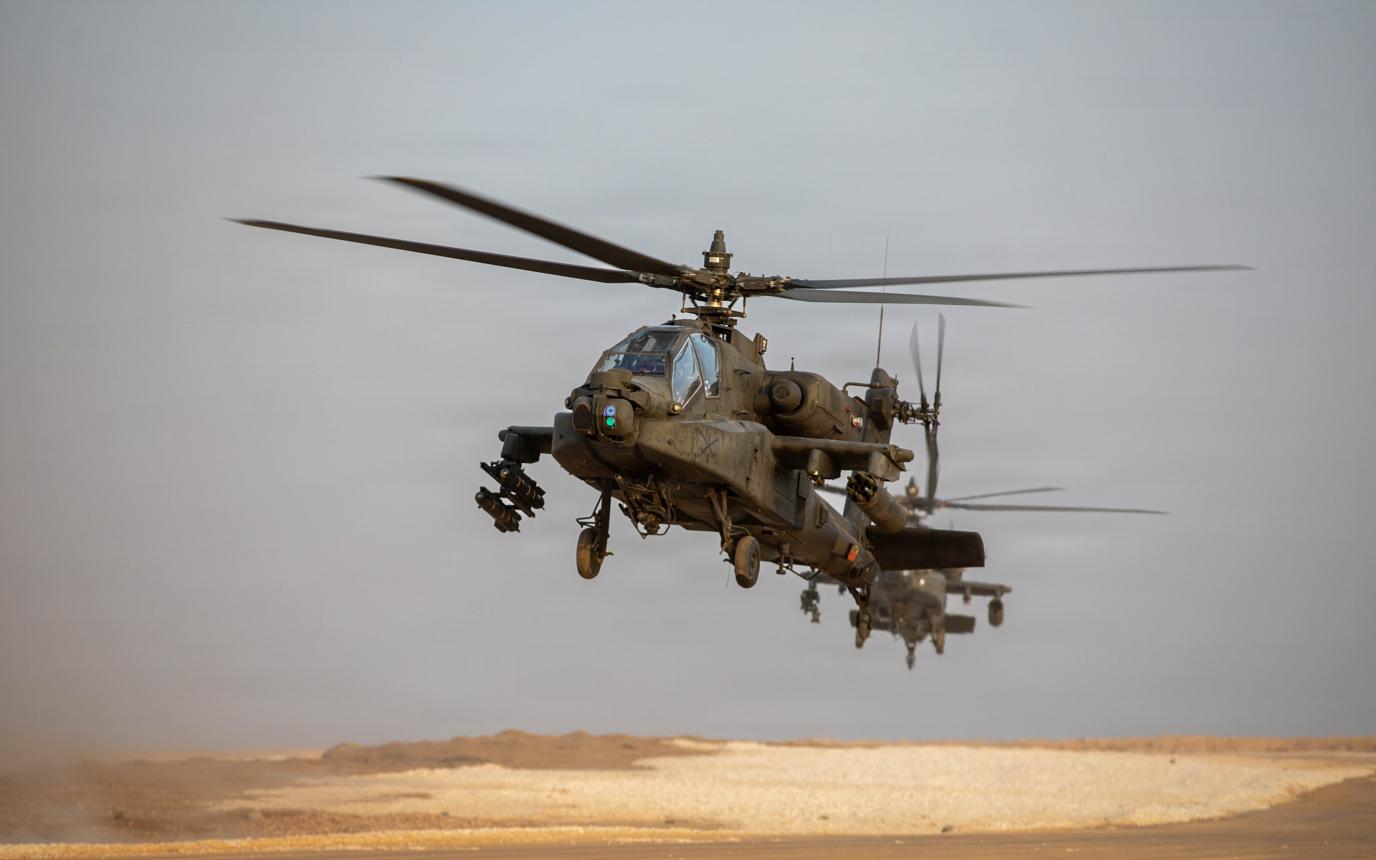
Washington, D.C., 10 June (Parliament Politics Magazine) – US strikes Iran after a U.S. military helicopter was brought down during operations near the Strait of Hormuz, prompting a swift response from American forces. U.S. officials said the strikes targeted military infrastructure linked to the incident, marking a significant escalation in already strained relations between Washington and Tehran.
The development immediately drew international attention as governments, energy markets, and security analysts assessed the potential consequences for regional stability and global trade routes.
U.S. Launches Response Following Helicopter Incident
American defense officials said the helicopter was operating in the strategically important Strait of Hormuz region when it was struck. The incident triggered a military response that included strikes on radar systems, air-defense positions, and command facilities that U.S. officials said posed a threat to American forces.
The Pentagon described the operation as a limited action intended to protect U.S. personnel and deter future attacks rather than initiate a broader conflict.
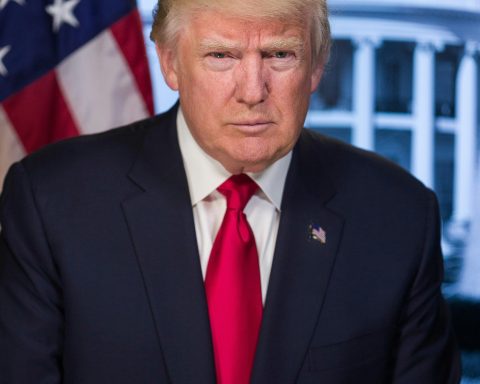
President Donald Trump defended the military response while emphasizing that the United States was not seeking a wider war.
“Our forces will defend themselves whenever they are threatened,” Trump said during remarks following the operation.
Military officials stated that the helicopter crew was successfully rescued and returned safely.
The Strait of Hormuz Remains Critical to Global Trade
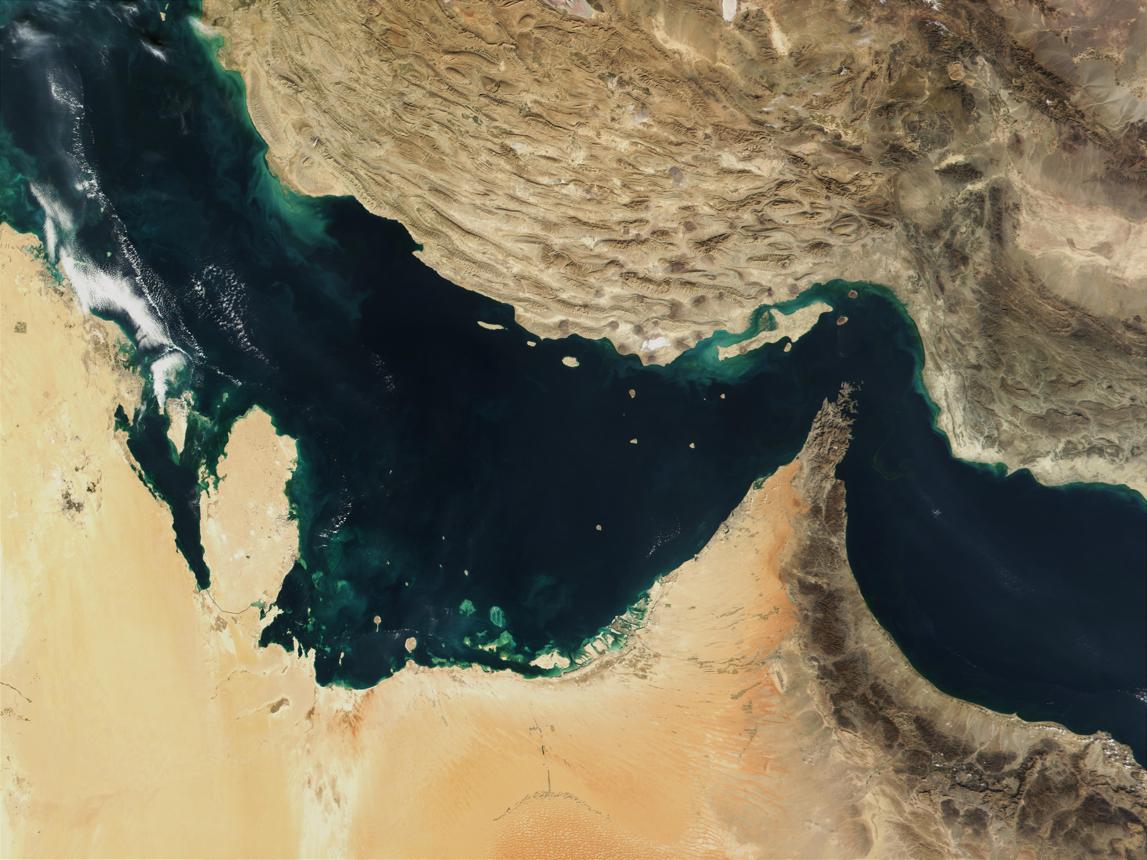
The latest confrontation has once again placed the Strait of Hormuz at the center of international attention. The narrow waterway serves as one of the world’s most important energy corridors, carrying a significant share of global oil exports each day.
Security incidents in the area often create concerns about shipping disruptions, higher transportation costs, and potential impacts on global energy supplies.
Analysts noted that even limited military exchanges in the region can influence investor sentiment and increase volatility across financial markets.
Investigation Into the Helicopter Incident Continues
While U.S. officials have linked the military response directly to the helicopter incident, investigations into the circumstances surrounding the downing remain ongoing.
Iranian officials have disputed some U.S. claims and warned against further military escalation. Tehran has maintained that it does not seek a wider conflict but reserves the right to respond to actions against its interests.
The differing accounts highlight the challenges facing diplomats attempting to prevent additional military exchanges.
“The immediate priority should be avoiding further escalation while establishing the facts surrounding the incident,” said a regional security expert familiar with Middle East defense issues.
Financial Markets React to Regional Tensions
Financial markets and energy traders closely watched developments following reports that U.S. forces had carried out strikes inside Iran.
Because the Strait of Hormuz remains a critical route for international energy shipments, any increase in military activity can affect oil prices and shipping operations.
Shipping companies, insurers, and multinational businesses are also evaluating potential risks as governments across Europe, Asia, and the Gulf region monitor the situation.
Although major trade routes remain open, analysts say uncertainty could persist if tensions continue.
Analysts Monitor Signs of Further Escalation
Defense analysts said the U.S. response appears designed to send a clear military message while avoiding targets that could trigger a larger regional conflict.
However, experts also cautioned that retaliatory actions can create a cycle of escalation.
Several regional military installations have reportedly increased security measures, while allied governments continue consultations regarding possible diplomatic and defense responses.
The coming days are expected to be critical in determining whether the confrontation remains limited or expands into a broader security crisis.
International Calls for Restraint Continue
The latest military exchange comes at a time when diplomatic channels were already under pressure from disputes involving regional security and Iran’s nuclear activities.
International leaders have called for restraint and urged both sides to avoid actions that could further destabilize the region.
Diplomatic observers say maintaining communication between Washington and Tehran may be essential to preventing additional military incidents.
Despite the sharp escalation, analysts note that neither side has publicly ruled out future negotiations.
Where the Situation Stands Now
The decision as US strikes Iran following the downing of a U.S. military helicopter has intensified concerns about security across the Middle East. While American officials describe the operation as a targeted response aimed at protecting U.S. forces, Iran has challenged parts of the U.S. account and warned against further military action.
With global markets watching closely and regional governments urging restraint, attention now turns to whether diplomacy can prevent another round of escalation.
The Bigger Picture
The United States launched military strikes against Iran after a U.S. helicopter was brought down near the Strait of Hormuz. American officials said the operation targeted military infrastructure linked to the incident, while Iran disputed aspects of the U.S. account.
The development has raised concerns about regional stability, energy security, and international trade. Global leaders are urging restraint as analysts assess the possibility of further escalation. The next several days could determine whether tensions ease through diplomacy or lead to additional military confrontations.