WASHINGTON, June 11 (Parliament Politics Magazine) – President Donald Trump stated on Thursday his desire to take over Kharg Island, which serves as the primary oil infrastructure hub for Iran. While military experts suggest the United States could seize the island rapidly, experts warn that an occupation would leave US troops in great peril and likely extend the ongoing conflict.
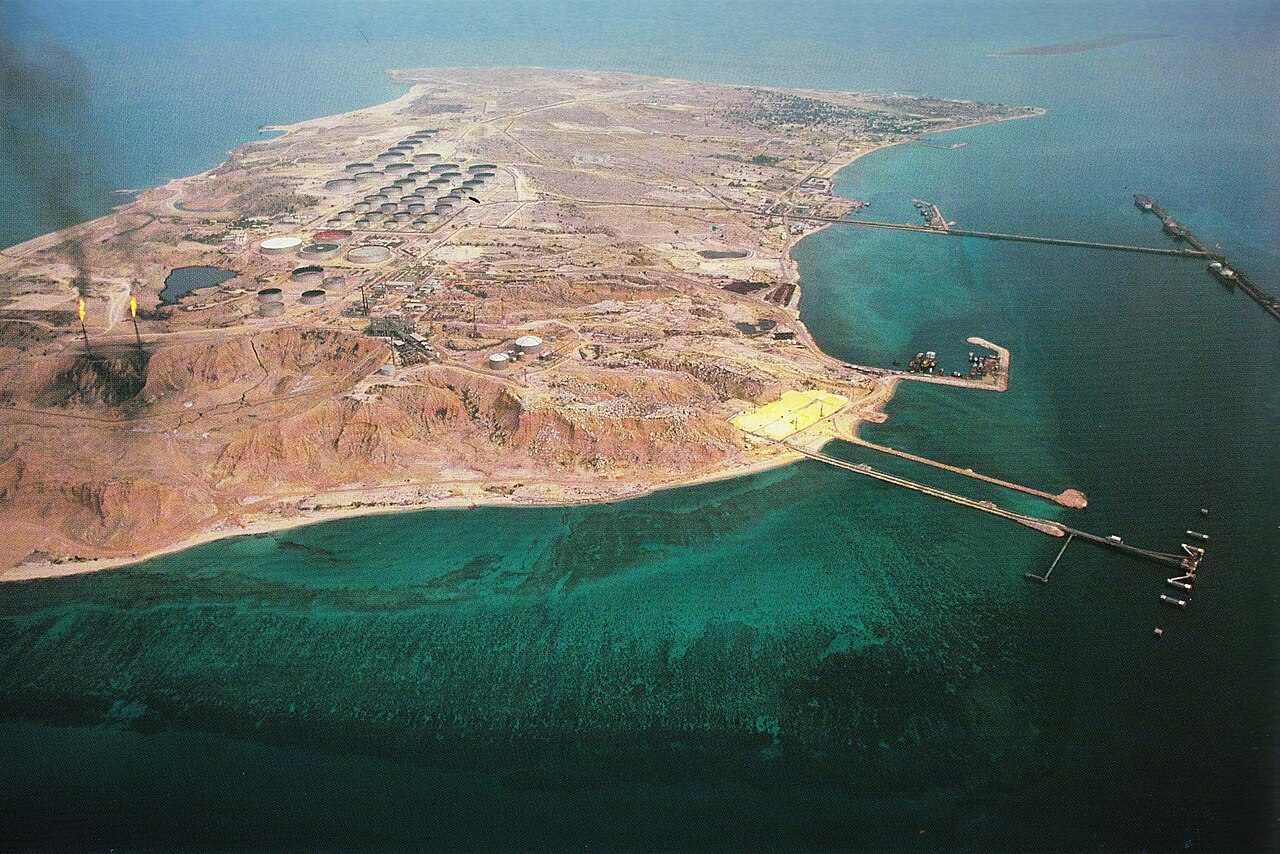
The island is located 16 miles from the Iranian coast in the northern section of the Gulf, roughly 300 miles northwest of the Strait of Hormuz. Its deep waters allow for the docking of massive tankers that cannot approach the shallow coastal waters of the Iranian mainland. Before the conflict began on February 28, the island managed 90% of Iran’s oil exports.
Strategic value of the facility
Seizing this hub would severely disrupt the energy trade of Iran and place intense pressure on the economy of Tehran. Iran currently maintains its position as the third-largest producer in the Organization of the Petroleum Exporting Countries. U.S. forces conducted strikes against the location in March and April, and Trump claimed they obliterated all military targets before suggesting that oil infrastructure could be the next target.
“My preference has always been – take Kharg Island … my preference would be that. I don’t know that America has the stomach for it,” Trump told Fox News on Thursday.
While the administration previously weighed the option of sending ground forces to the island, it has not been attacked recently, though the United States maintains a blockade on Iranian ports and has targeted oil tankers in the vicinity. Analysts caution that seizing Kharg Island might not yield an immediate economic impact, as exports have already been restricted by the war.
Challenges for ground forces
Military experts argue that a quick tactical seizure of the territory would not guarantee a decisive victory. Ryan Brobst and Cameron McMillan of the Foundation for Defense of Democracies noted in March that an occupation is more likely to expand and extend the war. They emphasized that troops would remain exposed to constant missile and drone threats, including first-person view drones that are prevalent in modern warfare.
The analysts further noted that in the event of successful strikes, the Iranian regime would likely release videos online, utilizing the deaths of American service members for propaganda purposes. A former commander of the U.S. Central Command, Joseph Votel, stated in March that while holding the territory might only require 800 to 1,000 service members, they would require significant logistical support. Votel added that such forces would remain highly vulnerable and questioned whether the move would provide any clear tactical advantage.
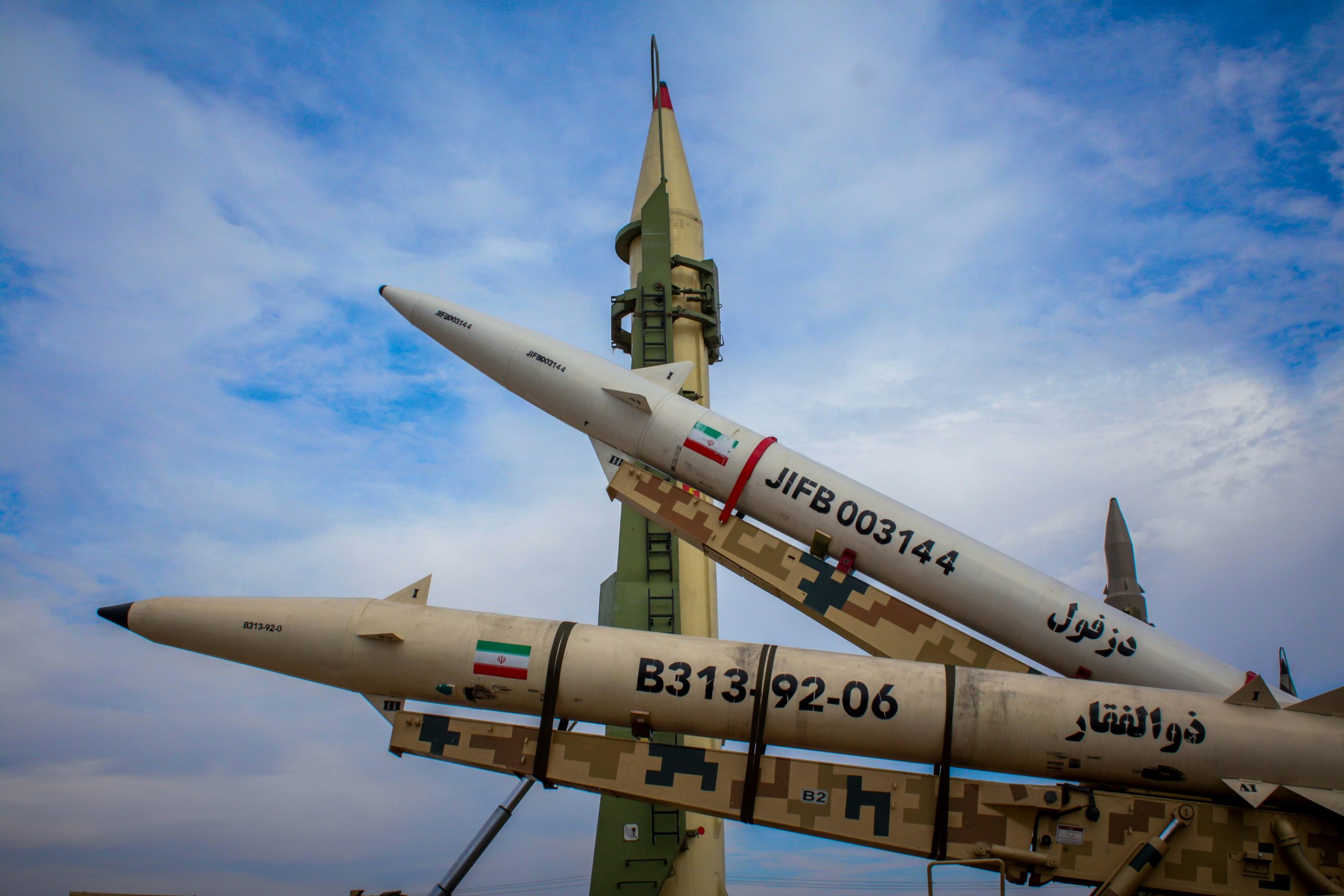
Logistical and regional dangers
Holding the location creates significant tactical, logistical, and strategic risks for ground troops. Because the island sits only 26 kilometers from the mainland, occupying forces would remain within range of remaining Iranian coastal artillery, rockets, and anti-ship cruise missiles. Furthermore, the island has been heavily fortified with air defense systems, underground bunkers, and extensive booby traps.
Sustaining a ground force requires a continuous naval and aerial supply chain, and these logistics vessels would be vulnerable to naval mines, fast-attack boats, and shore-to-sea missiles. Iran has threatened to retaliate against US troops and launch strikes against Gulf nations hosting US bases if a ground invasion proceeds. Regional allies have reportedly urged the US administration against such an occupation due to these security concerns.
An invasion could also prompt Iran to shut down the Strait of Hormuz or order regional proxies to target global shipping lines. Security experts like retired Admiral James Stavridis have suggested that an offshore naval blockade serves as a lower-risk alternative. Such a strategy could isolate the energy hub and block crude exports without the need for American boots on the ground.
Economic and environmental factors
The potential seizure of Kharg Island involves broader geopolitical considerations, particularly regarding China. The island handles the vast majority of Iranian crude exports, most of which are destined for Chinese markets. A U.S. seizure would represent a direct economic confrontation with Beijing and could contribute to rising energy costs. Global crude prices have already seen spikes, threatening broader inflationary pressures.
Environmental concerns also loom over the region. Because the naval blockade has prevented normal exports, reports indicate the regime has run out of storage capacity and begun dumping crude oil directly into the Persian Gulf. Satellite imagery has shown oil slicks along the coastline, extending toward Kuwait.
The island’s history underscores its long-standing strategic value. In 2007, workers discovered a 2,400-year-old Achaemenid cuneiform inscription on the island, describing its use as a freshwater outpost and naval station for the ancient Persian Empire. The inscription was later damaged by vandals, marking the loss of a historic record that proves the island has served as a contested prize for millennia.