TYRE, June 11 (Parliament Politics Magazine) – Residents of the historic Christian quarter in the southern Lebanese port city of Tyre are fleeing their homes following unprecedented military evacuation orders and intensified airstrikes. Many families had only recently returned to their ancestral properties after an April ceasefire, but the collapse of that truce has forced a second, more desperate displacement.
Escalation Triggers Mass Exodus
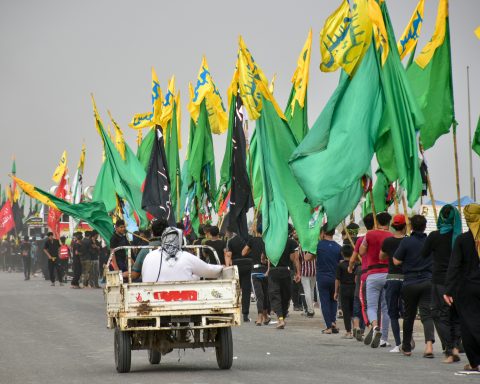
The military situation shifted significantly this week when the Israeli Defense Forces issued directives for civilians to clear the ancient district of Tyre and move north of the Zahrani River. While previous evacuation orders had specifically excluded the historic Christian quarter, the new mandate triggered a massive vehicular exodus that paralyzed the coastal highway leading toward Sidon.
Israel stated that these orders were necessary because Hezbollah operatives were secretly using the neighborhood for militant activities. However, local Lebanese Army patrols and neighborhood representatives reported finding no evidence of an armed presence or military infrastructure within the district. Despite an announcement from Israeli Defense Minister Israel Katz on Wednesday that residents were permitted to return, many families remain in northern areas, refusing to go back because they do not feel safe amid the ongoing aerial bombardment.
Cultural Heritage Under Grave Threat
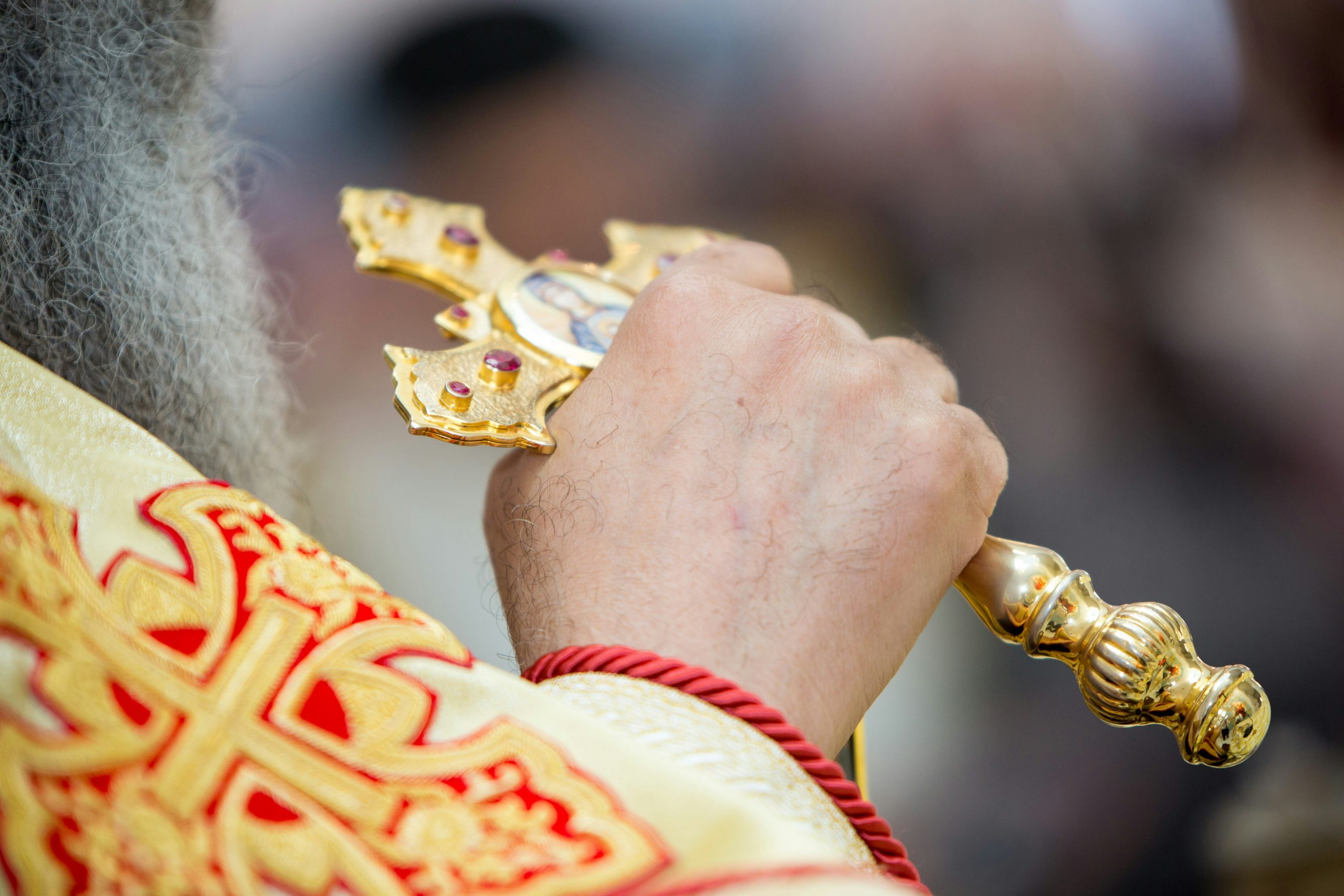
The impact of the conflict extends beyond the immediate humanitarian crisis, raising profound concerns about the potential destruction of irreplaceable cultural and religious landmarks. Tyre is a UNESCO World Heritage site, and Christians have maintained a continuous presence there since antiquity. Local religious leaders, including the Greek Orthodox Archbishop of Tyre, Sidon and Dependencies, Elias Kfoury, have described the scale of the destruction as unprecedented.
“This is the hardest round,” Kfoury told Reuters. “It has spared neither people nor stone nor places of worship nor antiquities.”
Archbishop Kfoury estimates that military strikes across southern Lebanon have already caused more than $100 million in structural damage to places of worship. Many residents feel the very memory of their community is being targeted. The prospect of losing homes that hold centuries of history, including ancient churches and nearby archaeological sites linked to biblical narratives, has left families in despair.
Broader Humanitarian Toll
The situation in Tyre contributes to a wider humanitarian emergency across Lebanon, where more than 3,600 people have been killed since the conflict began in March. Officials report that over one million people, roughly one-fifth of the total population, have been displaced. Despite the U.S.-brokered truce announced in mid-April, authorities in Lebanon state that nearly 3,500 strikes have been carried out by Israel since that time.
For families like that of Darine Al Jouny Safadi, the reality of the ongoing war is increasingly difficult to process. Having returned to their homes in the Christian quarter with the belief that the worst of the fighting was over, their second departure from the city has left them questioning if a return will ever be possible. The uncertainty surrounding the future of their heritage and their ability to inhabit their ancestral lands remains a central point of anxiety for the thousands who have left.