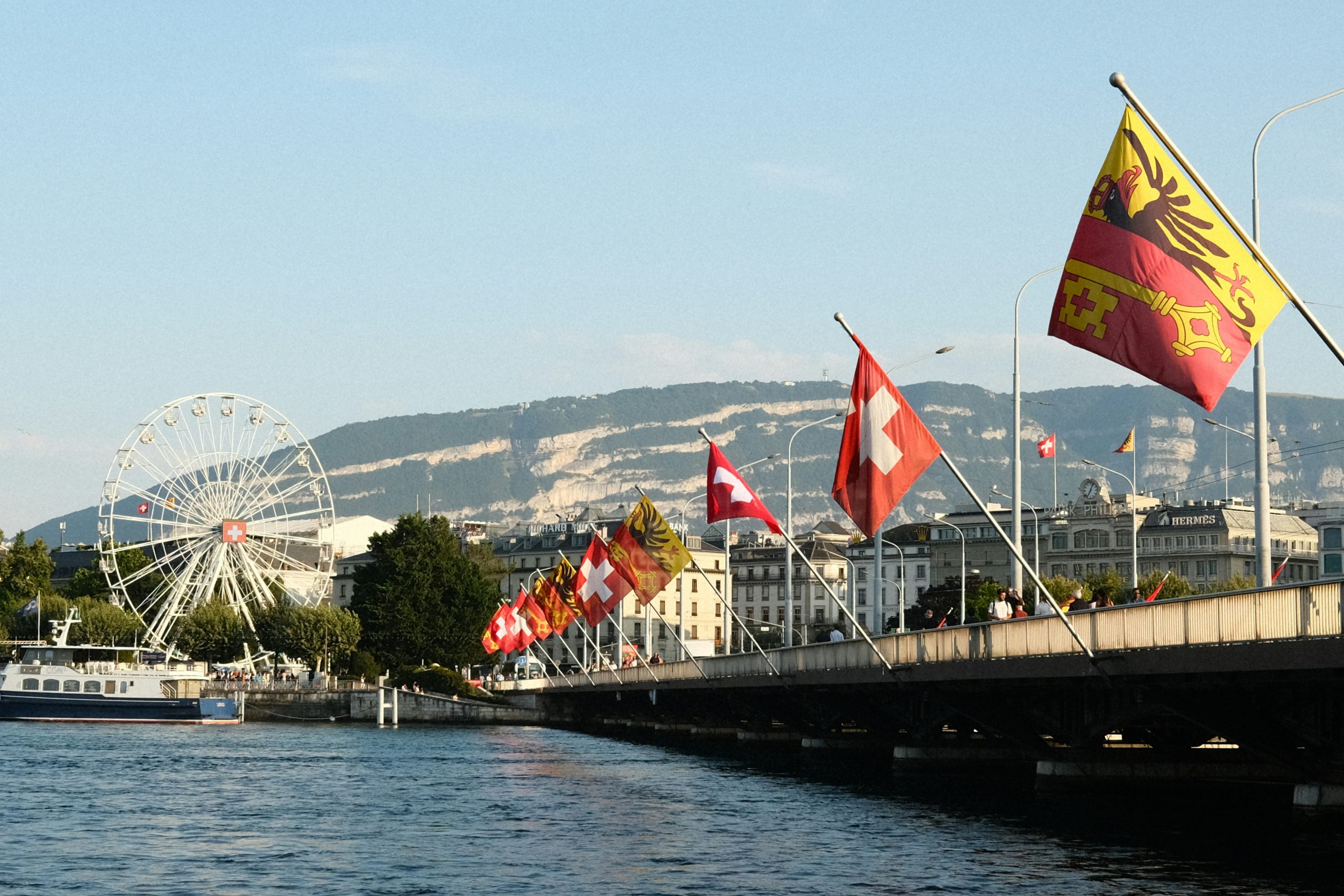
GENEVA, June 12 (Parliament Politics Magazine) – A U.S.-Iran peace memorandum to end the ongoing conflict in the Gulf could be signed as early as Sunday, according to a Western source who spoke to Reuters on Friday. Geneva has emerged as the most likely location for the signing ceremony, which officials hope to finalize by Saturday to accommodate the schedules of U.S. Vice President JD Vance and Iran’s Parliament Speaker Mohammed Baqer Qalibaf.
The draft of the U.S.-Iran peace memorandum remains subject to ongoing negotiations, particularly regarding the inclusion of terms that would force a cessation of hostilities in Lebanon. Iran has maintained a firm stance that any agreement must encompass the conflict in Lebanon, where Israeli forces have engaged in combat with the Iran-backed Hezbollah militia.
Diplomatic Progress and Hurdles
The potential agreement follows recent comments from President Donald Trump, who suggested on Thursday that a significant settlement had been reached. While the U.S.-Iran peace memorandum is expected to facilitate the reopening of the Strait of Hormuz a vital maritime passage closed by Tehran in February the specific concessions from the Iranian side remain unclear.
A senior Iranian source indicated that the draft includes the waiving of sanctions on Iran’s oil sector and the unfreezing of billions of dollars in assets. Furthermore, the Iranian state-affiliated Mehr news agency reported that the terms might include a U.S. commitment to withdraw forces from areas surrounding Iran and provide a plan for economic reconstruction. Specifically, the report mentioned that the United States and its allies should present plans for rebuilding the Iranian economy worth at least $300 billion.
Market Reactions and Political Shifts
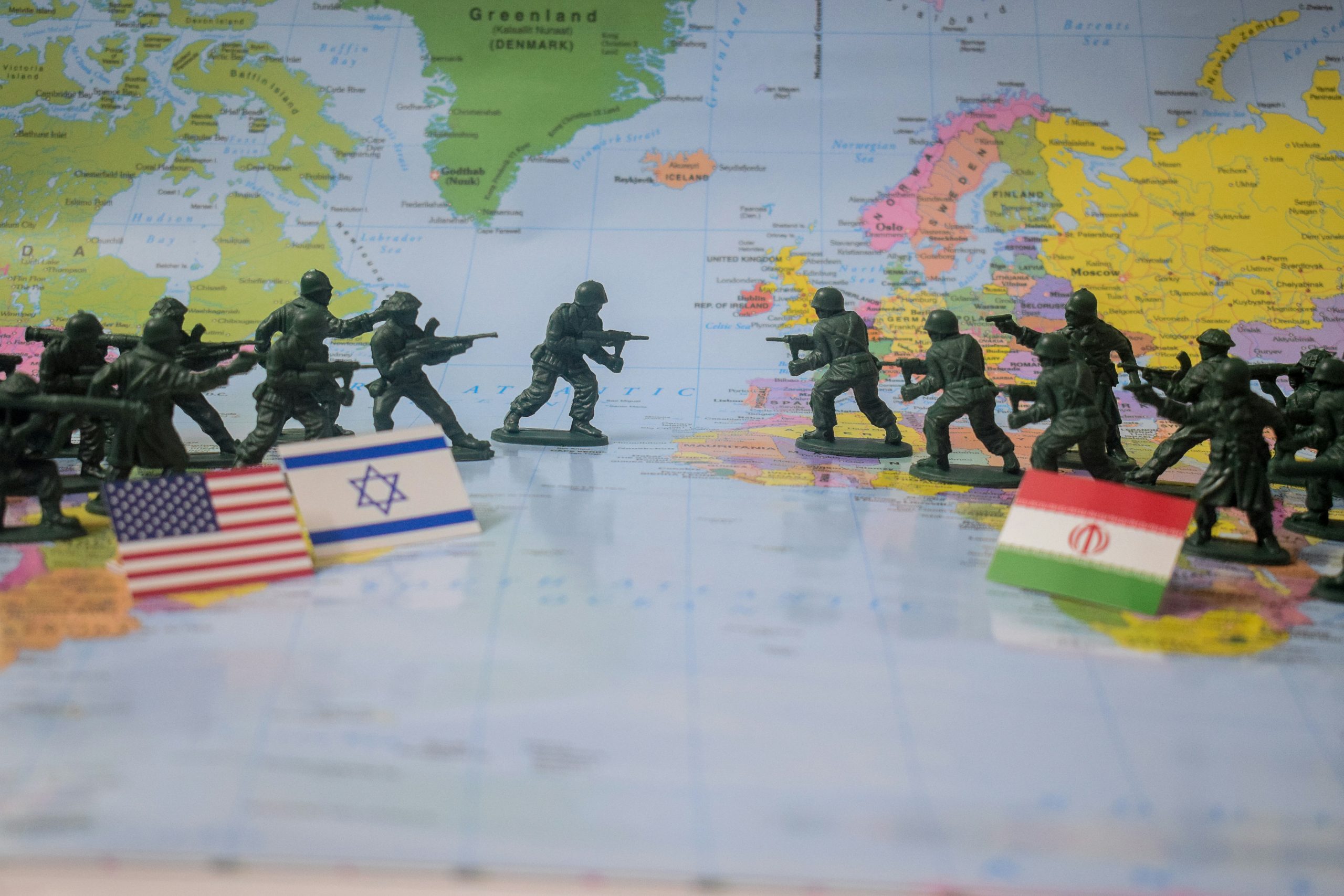
Global financial markets responded positively to the announcement, with shares rallying and oil prices dropping more than 2% in European trading on Friday. The tension that had defined the previous week marked by direct fire between Israel and Iran and subsequent U.S. strikes appears to be cooling as stakeholders anticipate the U.S.-Iran peace memorandum.
However, the domestic political situation in the United States remains complex. The war, which began on February 28 following joint U.S. and Israeli strikes, has contributed to rising gasoline prices and declining approval ratings for the current administration. With midterm elections approaching in November, the potential signing of the U.S.-Iran peace memorandum carries significant political weight for the White House.
Complications With Regional Allies
Despite the movement toward an agreement, the inclusion of terms regarding Lebanon poses a challenge for Israel. Prime Minister Benjamin Netanyahu’s office has formally stated that Israel is not a party to any memorandum of understanding involving Iran. This discrepancy highlights the diplomatic friction between Washington and its regional partner.
Nuclear concerns are currently set to be addressed in future discussions, as both nations hold conflicting views on Iran’s nuclear program. For now, the primary objective of the U.S.-Iran peace memorandum is to stop the war in the Gulf.
“We just made a great settlement of the war with Iran,” Trump said to reporters at the White House on Thursday.
While the U.S.-Iran peace memorandum nears potential finalization, military incidents continue to occur. U.S. forces reportedly shot down two Iranian drones on Thursday after Tehran attempted to strike commercial vessels near the Strait of Hormuz. Despite these local skirmishes, the momentum toward the U.S.-Iran peace memorandum suggests a shift toward de-escalation as both nations navigate the final details of the accord.