
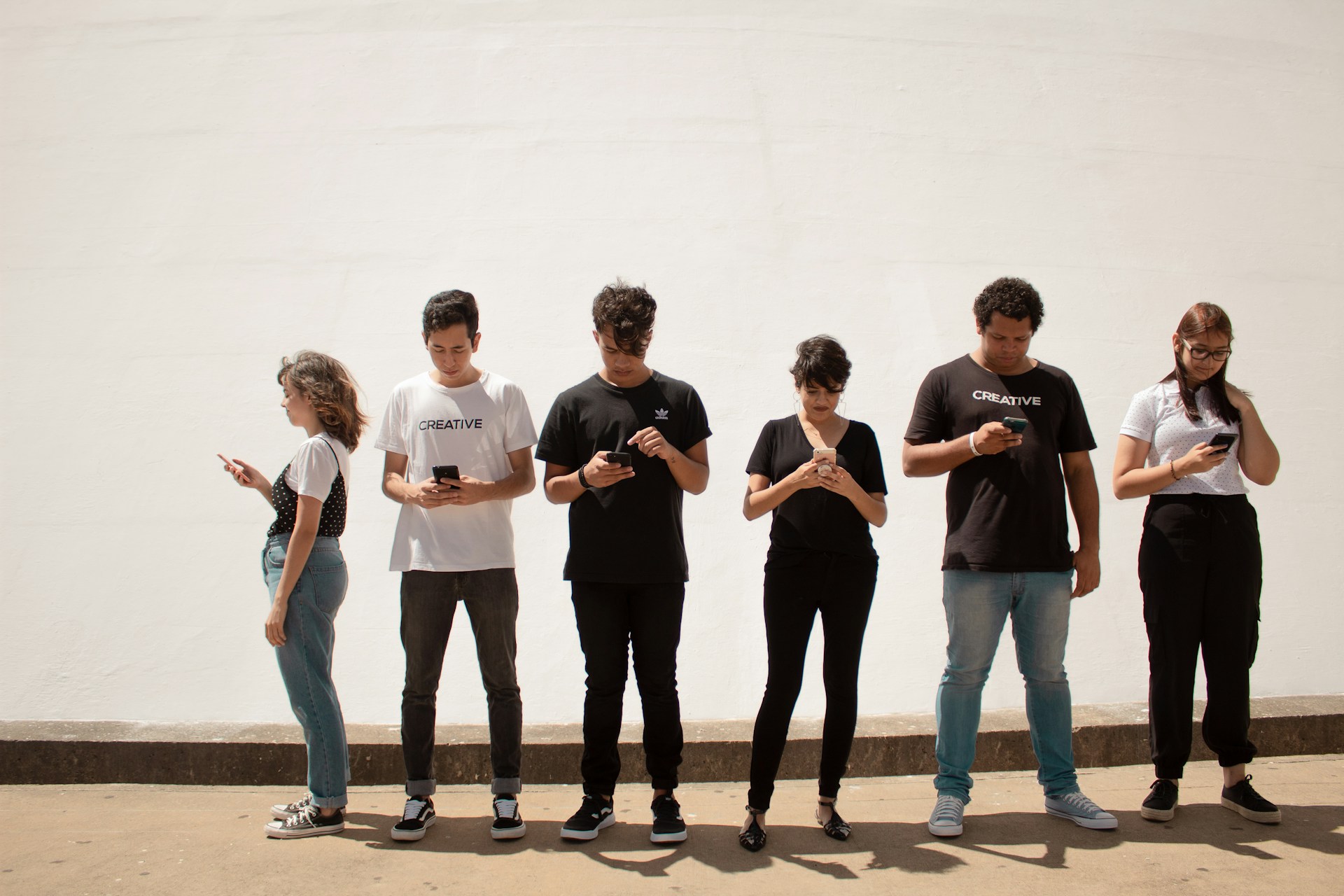
LONDON, June 13 (Parliament Politics Magazine) – A group of preteens and teenagers recently gathered to discuss the potential implementation of an under 16 social media ban. While recent data suggests that nine out of 10 parents in the UK support such a measure, the consensus among the demographic most directly affected is far more divided.
The debate comes as the government prepares to deliver the results of a consultation on children’s online safety, which may include age limits for high-risk platforms and restrictions on features like livestreaming.
Navigating Social Utility
Many young people use digital platforms for purposes extending beyond entertainment. Precisa, 13, utilizes TikTok and Instagram to market her roll-on deodorant business and to publicize the work of the local youth council. She argues that a blanket ban would create significant obstacles for her entrepreneurial efforts and community engagement. Instead of a total restriction, she advocates for better monitoring of harmful content and the implementation of screen time limits rather than preventing access entirely.
The ongoing government consultation is examining various regulatory paths, including the potential to curb features such as infinite scrolling and autoplaying videos. These mechanisms are often cited as contributors to the addictive nature of modern apps. For students who rely on these tools for communication and organization, the focus remains on finding a balance between protection and utility.
Privacy Concerns
The conversation regarding an under 16 social media ban frequently touches on the role of personalized algorithms. Zoe, 14, notes that while she currently has limited access to apps, she is concerned about the prospect of algorithms tailoring content specifically for younger users. She describes this practice as an invasion of privacy, an issue that is currently under review by regulators considering stricter age-based constraints on data-driven content feeds.
YouTube remains a significant part of the daily digital experience for many younger children, despite the site carrying an age limit of 13. While platforms like YouTube Kids exist for those under 12, many of the children interviewed expressed a lack of enthusiasm for it, describing the content as limited to random clips and cartoons. Others, like Sophia, 12, value the platform for its educational and artistic resources, noting that blocking access would result in missing out on valuable creative content.
Risks of a Sudden Digital Cliff Edge
Some participants fear that a sudden, nationwide crackdown could be counterproductive. Xander, 14, believes that while parents should take more responsibility for managing usage, a broad prohibition might lead children to find ways to circumvent the rules, as has been observed in other jurisdictions. Furthermore, there is the risk of a so-called cliff edge, where children might encounter a surge of unregulated and unsafe content once they finally gain access to social media at 16, having never learned how to navigate those environments safely.
Other students, like Kit, 12, maintain a firm stance in favor of a total ban. He highlights concerns regarding the addictive nature of these applications and the potential for negative impacts on mental health and interpersonal relationships. This divide in opinion reflects the varied experiences children have with technology, ranging from educational discovery to digital distraction.
Andrew, 13, suggests a more moderate approach by proposing strict time limits rather than a total prohibition. He suggests that restricting access to weekends only could help mitigate the potential for distraction during the school week, acknowledging that it is easy for users to get sucked into continuous engagement.
The goal for the future should be centered on digital literacy, according to industry observers. Nino Dvalidze, founder of the Young Minds App, emphasizes that the objective should not be to instill fear of technology. She states:
“The goal shouldn’t be to make children fearful of technology, but to help them use it safely and responsibly.”
Ultimately, the decisions made by policymakers will determine how the next generation interacts with the digital world. As one participant noted, the online future of these children is currently being shaped by adults, often without full consideration of the practical role these platforms play in their daily lives. Whether through government-mandated restrictions or a greater reliance on parental oversight, the search for a safe online environment remains a complex and ongoing challenge for families across the country.